


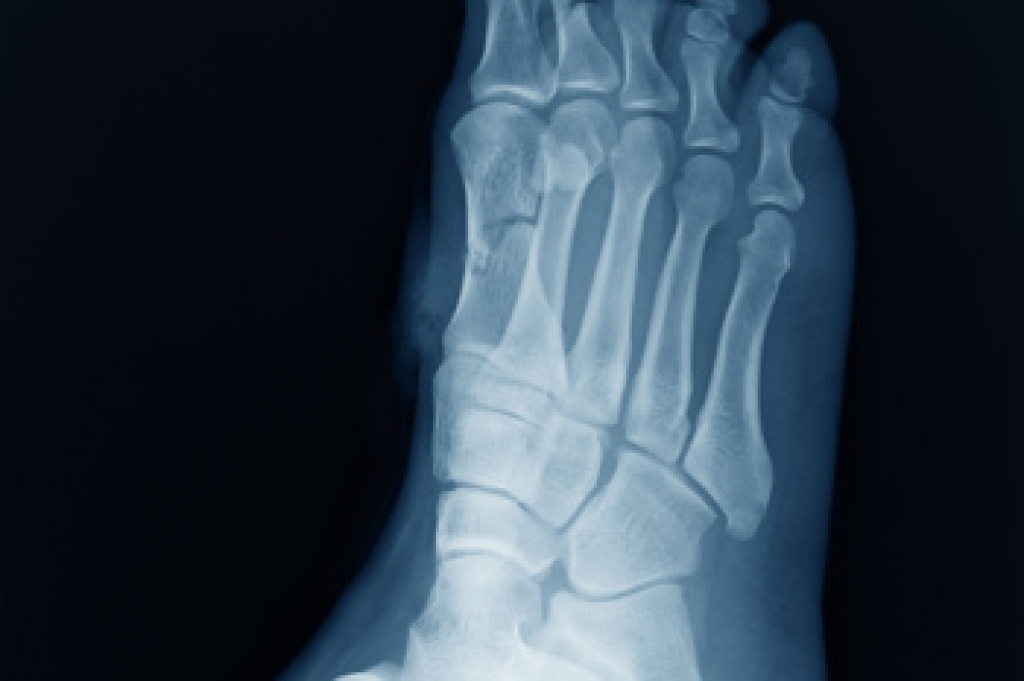
Cuboid sling surgery is a procedure used to address ongoing pain and instability along the outside of the foot, often involving the cuboid bone. This small bone plays a key role in foot balance and weight transfer during walking. When the cuboid shifts or becomes unstable due to injury, ligament damage, or chronic strain, patients may experience sharp lateral foot pain that does not improve with conservative care. A cuboid sling procedure is designed to stabilize the bone by supporting it with surrounding soft tissue, helping restore proper alignment and reduce abnormal motion. The goal is to improve function, decrease pain, and allow the foot to move more efficiently. Recovery typically includes a period of protection followed by gradual return to activity. If outer foot pain persists despite treatment, it is suggested that you see a podiatrist to determine whether surgical correction is appropriate.
Cuboid syndrome, also known as cuboid subluxation, occurs when the joints and ligaments near the cuboid bone in the foot become torn. If you have cuboid syndrome, consult with Gary Saphire, DPM from Parkway Podiatry. Our doctor will assess your condition and provide you with quality foot and ankle treatment.
Cuboid syndrome is a common cause of lateral foot pain, which is pain on the outside of the foot. The condition may happen suddenly due to an ankle sprain, or it may develop slowly overtime from repetitive tension through the bone and surrounding structures.
Causes
The most common causes of cuboid syndrome include:
- Injury – The most common cause of this ailment is an ankle sprain.
- Repetitive Strain – Tension placed through the peroneus longus muscle from repetitive activities such as jumping and running may cause excessive traction on the bone causing it to sublux.
- Altered Foot Biomechanics – Most people suffering from cuboid subluxation have flat feet.
Symptoms
A common symptom of cuboid syndrome is pain along the outside of the foot which can be felt in the ankle and toes. This pain may create walking difficulties and may cause those with the condition to walk with a limp.
Diagnosis
Diagnosis of cuboid syndrome is often difficult, and it is often misdiagnosed. X-rays, MRIs and CT scans often fail to properly show the cuboid subluxation. Although there isn’t a specific test used to diagnose cuboid syndrome, your podiatrist will usually check if pain is felt while pressing firmly on the cuboid bone of your foot.
Treatment
Just as the range of causes varies widely, so do treatments. Some more common treatments are ice therapy, rest, exercise, taping, and orthotics.
If you have any questions, please feel free to contact our office located in Brooklyn, NY . We offer the newest diagnostic and treatment technologies for all your foot care needs.
