Like us on facebook
Follow us on twitter
review us on google

Foot Problems in Diabetic Patients

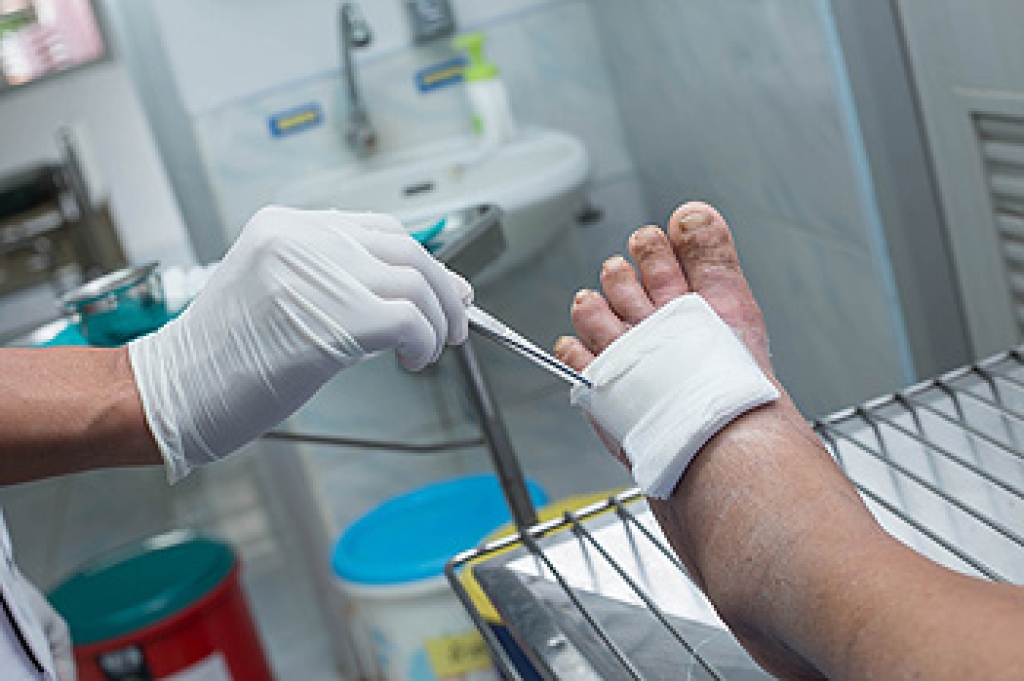
Foot problems in people with diabetes can become serious quickly because circulation and nerve sensation are often reduced. Loss of feeling may prevent pain from acting as an early warning sign, allowing small issues to progress unnoticed. Open sores, skin cracks, redness and swelling, in addition to warmth, drainage, or sudden color changes require urgent attention. A blister or callus that does not heal, blackened skin, or foul odor may indicate infection or tissue damage. Even mild swelling or temperature changes in one foot should be taken seriously to preserve long-term foot mobility. Delaying care increases the risk of deep infection and future complications. Daily foot checks and prompt reporting of changes play a critical role in prevention. If any diabetic foot changes appear suddenly or worsen despite home care, it is suggested that you promptly see a podiatrist for appropriate treatment.

Diabetic foot care is important in preventing foot ailments such as ulcers. If you are suffering from diabetes or have any other concerns about your feet, contact Gary Saphire, DPM from Parkway Podiatry. Our doctor can provide the care you need to keep you pain-free and on your feet.

Diabetic Foot Care

Diabetes affects millions of people every year. The condition can damage blood vessels in many parts of the body, especially the feet. Because of this, taking care of your feet is essential if you have diabetes, and having a podiatrist help monitor your foot health is highly recommended.

The Importance of Caring for Your Feet

  • Routinely inspect your feet for bruises or sores.
  • Wear socks that fit your feet comfortably.
  • Wear comfortable shoes that provide adequate support.

Patients with diabetes should have their doctor monitor their blood levels, as blood sugar levels play such a huge role in diabetic care. Monitoring these levels on a regular basis is highly advised.

It is always best to inform your healthcare professional of any concerns you may have regarding your feet, especially for diabetic patients. Early treatment and routine foot examinations are keys to maintaining proper health, especially because severe complications can arise if proper treatment is not applied.

If you have any questions, please feel free to contact our office located in Brooklyn, NY . We offer the newest diagnostic and treatment technologies for all your foot care needs.

Read more about How to Care for Diabetic Foot

Reminder: When Was the Last Time...?

Custom orthotics, or shoe inserts, should be periodically replaced. Orthotics must fit properly to give you the best results. Protect your feet and ankles!

When You Might Need Surgery for Plantar Fasciitis

When ongoing heel pain caused by plantar fasciitis continues to limit walking and daily activity, surgery may become a consideration. The plantar fascia is a strong band of tissue that supports the arch and absorbs stress with walking or running. When inflammation and scarring continue for six months or longer despite professional care, a podiatrist may discuss surgical release as an option. A podiatrist evaluates foot structure, gait, imaging results, and overall health to determine the need for surgery. Surgery is not a first-line approach, but it may be posed when pain interferes with daily activities and other causes of heel pain have been ruled out. A plantar fasciotomy is designed to reduce tension from the heel bone, while a plantar fasciectomy also removes damaged tissue to improve mobility. The goal is lasting pain reduction. For help dealing with plantar fasciitis pain, it is suggested that you make an appointment with a podiatrist for an exam, diagnosis, and treatment.

Plantar fasciitis can be very painful and inconvenient. If you are experiencing heel pain or symptoms of plantar fasciitis, contact Gary Saphire, DPM  from Parkway Podiatry. Our doctor can provide the care you need to keep you pain-free and on your feet.

What Is Plantar Fasciitis?

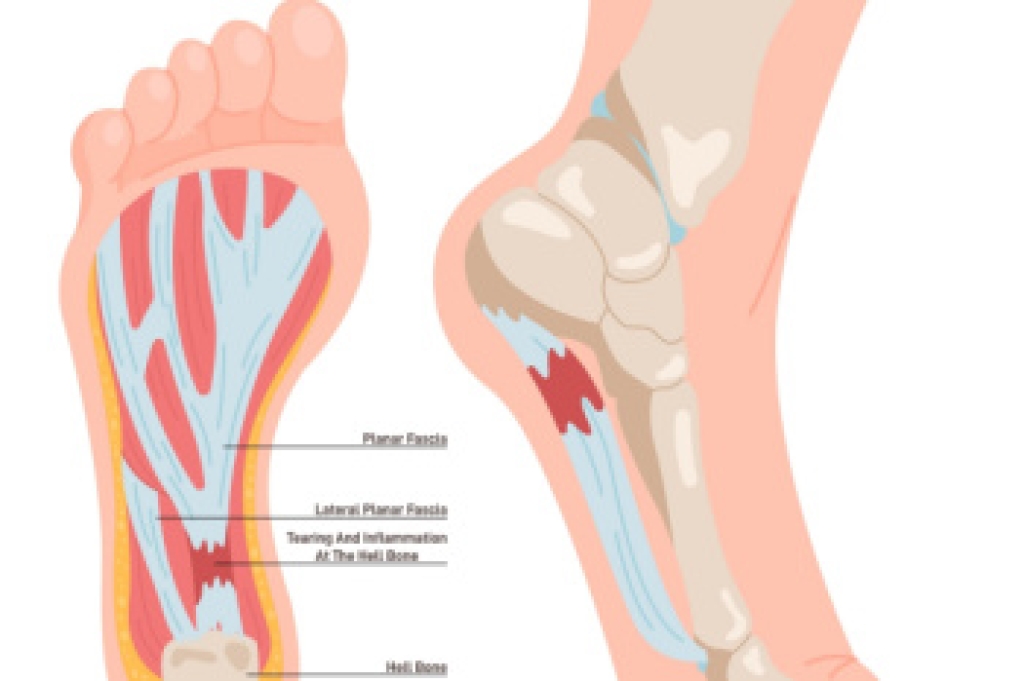
Plantar fasciitis is the inflammation of the thick band of tissue that runs along the bottom of your foot, known as the plantar fascia, and causes mild to severe heel pain.

What Causes Plantar Fasciitis?

  • Excessive running
  • Non-supportive shoes
  • Overpronation
  • Repeated stretching and tearing of the plantar fascia

How Can It Be Treated?

  • Conservative measures – anti-inflammatories, ice packs, stretching exercises, physical therapy, orthotic devices
  • Shockwave therapy – sound waves are sent to the affected area to facilitate healing and are usually used for chronic cases of plantar fasciitis
  • Surgery – usually only used as a last resort when all else fails. The plantar fascia can be surgically detached from the heel

While very treatable, plantar fasciitis is definitely not something that should be ignored. Especially in severe cases, speaking to your doctor right away is highly recommended to avoid complications and severe heel pain. Your podiatrist can work with you to provide the appropriate treatment options tailored to your condition.

If you have any questions, please feel free to contact our office located in Brooklyn, NY . We offer the newest diagnostic and treatment technologies for all your foot care needs.

Read more about Plantar Fasciitis

Defining a Potts Fracture of the Ankle

A Pott’s fracture is a type of ankle fracture that can occur after a forceful twisting injury, especially when the foot turns inward while pointing downward. This movement is common among basketball and volleyball players. While an ankle sprain may be involved, the same force can also cause a fracture around the ankle along with the ligament damage. Because the outer side of the ankle is less stable, a Potts fracture may be overlooked and mistaken for a simple sprain. Symptoms include ongoing ankle pain, swelling, bruising, and trouble putting weight on the foot. Proper evaluation is important to identify whether a fracture is present. A podiatrist can examine the ankle, order imaging, and determine the best course of care to support healing and restore stability. If you are experiencing such ankle pain, it is suggested that you make an appointment with a podiatrist for an exam, diagnosis, and treatment.

test

Read more about Broken Ankle Causes, Differences, Symptoms and Treatments

The Importance of Taking Care of Your Feet

Neglecting foot health can lead to pain, skin problems, nail concerns, and changes in walking that place strain on the ankles and lower legs. Taking care of your feet is essential because they support body weight, absorb impact, and help maintain balance with every step. Simple habits like keeping feet clean and dry, trimming toenails properly, and wearing shoes that fit well can reduce the risk of irritation, infection, and deformities. Daily attention also makes it easier to notice changes in skin color, swelling, thickened nails, or areas of pressure that may signal a developing problem. As people age or remain on their feet for long periods, flexibility and strength in the feet can decline, increasing the risk of instability and injury. A podiatrist can evaluate foot structure, identify early concerns, and recommend care or treatment to protect mobility. If you have foot discomfort or notice unusual changes, it is suggested that you make an appointment with a podiatrist for an exam and treatment.

Everyday foot care is very important to prevent infection and other foot ailments. If you need your feet checked, contact Gary Saphire, DPM from Parkway Podiatry. Our doctor can provide the care you need to keep you pain-free and on your feet.

Everyday Foot Care

Often, people take care of their bodies, face and hair more so than they do for their feet. But the feet are a very important aspect of our bodies, and one that we should pay more attention to. Without our feet, we would not be able to perform most daily tasks.

It is best to check your feet regularly to make sure there are no new bruises or cuts that you may not have noticed before. For dry feet, moisturizer can easily be a remedy and can be applied as often as necessary to the affected areas. Wearing shoes that fit well can also help you maintain good foot health, as well as making it easier to walk and do daily activities without the stress or pain of ill-fitting shoes, high heels, or even flip flops. Wearing clean socks with closed shoes is important to ensure that sweat and bacteria do not accumulate within the shoe. Clean socks help to prevent Athlete’s foot, fungi problems, bad odors, and can absorb sweat.

If you have any questions, please feel free to contact our office located in Brooklyn, NY . We offer the newest diagnostic and treatment technologies for all your foot care needs.
Read more about Every Day Foot Care

Common Causes of Pain on the Bottom of the Foot

Pain on the bottom of the foot is a frequent problem that can affect daily activities and overall mobility. One common cause is plantar fasciitis, which results from inflammation of the thick band of tissue running along the sole and often causes sharp heel pain, especially in the morning or after prolonged standing. Metatarsalgia, another cause, affects the ball of the foot and can result from overuse, wearing ill-fitting footwear, or excessive pressure during walking and running. Neuropathy, often associated with diabetes or nerve damage, can lead to tingling, burning, or numbness in the foot. A podiatrist can accurately diagnose the underlying cause, provide targeted treatments, recommend supportive footwear, and design custom orthotics to relieve pain. If you have pain or mild discomfort on the bottom of your foot, it is suggested that you consult a podiatrist who can offer effective relief and treatment solutions. 

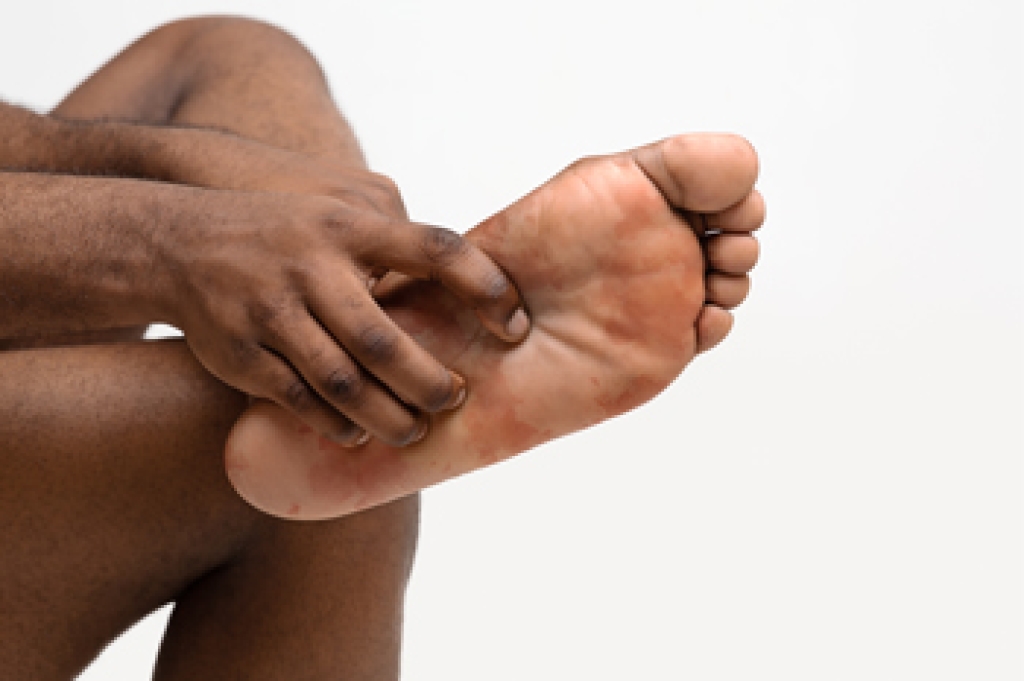
Foot Pain

Foot pain can be extremely painful and debilitating. If you have a foot pain, consult with Gary Saphire, DPM from Parkway Podiatry. Our doctor will assess your condition and provide you with quality foot and ankle treatment.

Causes

Foot pain is a very broad condition that could be caused by one or more ailments. The most common include:

  • Bunions
  • Hammertoes
  • Plantar Fasciitis
  • Bone Spurs
  • Corns
  • Tarsal Tunnel Syndrome
  • Ingrown Toenails
  • Arthritis (such as Gout, Rheumatoid, and Osteoarthritis)
  • Flat Feet
  • Injury (from stress fractures, broken toe, foot, ankle, Achilles tendon ruptures, and sprains)
  • And more

Diagnosis

To figure out the cause of foot pain, podiatrists utilize several different methods. This can range from simple visual inspections and sensation tests to X-rays and MRI scans. Prior medical history, family medical history, and any recent physical traumatic events will all be taken into consideration for a proper diagnosis.

Treatment

Treatment depends upon the cause of the foot pain. Whether it is resting, staying off the foot, or having surgery; podiatrists have a number of treatment options available for foot pain.

If you have any questions, please feel free to contact our office located in Brooklyn, NY . We offer the newest diagnostic and treatment technologies for all your foot care needs.
Read more about Foot Pain

Do You Suffer From Painful Feet?

Painful deformities, such as hammertoes, can be treated. Stop living with foot pain, and have beautiful feet again!

Effective Foot Stretches for Plantar Fasciitis Relief

Plantar fasciitis can cause significant heel pain, often resulting from inflammation of the connective tissue along the bottom of the foot. Targeted foot stretches can help relieve discomfort and improve flexibility. Calf stretches and step stretches lengthen tight muscles and tendons, reducing strain on the heel. Doming exercises strengthen the arch, while toe spread and squeeze movements improve overall foot stability and control. Performing these stretches consistently can support healing and prevent further injury. A podiatrist can provide a thorough evaluation, recommend the most effective exercises, and offer additional treatments such as custom orthotics and supportive footwear advice to enhance recovery. If you have plantar fasciitis, it is suggested that you consult a podiatrist who can offer additional remedies and stretching techniques for relief.

Stretching the feet is a great way to prevent injuries. If you have any concerns with your feet consult with Gary Saphire, DPM from Parkway Podiatry. Our doctor will assess your condition and provide you with quality foot and ankle treatment.

Stretching the Feet

Being the backbone of the body, the feet carry your entire weight and can easily become overexerted, causing cramps and pain. As with any body part, stretching your feet can serve many benefits. From increasing flexibility to even providing some pain relief, be sure to give your feet a stretch from time to time. This is especially important for athletes or anyone performing aerobic exercises, but anyone experiencing foot pain or is on their feet constantly should also engage in this practice.

Great ways to stretch your feet:

  • Crossing one leg over the others and carefully pull your toes back. Do 10-20 repetitions and repeat the process for each foot
  • Face a wall with your arms out and hands flat against the wall. Step back with one foot and keep it flat on the floor while moving the other leg forward. Lean towards the wall until you feel a stretch. Hold for 30 seconds and perform 10 repetitions for each foot
  • Be sure not to overextend or push your limbs too hard or you could risk pulling or straining your muscle

Individuals who tend to their feet by regular stretching every day should be able to minimize foot pain and prevent new problems from arising.

If you have any questions please contact our office located in Brooklyn, NY . We offer the newest diagnostic and treatment technologies for all your foot and ankle needs.

Read more about Stretching Your Feet

Reasons You Might Have Heel Pain

Heel pain can develop for many reasons, and identifying the source of the discomfort often helps guide care. Plantar fasciitis typically causes sharp pain on the bottom of the heel when stepping out of bed, while Achilles tendonitis leads to tightening or burning at the back of the heel. Bursitis can create a deep ache where soft tissue becomes irritated near the heel bone, and a heel spur may cause sharp pain during weight-bearing. Stress fractures of the heel bone cause swelling and tenderness that worsen with activity, and fat pad atrophy leads to a bruised feeling under the heel. Children may experience Sever’s disease, which causes pain at the back of the heel during running and jumping. A podiatrist can identify the reason for the pain, decide whether imaging or surgery is needed, and offer treatment like orthotics, when appropriate. If you have persistent or unexplained heel pain, it is suggested that you schedule an appointment with a podiatrist for a diagnosis and options for treatment.

Many people suffer from bouts of heel pain. For more information, contact Gary Saphire, DPM of Parkway Podiatry. Our doctor can provide the care you need to keep you pain-free and on your feet.

Causes of Heel Pain

Heel pain is often associated with plantar fasciitis. The plantar fascia is a band of tissues that extends along the bottom of the foot. A rip or tear in this ligament can cause inflammation of the tissue.

Achilles tendonitis is another cause of heel pain. Inflammation of the Achilles tendon will cause pain from fractures and muscle tearing. Lack of flexibility is also another symptom.

Heel spurs are another cause of pain. When the tissues of the plantar fascia undergo a great deal of stress, it can lead to ligament separation from the heel bone, causing heel spurs.

Why Might Heel Pain Occur?

  • Wearing ill-fitting shoes                
  • Wearing non-supportive shoes
  • Weight change           
  • Excessive running

Treatments

Heel pain should be treated as soon as possible for immediate results. Keeping your feet in a stress-free environment will help. If you suffer from Achilles tendonitis or plantar fasciitis, applying ice will reduce the swelling. Stretching before an exercise like running will help the muscles. Using all these tips will help make heel pain a condition of the past.

If you have any questions, please feel free to contact our office located in Brooklyn, NY . We offer the newest diagnostic and treatment technologies for all your foot care needs.

Read more about Heel Pain

The Importance of Standing During the Work Day

A sedentary lifestyle may be linked to numerous health issues, including diabetes and high blood pressure.  For these individuals, it may be necessary to increase the amount of time standing during the day. This may be helpful in easing potential back problems as well as improving posture and strength.  There are many ways to incorporate standing throughout the work day, such as portioning your lunch time to include walking.  Meetings that consist of walking instead of sitting around a table may be beneficial as well. Standing desks may be another option, which can help increase alertness and therefore increase productivity.  Another helpful habit to acquire is using the stairs instead of an elevator, in addition to parking your car further away from the building you are entering to promote walking. If you are experiencing foot problems from sitting all day at work, it is suggested that you make an appointment with a podiatrist.

While working on the feet, it is important to take the proper care of them. For more information about working on your feet, contact Gary Saphire, DPM from Parkway Podiatry. Our doctor will treat your foot and ankle needs.

Working on Your Feet

Standing on your feet for long periods of time can cause stress and pain in your feet. Your whole body may experience change in terms of posture, back pain, bunions, callouses and or plantar warts. There are ways to avoid these conditions with proper foot care, smart choices and correct posture.

Positive Changes

Negative heeled shoe – Choosing this shoe type places the heel slightly lower than the ball of the foot. These are great for overall foot health. Find shoes that fit you correctly.

Go barefoot – Our feet were not designed to be enclosed for all hours of the day. Try to periodically expose your feet to air.

Eliminate Pain

Foot Exercises – Performing simple exercises, incorporating yoga and doing stretches are beneficial. This will allow increased blood flow to the area and muscles of the foot.

Achilles tendon – Stretching the foot out flat on the floor will relax the calf muscles and tendon. These exercises can be performed almost anywhere. Make sure you add these exercises to your daily regimen. 

With a little bit of this information and knowing more about foot health, you will notice changes. Foot stretches and proper footwear will help with pain and prevent further issues.

If you have any questions please contact our office located in Brooklyn, NY . We offer the newest diagnostic and treatment technologies for all your foot and ankle needs.

Read more about Working on Your Feet
scroll to top