Like us on facebook
Follow us on twitter
review us on google

Diagnosing Peripheral Artery Disease

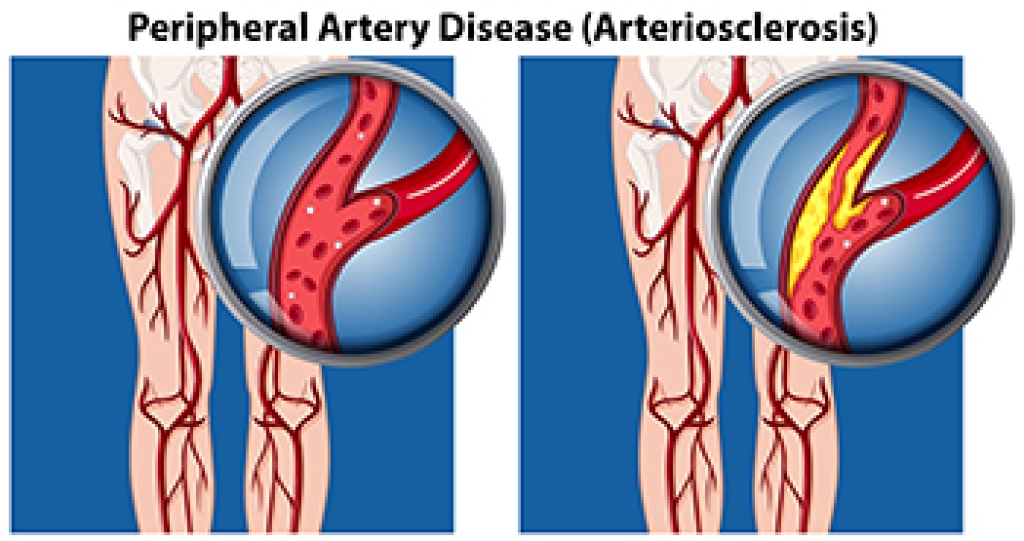
Peripheral artery disease, or PAD, occurs when blood flow to the feet is restricted due to narrowed arteries. Reduced circulation often causes discomfort while walking, foot fatigue, or slow-healing sores on the toes or heels. A podiatrist can perform diagnostic tests, such as the ankle-brachial index, which compares blood pressure in the ankle to that in the arm to detect an arterial blockage. Additional imaging, like a Doppler ultrasound, can evaluate the severity of reduced blood flow in the foot and ankle. Without proper treatment, PAD can lead to tissue damage or, in severe cases, limb loss. Early diagnosis is vital to prevent these serious complications and preserve mobility. If you have symptoms of peripheral artery disease, it is suggested that you schedule an appointment with a podiatrist for a diagnosis and appropriate treatment options.

Peripheral artery disease can pose a serious risk to your health. It can increase the risk of stroke and heart attack. If you have symptoms of peripheral artery disease, consult with Gary Saphire, DPM from Parkway Podiatry. Our doctor will assess your condition and provide you with quality foot and ankle treatment.

Peripheral artery disease (PAD) is when arteries are constricted due to plaque (fatty deposits) build-up. This results in less blood flow to the legs and other extremities. The main cause of PAD is atherosclerosis, in which plaque builds up in the arteries.

Symptoms

Symptoms of PAD include:

  • Claudication (leg pain from walking)
  • Numbness in legs
  • Decrease in growth of leg hair and toenails
  • Paleness of the skin
  • Erectile dysfunction
  • Sores and wounds on legs and feet that won’t heal
  • Coldness in one leg

It is important to note that a majority of individuals never show any symptoms of PAD.

Diagnosis

While PAD occurs in the legs and arteries, Podiatrists can diagnose PAD. Podiatrists utilize a test called an ankle-brachial index (ABI). An ABI test compares blood pressure in your arm to you ankle to see if any abnormality occurs. Ultrasound and imaging devices may also be used.

Treatment

Fortunately, lifestyle changes such as maintaining a healthy diet, exercising, managing cholesterol and blood sugar levels, and quitting smoking, can all treat PAD. Medications that prevent clots from occurring can be prescribed. Finally, in some cases, surgery may be recommended.

If you have any questions, please feel free to contact our office located in Brooklyn, NY . We offer the newest diagnostic and treatment technologies for all your foot care needs.

Read more about Peripheral Artery Disease

Why a Toenail Falls Off

A toenail can fall off for a variety of reasons, most commonly from an injury or repetitive trauma to the toe. Stubbing the toe, dropping something heavy on it, or wearing shoes that create excessive pressure can cause blood to collect under the nail, which can lead to detachment. Fungal infections are another frequent cause of toenail loss, as they weaken the nail. The infection leads to changes in thickness, shape, and color before separation occurs. Skin conditions like psoriasis or eczema may also affect the nail matrix, the area where new nail tissue forms, and result in toenail loss. Before a toenail falls off, people often notice loosening at the tip, discoloration, or pain surrounding the nail bed. A podiatrist can examine the foot, determine the cause, and provide treatment to protect nail regrowth and relieve pain. If your toenail is loose or falling off, it is suggested that you schedule an appointment with a podiatrist for an exam and appropriate treatment.

Toe pain can disrupt your daily activities. If you have any concerns, contact Gary Saphire, DPM of Parkway Podiatry. Our doctor can provide the care you need to keep you pain-free and on your feet.

What Causes Toe Pain?

Most severe toe pain is caused due to a sports injury, trauma from dropping something heavy on the toe, or bumping into something rigid. Other problems can develop over time for various reasons.

Toe pain can be caused by one or more ailments. The most common include:

  • Trauma
  • Sports injury
  • Wearing shoes that are too tight
  • Arthritis
  • Gout
  • Corns and calluses
  • Hammertoe
  • Bunions
  • Blisters
  • Ingrown toenails
  • Sprains
  • Fractures (broken bones)
  • Dislocations

When to See a Podiatrist

  • Severe pain
  • Persistent pain that lasts more than a week
  • Signs of infection
  • Continued swelling
  • Pain that prevents walking

Diagnosis

In many cases the cause of toe pain is obvious, but in others, a podiatrist may want to use more advanced methods to determine the problem. These can range from simple visual inspections and sensation tests to X-rays and MRI scans. Prior medical history, family medical history, and any recent physical traumatic events will all be taken into consideration for a proper diagnosis.

Treatment

Treatments for toe pain and injuries vary and may include shoe inserts, padding, taping, medicines, injections, and in some cases, surgery. If you believe that you have broken a toe, please see a podiatrist as soon as possible.

If you have any questions please contact our office located in Brooklyn, NY . We offer the newest diagnostic and treatment technologies for all your foot and ankle needs.

Read more about Toe Pain

Strong Steps Start With Stable Feet

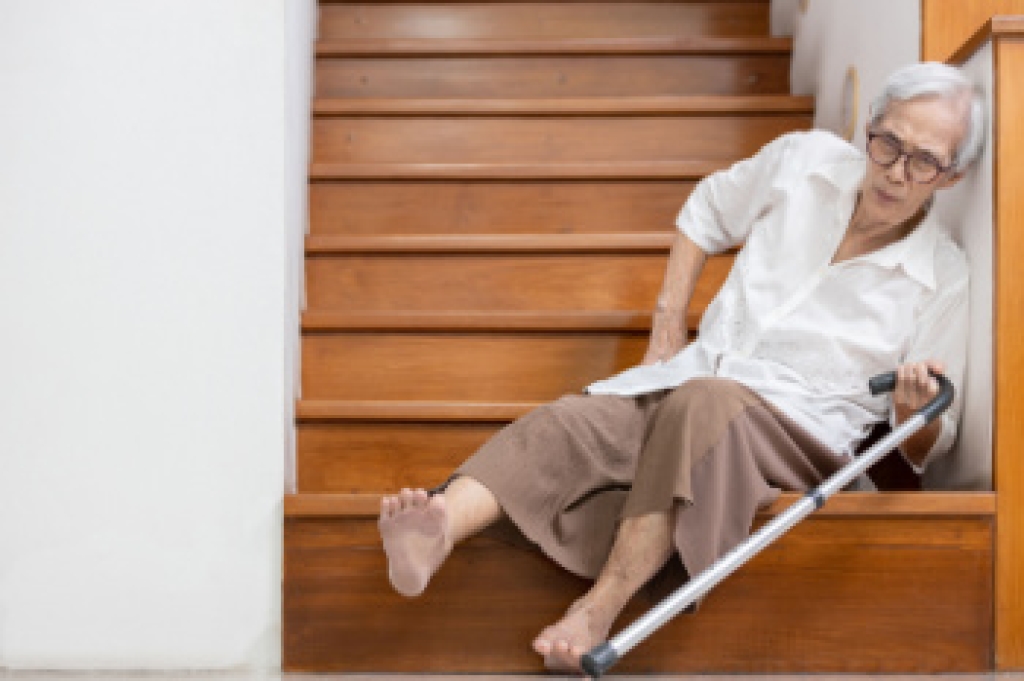
Many falls in older adults begin at ground level, with the feet and ankles. Changes in balance, muscle strength, or sensation can make it harder to react quickly when a surface is uneven or slippery. Foot pain, poorly fitting shoes, or conditions like arthritis and neuropathy add to the risk. A single fall can lead to serious injuries such as ankle fractures or chronic joint pain, often reducing confidence and independence. Preventing falls starts with healthy feet. Regular podiatric checkups, wearing supportive footwear, and attention to any changes in gait can make a significant difference in safety and mobility. If you notice unsteadiness, foot pain, or frequent tripping, it is suggested that you schedule an appointment with a podiatrist to address these issues before they lead to a fall or injury.

Preventing falls among the elderly is very important. If you are older and have fallen or fear that you are prone to falling, consult with Gary Saphire, DPM from Parkway Podiatry. Our doctor will assess your condition and provide you with quality advice and care.

Every 11 seconds, an elderly American is being treated in an emergency room for a fall related injury. Falls are the leading cause of head and hip injuries for those 65 and older. Due to decreases in strength, balance, senses, and lack of awareness, elderly persons are very susceptible to falling. Thankfully, there are a number of things older persons can do to prevent falls.

How to Prevent Falls

Some effective methods that older persons can do to prevent falls include:

  • Enrolling in strength and balance exercise program to increase balance and strength
  • Periodically having your sight and hearing checked
  • Discuss any medications you have with a doctor to see if it increases the risk of falling
  • Clearing the house of falling hazards and installing devices like grab bars and railings
  • Utilizing a walker or cane
  • Wearing shoes that provide good support and cushioning
  • Talking to family members about falling and increasing awareness

Falling can be a traumatic and embarrassing experience for elderly persons; this can make them less willing to leave the house, and less willing to talk to someone about their fears of falling. Doing such things, however, will increase the likelihood of tripping or losing one’s balance. Knowing the causes of falling and how to prevent them is the best way to mitigate the risk of serious injury.  

If you have any questions, please feel free to contact our office located in Brooklyn, NY . We offer the newest diagnostic and treatment technologies for all your foot care needs.
Read more about Falls Prevention

Preventing Painful Blisters Caused by Wearing High Heels

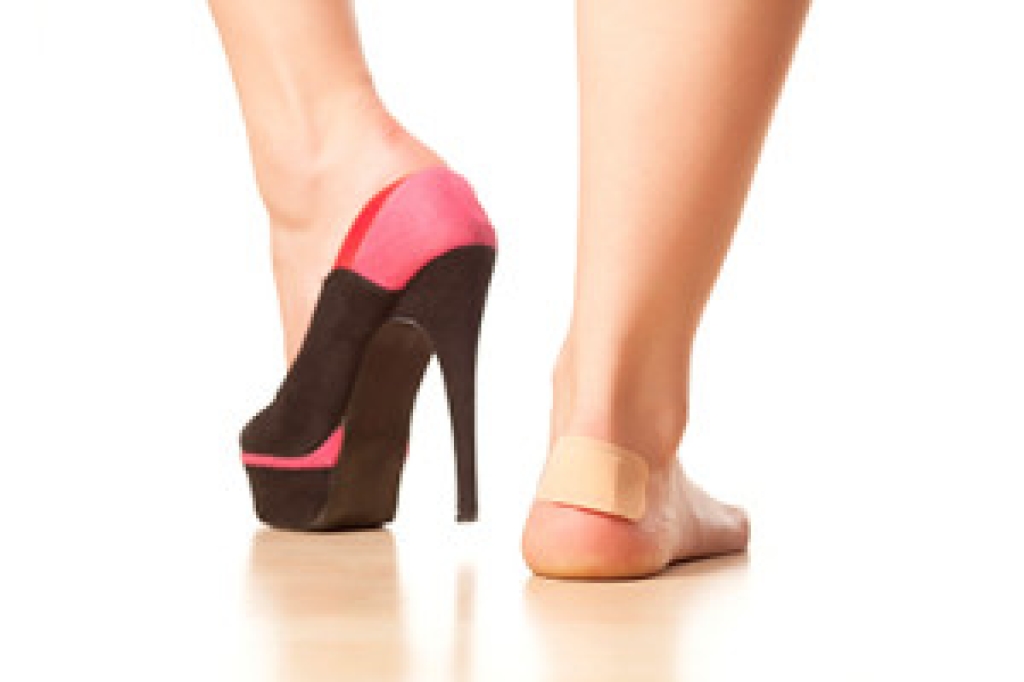
Wearing high heels often leads to blisters due to friction, pressure, and lack of cushioning. Wearing tight or poorly fitted shoes can rub against the skin, creating irritation and fluid-filled pockets that cause discomfort. High heels also force the foot into unnatural positions, increasing strain on certain areas. To prevent blisters, consider buying heels a size larger for extra space, choosing wedges for better balance, and alternating shoes to reduce pressure points. Moisture-wicking socks or hosiery and protective pads can also help. A podiatrist can safely treat existing blisters, recommend proper footwear, and offer advice to prevent future irritation. If you have blisters from wearing high heels, it is suggested that you consult a podiatrist who can treat various foot conditions, and guide you on better high heel options.

Blisters may appear as a single bubble or in a cluster. They can cause a lot of pain and may be filled with pus, blood, or watery serum. If your feet are hurting, contact Gary Saphire, DPM of Parkway Podiatry. Our doctor can provide the care you need to keep you pain-free and on your feet.

Foot Blisters

Foot blisters are often the result of friction. This happens due to the constant rubbing from shoes, which can lead to pain.

What Are Foot Blisters?

A foot blister is a small fluid-filled pocket that forms on the upper-most layer of the skin. Blisters are filled with clear fluid and can lead to blood drainage or pus if the area becomes infected.

Symptoms

(Blister symptoms may vary depending on what is causing them)

  • Bubble of skin filled with fluid
  • Redness
  • Moderate to severe pain
  • Itching

Prevention & Treatment

In order to prevent blisters, you should be sure to wear comfortable shoes with socks that cushion your feet and absorb sweat. Breaking a blister open may increase your chances of developing an infection. However, if your blister breaks, you should wash the area with soap and water immediately and then apply a bandage to the affected area. If your blisters cause severe pain it is important that you call your podiatrist right away.

If you have any questions, please feel free to contact our office located in Brooklyn, NY . We offer the newest diagnostic and treatment technologies for all your foot care needs.
Read more about Blisters on the Feet

Foot Exercises to Relieve Plantar Fasciitis Pain

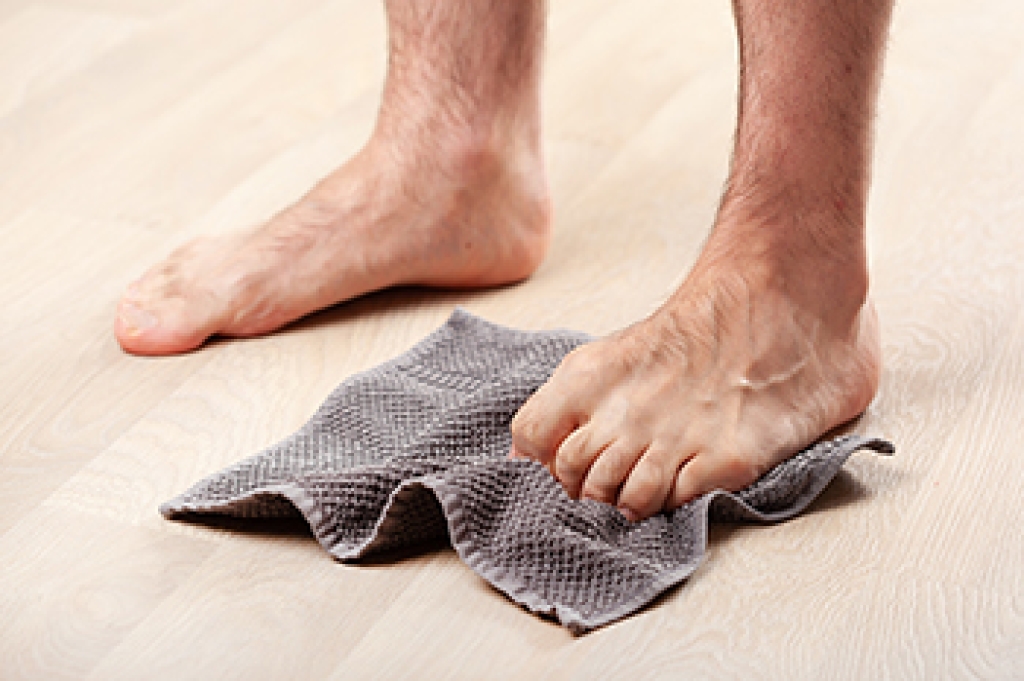
Plantar fasciitis is inflammation of the thick band of tissue that supports the arch of the foot, often causing heel pain. Gentle stretching and strengthening exercises can reduce discomfort and promote healing. A calf stretch is done by standing facing a wall, placing one foot behind the other, and leaning forward to stretch the back calf. A calf stretch on a step involves lowering your heels off the edge of a step to lengthen the calf muscles. Additionally, the towel scrunch strengthens the arch by pulling a towel toward you with your toes, and marble pick-ups train foot control by lifting marbles with your toes. Plantar fasciitis can be painful, and may cause difficulty in completing daily tasks. If you have heel pain,, it is suggested that you consult a podiatrist who can diagnose the problem and offer you relief and treatment solutions, which may include targeted exercises.

Exercising your feet regularly with the proper foot wear is a great way to prevent injuries and build strength. If you have any concerns about your feet, contact Gary Saphire, DPM from Parkway Podiatry. Our doctor can provide the care you need to keep you pain-free and on your feet.

Exercise for Your Feet

Exercise for your feet can help you gain strength, mobility and flexibility in your feet. They say that strengthening your feet can be just as rewarding as strengthening another part of the body. Your feet are very important, and we often forget about them in our daily tasks. But it is because of our feet that are we able to get going and do what we need to. For those of us fortunate enough to not have any foot problems, it is an important gesture to take care of them to ensure good health in the long run.

Some foot health exercises can include ankle pumps, tip-toeing, toe rises, lifting off the floor doing reps and sets, and flexing the toes. It is best to speak with Our doctor to determine an appropriate regimen for your needs. Everyone’s needs and bodies are different, and the activities required to maintain strength in the feet vary from individual to individual. 

Once you get into a routine of doing regular exercise, you may notice a difference in your feet and how strong they may become.

If you have any questions, please feel free to contact our office located in Brooklyn, NY . We offer the newest diagnostic and treatment technologies for all your foot care needs.
Read more about Exercise for Your Feet

Gout Pain Can Be Managed

Gout is a painful, inflammatory form of arthritis. Those affected will typically feel an intense stiffness in the joints of their feet, particularly in the big toe. Schedule a visit to learn about how gout can be managed and treated.

When Toenails Cause More Than Cosmetic Concerns

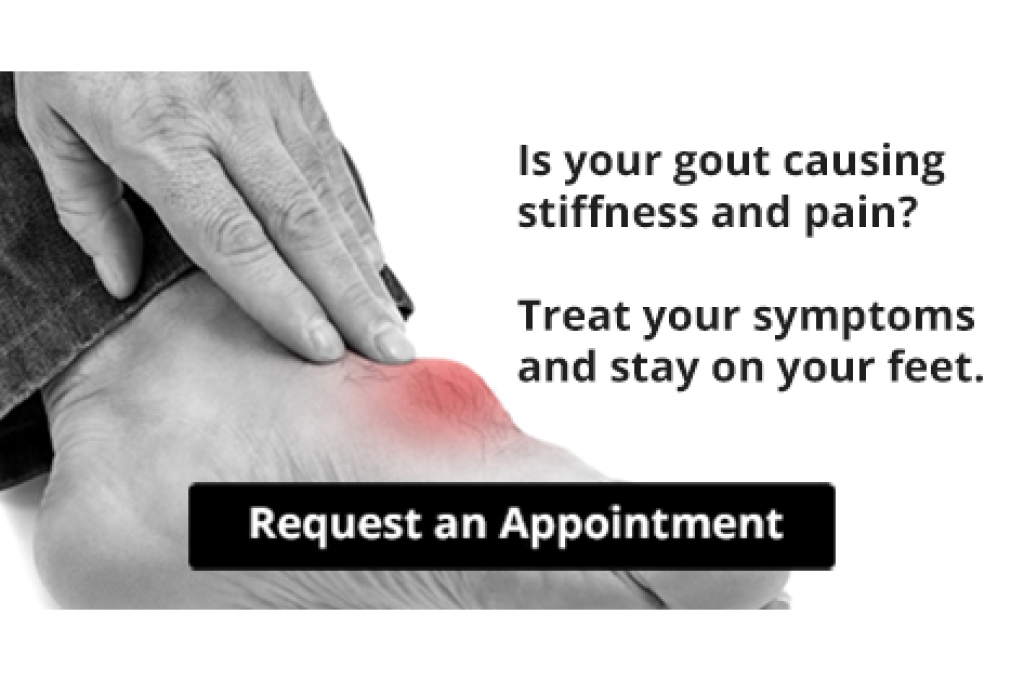
Ingrown toenails and toenail fungus are common foot issues that can lead to pain and infection if not properly treated. Ingrown toenails occur when the nail grows into the surrounding skin, often due to improper trimming, tight footwear, or injury. Symptoms include redness, swelling, tenderness, and sometimes drainage or infection. Toenail fungus, or onychomycosis, is caused by fungal organisms that thrive in warm, moist environments. It often appears as thickened, discolored, brittle, or distorted nails that may emit an unpleasant odor. Both conditions can be uncomfortable and unsightly. A podiatrist can accurately diagnose the problem through physical examination and, in the case of fungal infections, lab testing. Treatment options for ingrown nails may include trimming, lifting the nail edge, or partial nail removal. For toenail fungus, treatments can include topical or oral antifungal medications or nail debridement. To prevent worsening symptoms or complications, it is suggested that you make an appointment with a podiatrist.

Ingrown toenails can become painful if they are not treated properly. For more information about ingrown toenails, contact Gary Saphire, DPM of Parkway Podiatry. Our doctor can provide the care you need to keep you pain-free and on your feet.

Ingrown Toenails

Ingrown toenails occur when a toenail grows sideways into the bed of the nail, causing pain, swelling, and possibly infection.

Causes

  • Bacterial infections
  • Improper nail cutting such as cutting it too short or not straight across
  • Trauma to the toe, such as stubbing, which causes the nail to grow back irregularly
  • Ill-fitting shoes that bunch the toes too close together
  • Genetic predisposition

Prevention

Wearing proper fitting shoes and using proper cutting techniques will also help decrease your risk of developing ingrown toenails.

Treatment

Ingrown toenails are a very treatable foot condition. In minor cases, soaking the affected area in salt or antibacterial soaps will not only help with the ingrown nail itself, but also help prevent any infections from occurring. In more severe cases, surgery is an option. In either case, speaking to your podiatrist about this condition will help you get a better understanding of specific treatment options that are right for you.

If you have any questions, please feel free to contact our office located in Brooklyn, NY . We offer the newest diagnostic and treatment technologies for all your foot care needs.
Read more about Ingrown Toenails

Two Types of Broken Toes

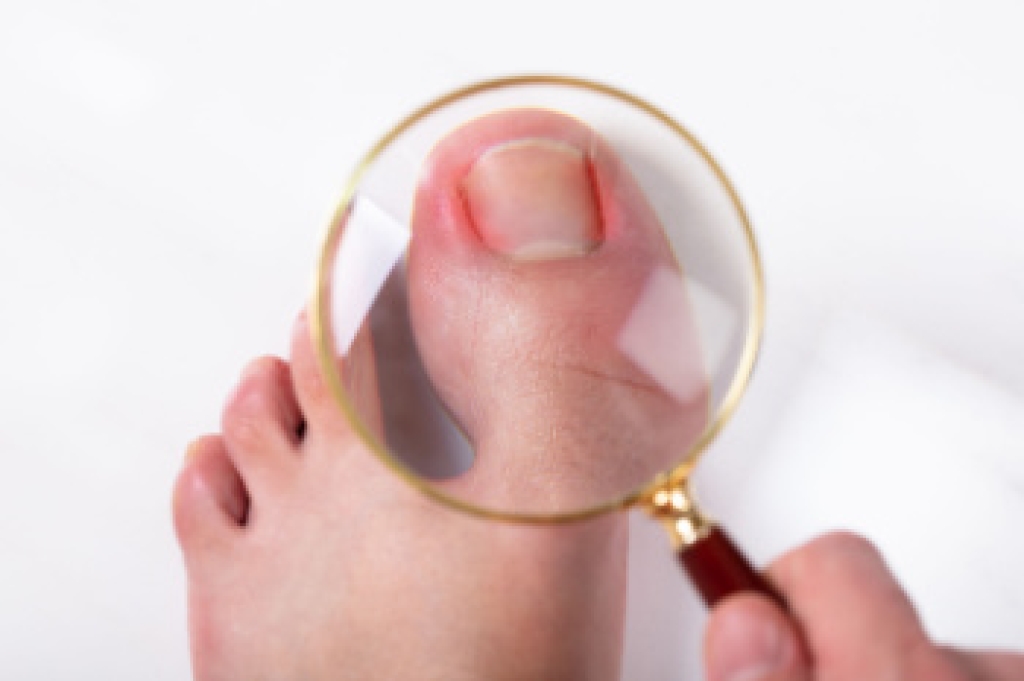
Having an X-ray performed is a common method of determining if a toe has been broken. When the toe is stubbed or if a heavy object has dropped on it, a traumatic fracture can occur. The symptoms that may accompany this type of broken toe can include consistent pain, bruising, and the affected toe may appear red. A stress fracture can develop gradually, and this generally happens as a result of repeated stress on and surrounding the bone. Runners can develop stress fractures of the toe. If this occurs, it is beneficial to refrain from this type of activity until the healing process is fully completed. An effective method for treating a broken toe is known as buddy taping. This is accomplished by taping the broken toe to the toe next to it to provide adequate stability as the healing process occurs. If you have broken your toe, please speak with a podiatrist who can effectively treat broken toes.

A broken toe can be very painful and lead to complications if not properly fixed. If you have any concerns about your feet, contact Gary Saphire, DPM from Parkway Podiatry. Our doctor will treat your foot and ankle needs.

What to Know About a Broken Toe

Although most people try to avoid foot trauma such as banging, stubbing, or dropping heavy objects on their feet, the unfortunate fact is that it is a common occurrence. Given the fact that toes are positioned in front of the feet, they typically sustain the brunt of such trauma. When trauma occurs to a toe, the result can be a painful break (fracture).

Symptoms of a Broken Toe

  • Throbbing pain
  • Swelling
  • Bruising on the skin and toenail
  • The inability to move the toe
  • Toe appears crooked or disfigured
  • Tingling or numbness in the toe

Generally, it is best to stay off of the injured toe with the affected foot elevated.

Severe toe fractures may be treated with a splint, cast, and in some cases, minor surgery. Due to its position and the pressure it endures with daily activity, future complications can occur if the big toe is not properly treated.

If you have any questions, please feel free to contact our office located in Brooklyn, NY . We offer the newest diagnostic and treatment technologies for all your foot care needs.
Read more about What to Know About a Broken Toe

Runners and Cuboid Syndrome

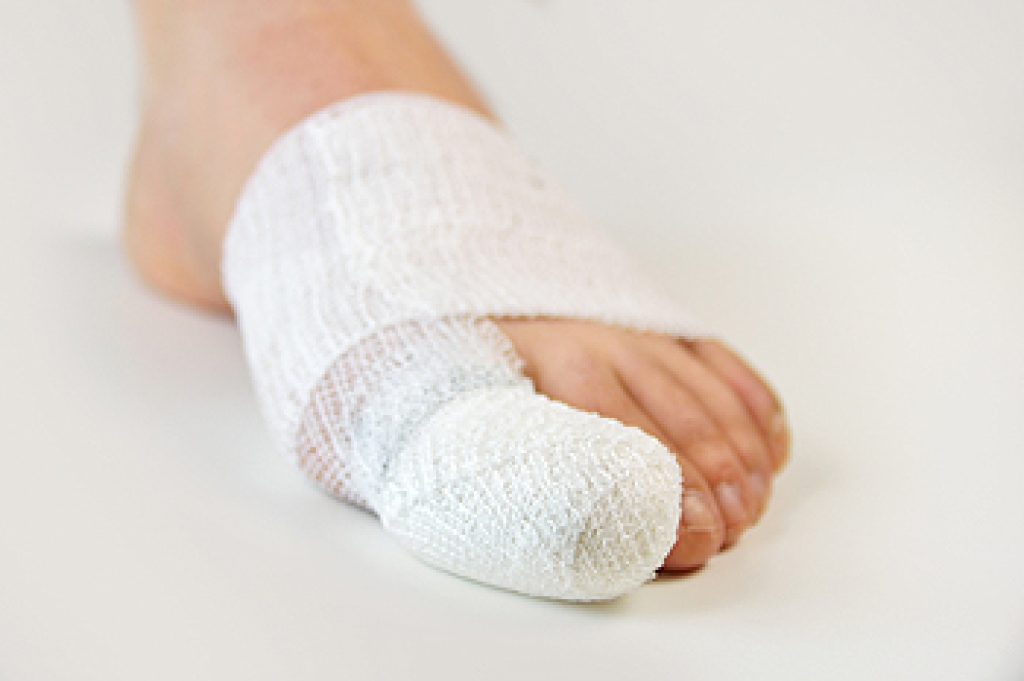
One of seven tarsal bones in the foot is referred to as the cuboid bone. It is found on the outside of the foot, has six sides, and resembles a cube. It enables the foot to maintain stability, and can be partially responsible for distributing body weight. The cuboid bone resembles a pulley, and functions with other bones in the foot. The condition that is known as cuboid syndrome commonly affects athletes and ballet dancers. These groups of people may be prone to ankle sprains, and as a result, the cuboid bone may become injured. Mild relief may be felt when the affected foot is elevated, and it may be beneficial to wrap an elastic bandage around the foot which can help to stabilize the ankle. If you have cuboid syndrome, please consult with a podiatrist who can effectively treat this ailment as quickly as possible.

Cuboid syndrome, also known as cuboid subluxation, occurs when the joints and ligaments near the cuboid bone in the foot become torn. If you have cuboid syndrome, consult with Gary Saphire, DPM from Parkway Podiatry. Our doctor will assess your condition and provide you with quality foot and ankle treatment.

Cuboid syndrome is a common cause of lateral foot pain, which is pain on the outside of the foot. The condition may happen suddenly due to an ankle sprain, or it may develop slowly overtime from repetitive tension through the bone and surrounding structures.

Causes

The most common causes of cuboid syndrome include:

  • Injury – The most common cause of this ailment is an ankle sprain.
  • Repetitive Strain – Tension placed through the peroneus longus muscle from repetitive activities such as jumping and running may cause excessive traction on the bone causing it to sublux.
  • Altered Foot Biomechanics – Most people suffering from cuboid subluxation have flat feet.

Symptoms

A common symptom of cuboid syndrome is pain along the outside of the foot which can be felt in the ankle and toes. This pain may create walking difficulties and may cause those with the condition to walk with a limp.

Diagnosis

Diagnosis of cuboid syndrome is often difficult, and it is often misdiagnosed. X-rays, MRIs and CT scans often fail to properly show the cuboid subluxation. Although there isn’t a specific test used to diagnose cuboid syndrome, your podiatrist will usually check if pain is felt while pressing firmly on the cuboid bone of your foot.

Treatment

Just as the range of causes varies widely, so do treatments. Some more common treatments are ice therapy, rest, exercise, taping, and orthotics.

If you have any questions, please feel free to contact our office located in Brooklyn, NY . We offer the newest diagnostic and treatment technologies for all your foot care needs.
Read more about Cuboid Syndrome
scroll to top