Like us on facebook
Follow us on twitter
review us on google

Types of Corns and Relief Methods

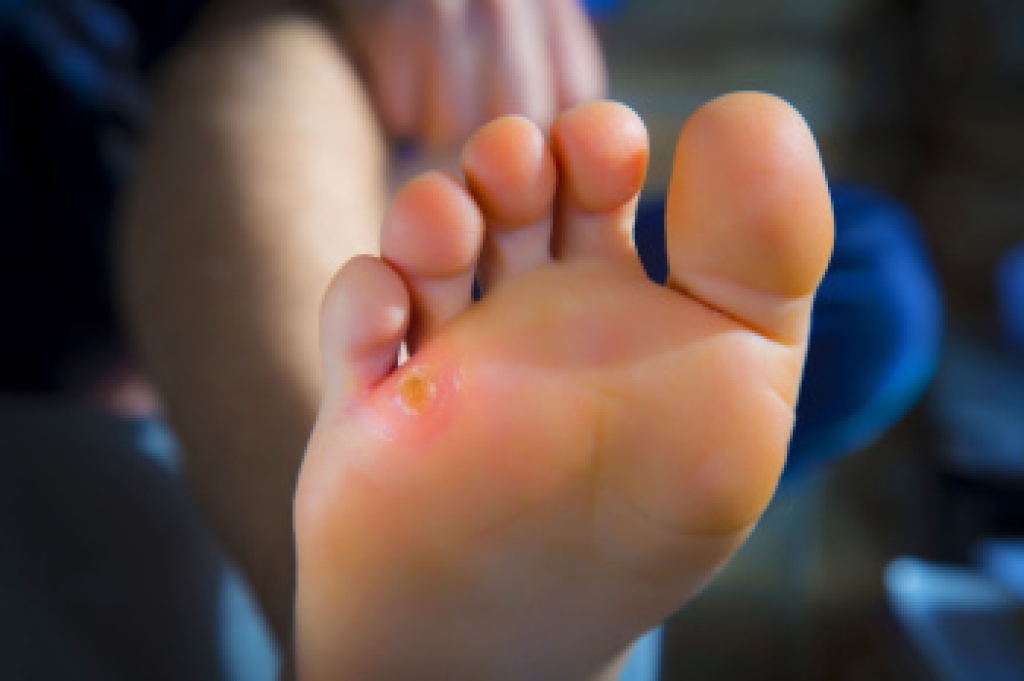
Corns are thickened areas of skin that develop in response to pressure or friction, typically on toes or feet. They form as a protective response, often due to wearing ill-fitting shoes or repetitive rubbing. There are two main types of foot corns. Hard corns are small, concentrated areas of hardened skin on the tops or sides of toes. Soft corns are found between toes where moisture accumulates. Both types can cause discomfort or pain, especially while walking or wearing shoes. Relief can be found through gentle exfoliation, using a pumice stone or foot file to reduce thickness, followed by moisturizing with creams to soften the skin. Wearing properly fitting shoes with adequate toe room can help prevent recurrence. In severe cases, it is suggested you consult a podiatrist for professional treatment, such as trimming or padding, which may be necessary to alleviate discomfort and promote healthy skin.

If you have any concerns regarding your feet and ankles, contact Gary Saphire, DPM of Parkway Podiatry. Our doctor will treat your foot and ankle needs.

Corns: What Are They? and How Do You Get Rid of Them?
Corns can be described as areas of the skin that have thickened to the point of becoming painful or irritating. They are often layers and layers of the skin that have become dry and rough, and are normally smaller than calluses.

Ways to Prevent Corns
There are many ways to get rid of painful corns such as wearing:

  • Well-fitting socks
  • Comfortable shoes that are not tight around your foot
  • Shoes that offer support

Treating Corns
Treatment of corns involves removing the dead skin that has built up in the specific area of the foot. Consult with Our doctor to determine the best treatment option for your case of corns.

If you have any questions, please feel free to contact our office located in Brooklyn, NY . We offer the newest diagnostic and treatment technologies for all your foot care needs.
Read more about Everything You Need to Know About Corns

What Is Hallux Limitus?

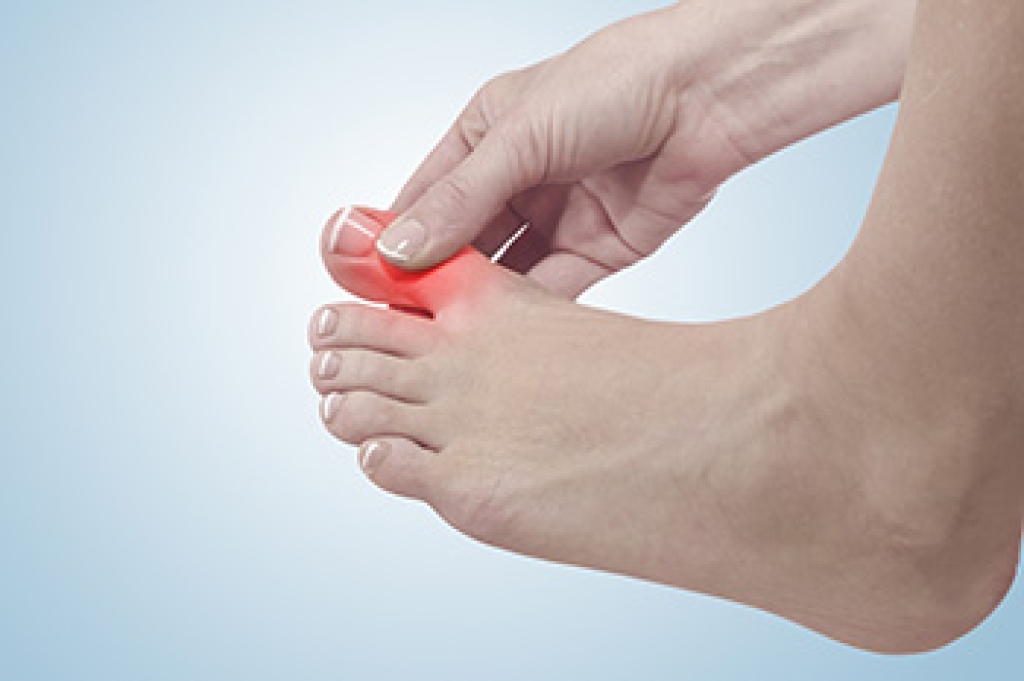
Hallux limitus is a condition where movement in the big toe joint is restricted, often due to arthritis or structural abnormalities. Symptoms include pain, stiffness, swelling, and difficulty bending the toe when walking or pushing off during activities. Preventing hallux limitus involves wearing supportive footwear with a wide toe box to reduce pressure on the joint. Toe exercises and maintaining a healthy weight can also help. Treatment options vary depending on the severity and may include shoe modifications, orthotic inserts, physical therapy, or anti-inflammatory medications. In advanced cases, surgical interventions like joint fusion or joint replacement may be necessary to restore function. If you experience persistent pain or notice changes in your toe joint mobility, consulting a podiatrist is suggested. This foot doctor can diagnose the condition accurately, assess its impact on your foot health, and recommend the most effective treatment plan to alleviate symptoms and improve mobility.

Foot Pain

Foot pain can be extremely painful and debilitating. If you have a foot pain, consult with Gary Saphire, DPM from Parkway Podiatry. Our doctor will assess your condition and provide you with quality foot and ankle treatment.

Causes

Foot pain is a very broad condition that could be caused by one or more ailments. The most common include:

  • Bunions
  • Hammertoes
  • Plantar Fasciitis
  • Bone Spurs
  • Corns
  • Tarsal Tunnel Syndrome
  • Ingrown Toenails
  • Arthritis (such as Gout, Rheumatoid, and Osteoarthritis)
  • Flat Feet
  • Injury (from stress fractures, broken toe, foot, ankle, Achilles tendon ruptures, and sprains)
  • And more

Diagnosis

To figure out the cause of foot pain, podiatrists utilize several different methods. This can range from simple visual inspections and sensation tests to X-rays and MRI scans. Prior medical history, family medical history, and any recent physical traumatic events will all be taken into consideration for a proper diagnosis.

Treatment

Treatment depends upon the cause of the foot pain. Whether it is resting, staying off the foot, or having surgery; podiatrists have a number of treatment options available for foot pain.

If you have any questions, please feel free to contact our office located in Brooklyn, NY . We offer the newest diagnostic and treatment technologies for all your foot care needs.
Read more about Foot Pain

When Should Babies Start Wearing Shoes?

Babies do not need shoes until they begin walking outdoors. Until then, crawling or walking barefoot and wearing socks can help the feet to grow and strengthen naturally. Putting shoes on too early can impede proper foot development while restricting movement and growth. When the time is right to choose baby shoes, opt for soft, flexible soles that mimic natural foot motion, allowing toes to grip and flex. Ensure a wide toe box for ample space and breathable materials for comfort. Proper fit is essential, as shoes should be neither too tight nor too loose to prevent blisters and ensure stability. Regularly check for signs of wear and outgrowth to maintain the best support. If you notice any abnormalities concerning your child’s feet, it is suggested that you consult a podiatrist who can treat any foot condition and guide you on proper shoe selection.

The health of a child’s feet is vital to their overall well-being. If you have any questions regarding foot health, contact Gary Saphire, DPM of Parkway Podiatry. Our doctor can provide the care you need to keep you pain-free and on your feet.

Tips for Keeping Children's Feet Healthy

  • Make sure their shoes fit properly
  • Look for any signs of in-toeing or out-toeing
  • Check to see if they have Clubfoot (condition that affects your child’s foot and ankle, twisting the heel and toes inward) which is one of the most common nonmajor birth defects.
  • Lightly cover your baby’s feet (Tight covers may keep your baby from moving their feet freely, and could prevent normal development)
  • Allow your toddler to go shoeless (Shoes can be restricting for a young child’s foot)
  • Cut toenails straight across to avoid ingrown toenails
  • Keep your child’s foot clean and dry
  • Cover cuts and scrapes. Wash any scratches with soap and water and cover them with a bandage until they’ve healed.

If you have any questions, please feel free to contact our office located in Brooklyn, NY . We offer the newest diagnostic and treatment technologies for all your foot care needs.
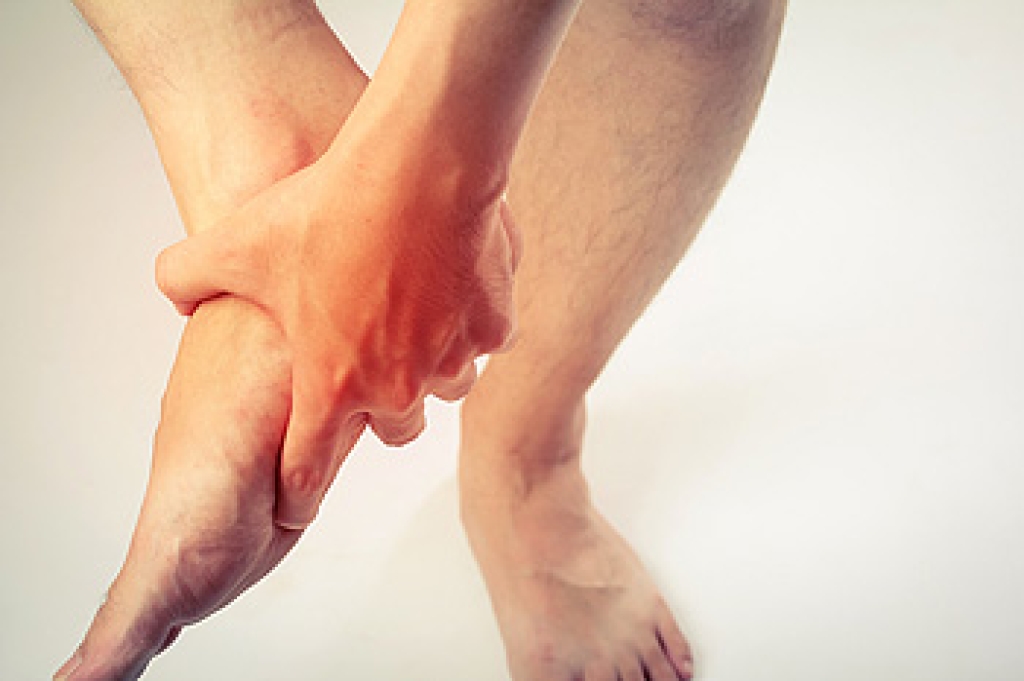
Read more about How to Care for Your Child's Feet

Reminder: When Was the Last Time...?

Custom orthotics, or shoe inserts, should be periodically replaced. Orthotics must fit properly to give you the best results. Protect your feet and ankles!

The Pain of Plantar Fasciitis

Plantar fasciitis is a common foot condition characterized by inflammation of the plantar fascia, a thick band of tissue that runs along the bottom of the foot, connecting the heel bone to the toes. It occurs when this tissue is overstretched or overused, often due to excessive running, standing for long periods, or wearing inadequate footwear. The condition manifests as a sharp, stabbing pain in the heel, particularly noticeable with the first steps in the morning or after long periods of inactivity. Those at higher risk include runners, individuals with high arches or flat feet, people who are overweight, and people who wear shoes with poor arch support. Preventing plantar fasciitis involves wearing supportive footwear, maintaining a healthy weight, and incorporating stretching exercises into daily routines to improve flexibility. Treatment options include rest and stretching exercises, For persistent pain, custom orthotics may be necessary. If you have continued heel pain, it is suggested that you schedule an appointment with a podiatrist for a proper diagnosis and treatment.

Plantar fasciitis is a common foot condition that is often caused by a strain injury. If you are experiencing heel pain or symptoms of plantar fasciitis, contact Gary Saphire, DPM from Parkway Podiatry. Our doctor can provide the care you need to keep you pain-free and on your feet.

What Is Plantar Fasciitis?

Plantar fasciitis is one of the most common causes of heel pain. The plantar fascia is a ligament that connects your heel to the front of your foot. When this ligament becomes inflamed, plantar fasciitis is the result. If you have plantar fasciitis you will have a stabbing pain that usually occurs with your first steps in the morning. As the day progresses and you walk around more, this pain will start to disappear, but it will return after long periods of standing or sitting.

What Causes Plantar Fasciitis?

  • Excessive running
  • Having high arches in your feet
  • Other foot issues such as flat feet
  • Pregnancy (due to the sudden weight gain)
  • Being on your feet very often

There are some risk factors that may make you more likely to develop plantar fasciitis compared to others. The condition most commonly affects adults between the ages of 40 and 60. It also tends to affect people who are obese because the extra pounds result in extra stress being placed on the plantar fascia.

Prevention

  • Take good care of your feet – Wear shoes that have good arch support and heel cushioning.
  • Maintain a healthy weight
  • If you are a runner, alternate running with other sports that won’t cause heel pain

There are a variety of treatment options available for plantar fasciitis along with the pain that accompanies it. Additionally, physical therapy is a very important component in the treatment process. It is important that you meet with your podiatrist to determine which treatment option is best for you.

If you have any questions, please feel free to contact our office located in Brooklyn, NY . We offer the newest diagnostic and treatment technologies for all your foot care needs.


Read more about Plantar Fasciitis
scroll to top