Like us on facebook
Follow us on twitter
review us on google

When Children Step on Sharp Objects

Young children often run barefoot or in thin shoes, which makes stepping on sharp objects more common than many parents expect. Whether it is a splinter, nail, or shard of glass, puncture wounds to the bottom of the foot can be more serious than they first appear. These injuries may seem small on the surface but can drive debris deep into soft tissue, increasing the risk of infection or damage to deeper structures. Early signs such as swelling, redness, or limping should not be ignored. Proper cleaning is important, but some wounds may require medical attention, especially if the object was dirty or the child is overdue for a tetanus shot. If your child has pain or difficulty walking after a puncture wound, it is suggested that you see a podiatrist as quickly as possible for a complete evaluation and care plan.

Wound care is an important part in dealing with diabetes. If you have diabetes and a foot wound or would like more information about wound care for diabetics, consult with Gary Saphire, DPM from Parkway Podiatry. Our doctor will assess your condition and provide you with quality foot and ankle treatment.

What Is Wound Care?

Wound care is the practice of taking proper care of a wound. This can range from the smallest to the largest of wounds. While everyone can benefit from proper wound care, it is much more important for diabetics. Diabetics often suffer from poor blood circulation which causes wounds to heal much slower than they would in a non-diabetic. 

What Is the Importance of Wound Care?

While it may not seem apparent with small ulcers on the foot, for diabetics, any size ulcer can become infected. Diabetics often also suffer from neuropathy, or nerve loss. This means they might not even feel when they have an ulcer on their foot. If the wound becomes severely infected, amputation may be necessary. Therefore, it is of the upmost importance to properly care for any and all foot wounds.

How to Care for Wounds

The best way to care for foot wounds is to prevent them. For diabetics, this means daily inspections of the feet for any signs of abnormalities or ulcers. It is also recommended to see a podiatrist several times a year for a foot inspection. If you do have an ulcer, run the wound under water to clear dirt from the wound; then apply antibiotic ointment to the wound and cover with a bandage. Bandages should be changed daily and keeping pressure off the wound is smart. It is advised to see a podiatrist, who can keep an eye on it.

If you have any questions please contact our office located in Brooklyn, NY . We offer the newest diagnostic and treatment technologies for all your foot and ankle needs.

Read more about Wound Care

Nerve Damage Can Affect Your Feet

Peripheral neuropathy involves damage to the nerves outside the brain and spinal cord, often affecting the feet. It is commonly caused by diabetes, but can also result from alcohol abuse, certain medication,  infections, or vitamin deficiencies. Symptoms typically include a strong burning sensation, tingling, numbness, or sharp, shooting pain in the feet. You may also experience weakness, sensitivity to touch, or a pins and needles feeling. In some cases, the skin may appear red or feel unusually warm or cold. These symptoms can worsen over time, making walking and maintaining balance difficult. A podiatrist plays a key role in diagnosing and managing peripheral neuropathy. They may perform a neurological exam, nerve conduction studies, or blood tests to determine the cause. Treatment options include medication, topical creams, custom orthotics, and guidance on foot care to prevent complications like ulcers or infections. If you have this condition, it is suggested that you are under the care of  a podiatrist who can help you with relief and management tips.

Neuropathy

Neuropathy can be a potentially serious condition, especially if it is left undiagnosed. If you have any concerns that you may be experiencing nerve loss in your feet, consult with Gary Saphire, DPM from Parkway Podiatry. Our doctor will assess your condition and provide you with quality foot and ankle treatment for neuropathy.

What Is Neuropathy?

Neuropathy is a condition that leads to damage to the nerves in the body. Peripheral neuropathy, or neuropathy that affects your peripheral nervous system, usually occurs in the feet. Neuropathy can be triggered by a number of different causes. Such causes include diabetes, infections, cancers, disorders, and toxic substances.

Symptoms of Neuropathy Include:

  • Numbness
  • Sensation loss
  • Prickling and tingling sensations
  • Throbbing, freezing, burning pains
  • Muscle weakness

Those with diabetes are at serious risk due to being unable to feel an ulcer on their feet. Diabetics usually also suffer from poor blood circulation. This can lead to the wound not healing, infections occurring, and the limb may have to be amputated.

Treatment

To treat neuropathy in the foot, podiatrists will first diagnose the cause of the neuropathy. Figuring out the underlying cause of the neuropathy will allow the podiatrist to prescribe the best treatment, whether it be caused by diabetes, toxic substance exposure, infection, etc. If the nerve has not died, then it’s possible that sensation may be able to return to the foot.

Pain medication may be issued for pain. Electrical nerve stimulation can be used to stimulate nerves. If the neuropathy is caused from pressure on the nerves, then surgery may be necessary.

If you have any questions, please feel free to contact our office located in Brooklyn, NY . We offer the newest diagnostic and treatment technologies for all your foot care needs.

Read more about Neuropathy

Flat Feet in Children and Teenagers

Flat feet in children and teenagers can be painful, affecting mobility and overall quality of life. This condition occurs when the arches of the feet do not develop properly or collapse under pressure, leading to little or no visible arch. Causes can include genetics, ligament laxity, obesity, injury, or underlying neuromuscular conditions. Overuse and wearing poor footwear can also contribute to discomfort. Symptoms often include aching feet, fatigue during physical activity, inward ankle rolling, and pain in the heels, arches, or lower legs. Some children may also experience stiffness or difficulty walking and running. Early identification and proper management are essential to avoid long-term issues. Treatment may involve stretching, wearing supportive footwear, orthotics, or even surgery. If your child has flat feet that are causing pain and discomfort, it is suggested that you confer with a podiatrist who can offer effective relief tips.

Flatfoot is a condition many people suffer from. If you have flat feet, contact Gary Saphire, DPM from Parkway Podiatry. Our doctor will treat your foot and ankle needs.

What Are Flat Feet?

Flatfoot is a condition in which the arch of the foot is depressed and the sole of the foot is almost completely in contact with the ground. About 20-30% of the population generally has flat feet because their arches never formed during growth.

Conditions & Problems:

Having flat feet makes it difficult to run or walk because of the stress placed on the ankles.

Alignment – The general alignment of your legs can be disrupted, because the ankles move inward which can cause major discomfort.

Knees – If you have complications with your knees, flat feet can be a contributor to arthritis in that area.  

Symptoms

  • Pain around the heel or arch area
  • Trouble standing on the tip toe
  • Swelling around the inside of the ankle
  • Flat look to one or both feet
  • Having your shoes feel uneven when worn

Treatment

If you are experiencing pain and stress on the foot you may weaken the posterior tibial tendon, which runs around the inside of the ankle. 

If you have any questions, please feel free to contact our office located in Brooklyn, NY . We offer the newest diagnostic and treatment technologies for all your foot care needs.

Read more about Flatfoot

Heel Pain in the Morning?

Heel pain can negatively affect your day-to-day life. Simple activities like walking can become incredibly uncomfortable or painful due to heel pain.

Don’t live with heel pain and get treated.

Different Types of Toenail Fungus

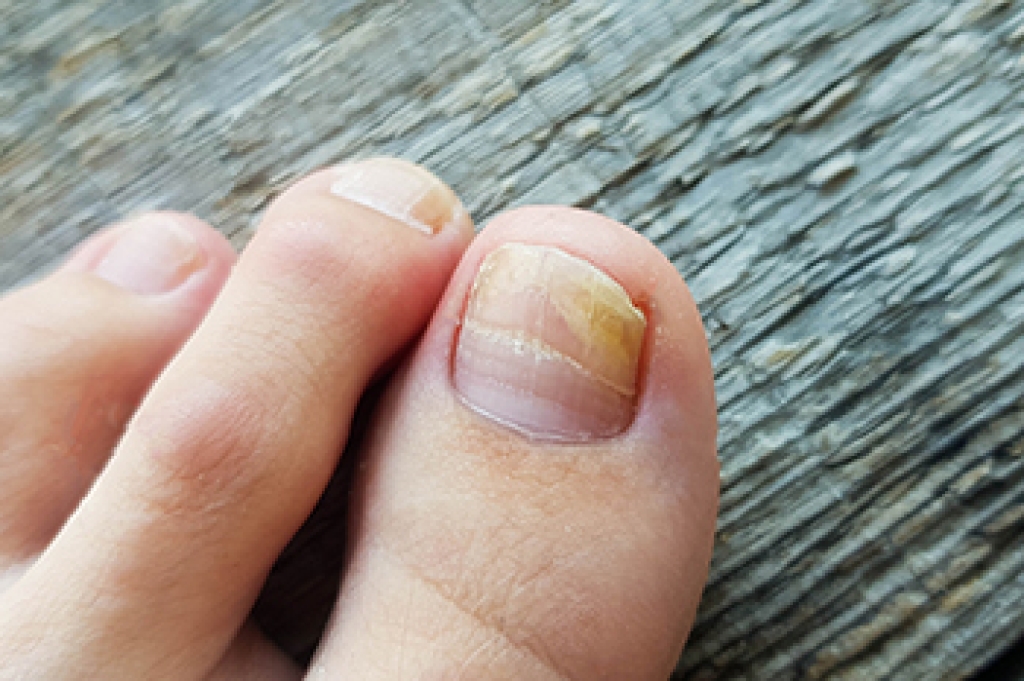
Toenail fungus appears in various forms, each with distinct characteristics. Subungual onychomycosis is the most common type and affects the nail bed underneath the nail. It often causes thickening, discoloration, and crumbling of the nail. White superficial onychomycosis causes white patches on the surface of the nail and may cause the nail to become soft and powdery. Candida onychomycosis is caused by yeast and typically affects fingernails but can also appear on toenails, especially in individuals with a compromised immune system or frequent exposure to moisture. This form can cause swelling, pain, and a yellow or white discoloration of the nail. Each type of fungal infection may appear similar at first glance, but identifying the specific form helps determine the most effective treatment and approach to care. If you have toenail fungus, it is suggested that you consult a podiatrist who can determine which type it is, and offer treatment solutions, which may include prescribed medication.

If left untreated, toenail fungus may spread to other toenails, skin, or even fingernails. If you suspect you have toenail fungus it is important to seek treatment right away. For more information about treatment, contact Gary Saphire, DPM of Parkway Podiatry. Our doctor can provide the care you need to keep you pain-free and on your feet.

Symptoms

  • Warped or oddly shaped nails
  • Yellowish nails
  • Loose/separated nail
  • Buildup of bits and pieces of nail fragments under the nail
  • Brittle, broken, thickened nail

Treatment

If self-care strategies and over-the-counter medications does not help your fungus, your podiatrist may give you a prescription drug instead. Even if you find relief from your toenail fungus symptoms, you may experience a repeat infection in the future.

Prevention

In order to prevent getting toenail fungus in the future, you should always make sure to wash your feet with soap and water. After washing, it is important to dry your feet thoroughly especially in between the toes. When trimming your toenails, be sure to trim straight across instead of in a rounded shape. It is crucial not to cover up discolored nails with nail polish because that will prevent your nail from being able to “breathe”.

In some cases, surgical procedure may be needed to remove the toenail fungus. Consult with your podiatrist about the best treatment options for your case of toenail fungus.  

If you have any questions please contact our office located in Brooklyn, NY . We offer the newest diagnostic and treatment technologies for all your foot and ankle needs.

Read more about How to Treat Your Toenail Fungus
scroll to top