Like us on facebook
Follow us on twitter
review us on google

High Heels and Bunions

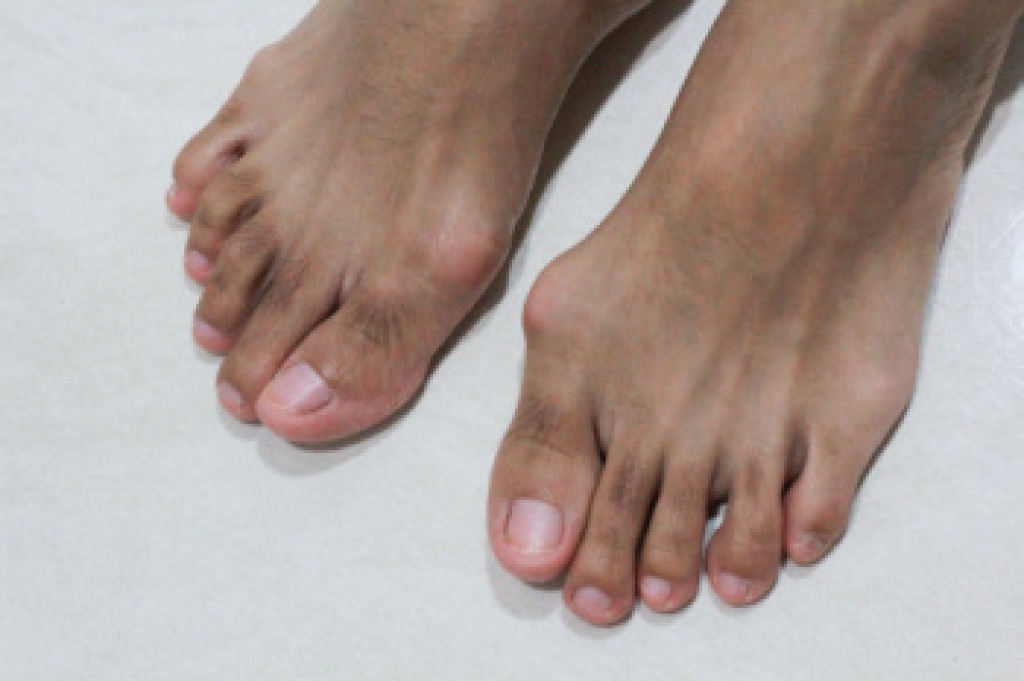
High heels are fashionable but can worsen hallux valgus, commonly known as bunions. These shoes often have narrow toe boxes that squeeze the toes, forcing the big toe out of alignment and aggravating the bony bump at its base. The elevated heel shifts body weight forward, increasing pressure on the forefoot and the bunion, leading to inflammation and discomfort. High heels also alter the natural mechanics of walking, limiting toe movement and stressing the joints, which can accelerate the progression of hallux valgus. For those already experiencing bunion pain, high heels amplify friction and irritation, causing swelling and redness that make walking uncomfortable. Opting for shoes with a wider toe box and a lower heel height can help minimize pain while preserving foot health. If you have developed a bunion from wearing high heels, it is suggested that you see a podiatrist for relief options and guidance on choosing shoes that will protect against further foot damage.

High heels have a history of causing foot and ankle problems. If you have any concerns about your feet or ankles, contact Gary Saphire, DPM from Parkway Podiatry. Our doctor can provide the care you need to keep you pain-free and on your feet.

Effects of High Heels on the Feet

High heels are popular shoes among women because of their many styles and societal appeal.  Despite this, high heels can still cause many health problems if worn too frequently.

Which Parts of My Body Will Be Affected by High Heels?

  • Ankle Joints
  • Achilles Tendon – May shorten and stiffen with prolonged wear
  • Balls of the Feet
  • Knees – Heels cause the knees to bend constantly, creating stress on them
  • Back – They decrease the spine’s ability to absorb shock, which may lead to back pain.  The vertebrae of the lower back may compress.

What Kinds of Foot Problems Can Develop from Wearing High Heels?

  • Corns
  • Calluses
  • Hammertoe
  • Bunions
  • Morton’s Neuroma
  • Plantar Fasciitis

How Can I Still Wear High Heels and Maintain Foot Health?

If you want to wear high heeled shoes, make sure that you are not wearing them every day, as this will help prevent long term physical problems.  Try wearing thicker heels as opposed to stilettos to distribute weight more evenly across the feet.  Always make sure you are wearing the proper shoes for the right occasion, such as sneakers for exercising.  If you walk to work, try carrying your heels with you and changing into them once you arrive at work.  Adding inserts to your heels can help cushion your feet and absorb shock. Full foot inserts or metatarsal pads are available. 

If you have any questions, please feel free to contact our office located in Brooklyn, NY . We offer the newest diagnostic and treatment technologies for all your foot care needs.

Read more about Effect of High Heels on the Feet

Types and Risks of Bunion Surgery

Bunion surgery is performed to correct a bony outgrowth, called a bunion, at the base of the big toe, which causes the top of the toe to angle inward. While minimally invasive options may result in shorter recovery times, more severe bunions often require traditional open surgery for adequate correction. There are a number of surgical techniques used to correct this deformity. A bunionectomy involves removing the outgrowth and realigning surrounding soft tissues. Osteotomy cuts the toe bone and repositions it with screws or pins. Arthrodesis fuses bones at the damaged joint. Arthroplasty replaces the damaged joint with an implant. All of these procedures aim to restore foot alignment, reduce pain, and improve mobility. Risks include infection, scarring, nerve damage, and potential recurrence of the bunion. A podiatrist can help determine the best surgical approach based on the bunion’s severity. If you have a problematic bunion, it is suggested that you make an appointment with a podiatrist for treatment.

If you are suffering from bunions, contact Gary Saphire, DPM of Parkway Podiatry. Our doctor can provide the care you need to keep you pain-free and on your feet.

What Is a Bunion?

A bunion is formed of swollen tissue or an enlargement of boney growth, usually located at the base joint of the toe that connects to the foot. The swelling occurs due to the bones in the big toe shifting inward, which impacts the other toes of the foot. This causes the area around the base of the big toe to become inflamed and painful.

Why Do Bunions Form?

Genetics – Susceptibility to bunions are often hereditary

Stress on the feet – Poorly fitted and uncomfortable footwear that places stress on feet, such as heels, can worsen existing bunions

How Are Bunions Diagnosed?

Doctors often perform two tests – blood tests and x-rays – when trying to diagnose bunions, especially in the early stages of development. Blood tests help determine if the foot pain is being caused by something else, such as arthritis, while x-rays provide a clear picture of your bone structure to your doctor.

How Are Bunions Treated?

  • Refrain from wearing heels or similar shoes that cause discomfort
  • Select wider shoes that can provide more comfort and reduce pain
  • Anti-inflammatory and pain management drugs
  • Orthotics or foot inserts
  • Surgery

If you have any questions, please feel free to contact our office located in Brooklyn, NY . We offer the newest diagnostic and treatment technologies for all your foot care needs.

Read more about What Are Bunions?

Signs and Symptoms of Stress Fractures

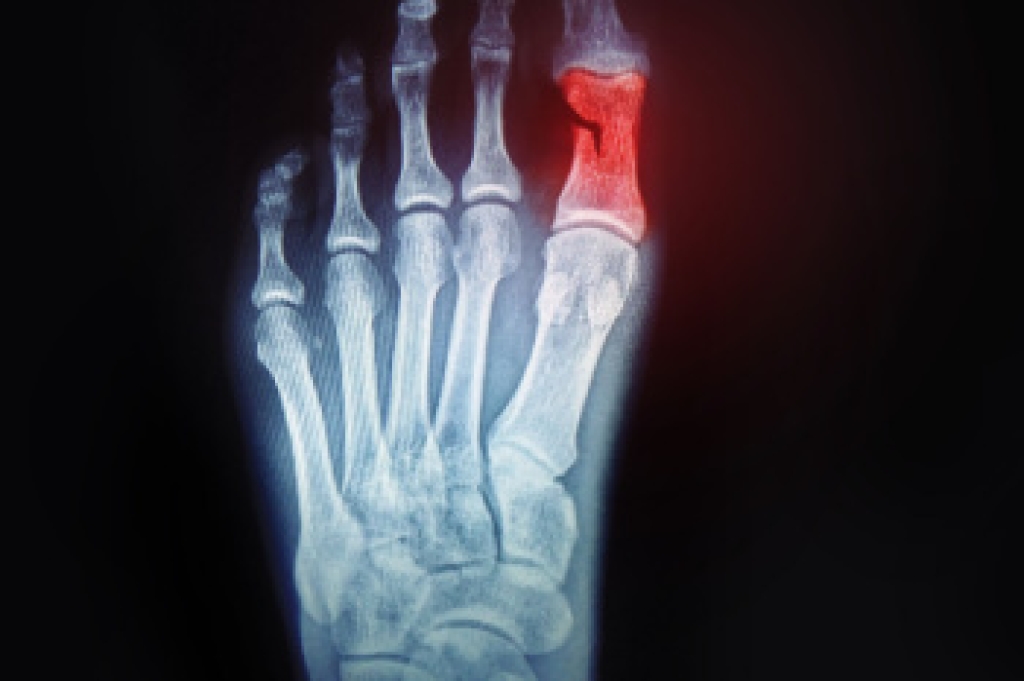
Stress fractures in the feet often occur subtly, making them challenging to detect without professional evaluation from a podiatrist. These hairline cracks in the bones of the feet develop gradually, often caused by an increase in physical activity. People who are especially active, like runners and other athletes, older adults, and those with low bone density are at a higher risk for foot stress fractures. Common symptoms include pain that intensifies during or after activity, swelling, and tenderness in the affected area. Unlike typical bone fractures, stress fractures may not immediately show up on X-rays, often taking several weeks to become visible. Podiatrists can accurately diagnose stress fractures by using imaging methods, such as bone scans or MRIs, to ensure the right treatment plan. They may recommend rest, support devices, or other interventions to help the bone heal and prevent further complications. If you have foot pain that may be caused by a stress fracture, it is suggested that you make an appointment with a podiatrist for appropriate treatment.

Activities where too much pressure is put on the feet can cause stress fractures. To learn more, contact Gary Saphire, DPM from Parkway Podiatry. Our doctor can provide the care you need to keep your pain free and on your feet.

Dealing with Stress Fractures of the Foot and Ankle

Stress fractures occur in the foot and ankle when muscles in these areas weaken from too much or too little use.  The feet and ankles then lose support when walking or running from the impact of the ground. Since there is no protection, the bones receive the full impact of each step. Stress on the feet can cause cracks to form in the bones, thus creating stress fractures.

What Are Stress Fractures?

Stress fractures occur frequently in individuals whose daily activities cause great impact on the feet and ankles. Stress factors are most common among:

  • Runners                                
  • People affected with Osteoporosis
  • Tennis or basketball players
  • Gymnasts
  • High impact workouts

Symptoms

Pain from the fractures occur in the area of the fractures and can be constant or intermittent. It will often cause sharp or dull pain with swelling and tenderness. Engaging in any kind of activity which involves high impact will aggravate pain.

If you have any questions please contact our office located in Brooklyn, NY . We offer the newest diagnostic and treatment technologies for all your foot and ankle needs.

Read more about Dealing with Stress Fractures of the Foot and Ankle

Why Live with Pain and Numbness in Your Feet?

Suffering from this type of pain? You may have the foot condition known as Morton's neuroma. Morton's neuroma may develop as a result of ill-fitting footwear and existing foot deformities. We can help.

Causes and Symptoms of Toe Fractures

Toe fractures can occur for various reasons, with some common causes being crushing injuries and joint hyperextension. A crushing injury often happens when a heavy object falls onto the foot, resulting in significant trauma. Joint hyperextension, where the toe is forced beyond its normal range of motion, can also result in fractures. Stress fractures are another concern, typically caused by repetitive impact or overuse, often seen in athletes or those engaged in high-intensity activities. Symptoms of a toe fracture include intense pain, swelling, bruising, and difficulty in moving the affected toe. In some cases, the toe may appear to be misaligned or deformed. If you have symptoms of a broken toe, it is suggested that you contact a podiatrist who can offer you appropriate treatment options.

Broken toes may cause a lot of pain and should be treated as soon as possible. If you have any concerns about your feet, contact Gary Saphire, DPM from Parkway Podiatry. Our doctor will treat your foot and ankle needs.

What Is a Broken Toe?

A broken toe occurs when one or more of the toe bones of the foot are broken after an injury. Injuries such as stubbing your toe or dropping a heavy object on it may cause a toe fracture.

Symptoms of a Broken Toe

  • Swelling
  • Pain (with/without wearing shoes)
  • Stiffness
  • Nail Injury

Although the injured toe should be monitored daily, it is especially important to have a podiatrist look at your toe if you have severe symptoms. Some of these symptoms include worsening or new pain that is not relieved with medication, sores, redness, or open wounds near the toe.

If you have any questions please feel free to contact our office located in Brooklyn, NY . We offer the newest diagnostic tools and technology to treat your foot and ankle needs.

Read more about What to Know About a Broken Toe
scroll to top