Like us on facebook
Follow us on twitter
review us on google

How to Tell if Your Foot Is Broken

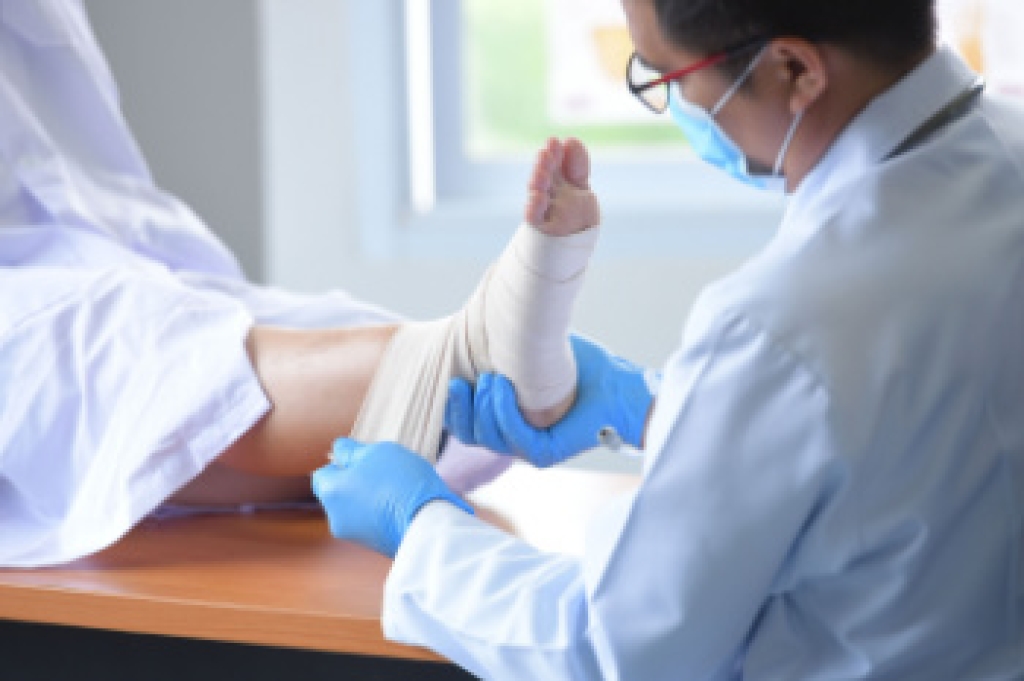
Determining whether your foot is broken involves assessing several key symptoms. Pain is often the most immediate sign. A broken foot typically causes sharp, intense pain that worsens with movement. To gauge the severity, compare the injured foot to the uninjured one. Look for any visible deformities or misalignments, such as an unusual angle or protruding bone. Swelling is another common indicator, as a broken foot usually swells significantly around the injury site, sometimes accompanied by bruising. If you experience severe pain, noticeable changes in foot shape, or significant swelling, it is important to seek medical attention from a podiatrist, who can perform an X-ray or other imaging tests that can confirm a fracture and determine the appropriate treatment for recovery. If you have broken your foot, it is suggested that you confer with this type of doctor who can treat this condition.

A broken foot requires immediate medical attention and treatment. If you need your feet checked, contact Gary Saphire, DPM from Parkway Podiatry. Our doctor can provide the care you need to keep you pain-free and on your feet.

Broken Foot Causes, Symptoms, and Treatment

A broken foot is caused by one of the bones in the foot typically breaking when bended, crushed, or stretched beyond its natural capabilities. Usually the location of the fracture indicates how the break occurred, whether it was through an object, fall, or any other type of injury. 

Common Symptoms of Broken Feet:

  • Bruising
  • Pain
  • Redness
  • Swelling
  • Blue in color
  • Numbness
  • Cold
  • Misshapen
  • Cuts
  • Deformities

Those that suspect they have a broken foot shoot seek urgent medical attention where a medical professional could diagnose the severity.

Treatment for broken bones varies depending on the cause, severity and location. Some will require the use of splints, casts or crutches while others could even involve surgery to repair the broken bones. Personal care includes the use of ice and keeping the foot stabilized and elevated.

If you have any questions, please feel free to contact our office located in Brooklyn, NY . We offer the newest diagnostic and treatment technologies for all your foot care needs.

Read more about Causes, Symptoms, and Treatment for a Broken Foot

Common Types of Heel Spurs

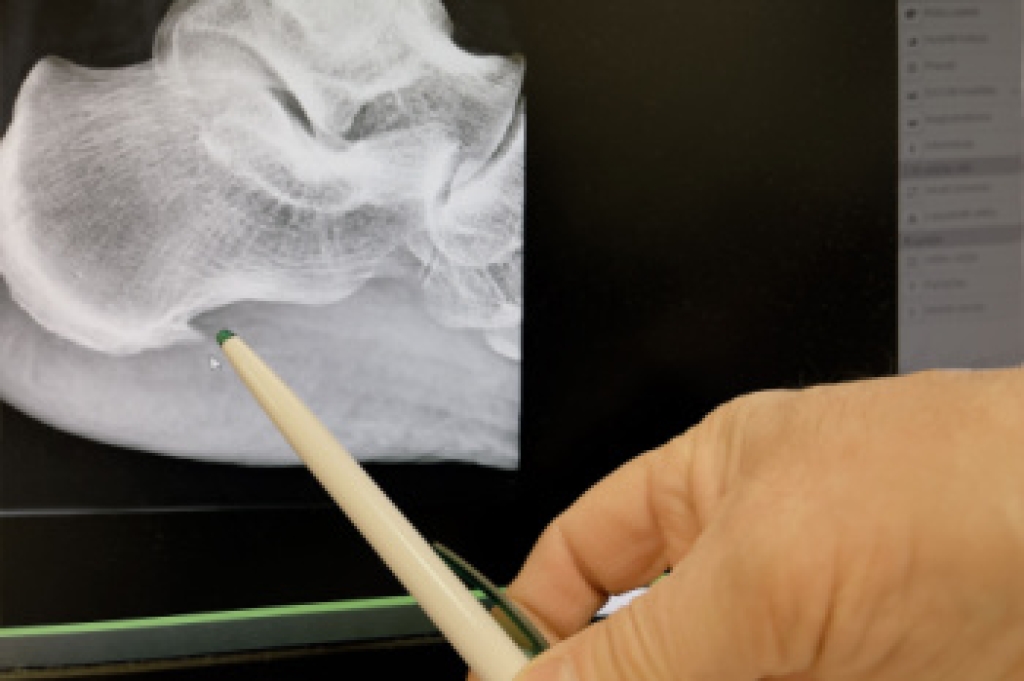
Heel spurs are bony growths that develop on the bottom or back of the heel. They are often associated with foot conditions like plantar fasciitis and Achilles tendonitis. When a spur forms on the bottom of the heel, it is typically linked to heel spur syndrome. This occurs where the plantar fascia, a band of tissue supporting the arches of the foot, connects to the heel bone. These heel spurs often develop due to stress, overuse, or some kind of injury to the heel area. Another common type is a dorsal spur. This forms at the back of the heel, where the Achilles tendon attaches. It is often the result of insertional Achilles tendonitis, or inflammation. While heel spurs are common, many people do not experience pain. However, those with symptoms may notice discomfort during walking or running. A podiatrist can diagnose the cause of your heel pain and provide custom orthotics that can help prevent further damage. If you believe you may have developed a heel spur, it is suggested that you schedule an appointment with a podiatrist for an exam and treatment.

Heel spurs can be incredibly painful and sometimes may make you unable to participate in physical activities. To get medical care for your heel spurs, contact Gary Saphire, DPM from Parkway Podiatry. Our doctor will do everything possible to treat your condition.

Heels Spurs

Heel spurs are formed by calcium deposits on the back of the foot where the heel is. This can also be caused by small fragments of bone breaking off one section of the foot, attaching onto the back of the foot. Heel spurs can also be bone growth on the back of the foot and may grow in the direction of the arch of the foot.

Older individuals usually suffer from heel spurs and pain sometimes intensifies with age. One of the main condition's spurs are related to is plantar fasciitis.

Pain

The pain associated with spurs is often because of weight placed on the feet. When someone is walking, their entire weight is concentrated on the feet. Bone spurs then have the tendency to affect other bones and tissues around the foot. As the pain continues, the feet will become tender and sensitive over time.

Treatments

There are many ways to treat heel spurs. If one is suffering from heel spurs in conjunction with pain, there are several methods for healing. Medication, surgery, and herbal care are some options.

If you have any questions, please feel free to contact our office located in Brooklyn, NY . We offer the newest diagnostic and treatment technologies for all your foot care needs.

Read more about How to Treat Heel Spurs

What to Do if Your Child Complains of Heel Pain

Heel pain in children is often caused by repetitive stress or overuse, similar to adults. A common cause is plantar fasciitis, which occurs when the thick band of tissue along the bottom of the foot becomes inflamed due to excessive strain. Other potential causes include Sever's disease, Achilles tendonitis, or poorly fitting shoes that lack proper support. The first thing to do to address heel pain is to have the child rest and reduce activities, like running or jumping that might worsen the condition. Ensure your child wears well-fitted shoes with good arch support and cushioning. If the heel pain persists or worsens, it is suggested that you schedule an appointment with a podiatrist to rule out more serious conditions and explore treatments such as orthotics, targeted exercises, or other interventions. Just as with adults, early treatment is essential to prevent long-term foot issues in children. 

Many people suffer from bouts of heel pain. For more information, contact Gary Saphire, DPM of Parkway Podiatry. Our doctor can provide the care you need to keep you pain-free and on your feet.

Causes of Heel Pain

Heel pain is often associated with plantar fasciitis. The plantar fascia is a band of tissues that extends along the bottom of the foot. A rip or tear in this ligament can cause inflammation of the tissue.

Achilles tendonitis is another cause of heel pain. Inflammation of the Achilles tendon will cause pain from fractures and muscle tearing. Lack of flexibility is also another symptom.

Heel spurs are another cause of pain. When the tissues of the plantar fascia undergo a great deal of stress, it can lead to ligament separation from the heel bone, causing heel spurs.

Why Might Heel Pain Occur?

  • Wearing ill-fitting shoes                
  • Wearing non-supportive shoes
  • Weight change           
  • Excessive running

Treatments

Heel pain should be treated as soon as possible for immediate results. Keeping your feet in a stress-free environment will help. If you suffer from Achilles tendonitis or plantar fasciitis, applying ice will reduce the swelling. Stretching before an exercise like running will help the muscles. Using all these tips will help make heel pain a condition of the past.

If you have any questions, please feel free to contact our office located in Brooklyn, NY . We offer the newest diagnostic and treatment technologies for all your foot care needs.

Read more about Heel Pain

Are You Suffering From Ingrown Toenails?

If left untreated, an ingrown toenail can lead to more serious concerns, such as an infection. Knowing proper nail care can help in the prevention of an ingrown toenail. Give us a call, and get treated!

How High Heels Affect the Feet

Wearing high heels can significantly alter foot posture and alignment, leading to various long-term issues. These shoes force the foot into an unnatural position, causing the bones and foot structure to deviate from their proper alignment. As a result, the biomechanics of walking are compromised, affecting overall foot function. High heels cause the foot to slide forward, compressing the forefoot, especially in narrower toe boxes, which often leads to increased foot supination. This abnormal alignment can increase the risk of overuse injuries and conditions like hammertoes and bunions. Over time, these biomechanical changes may lead to chronic pain and instability. A podiatrist can assess the damage and offer solutions to ease pain and prevent further complications. If you are experiencing foot pain from wearing high heels, it is suggested that you schedule an appointment with a podiatrist.

High heels have a history of causing foot and ankle problems. If you have any concerns about your feet or ankles, contact Gary Saphire, DPM from Parkway Podiatry. Our doctor can provide the care you need to keep you pain-free and on your feet.

Effects of High Heels on the Feet

High heels are popular shoes among women because of their many styles and societal appeal.  Despite this, high heels can still cause many health problems if worn too frequently.

Which Parts of My Body Will Be Affected by High Heels?

  • Ankle Joints
  • Achilles Tendon – May shorten and stiffen with prolonged wear
  • Balls of the Feet
  • Knees – Heels cause the knees to bend constantly, creating stress on them
  • Back – They decrease the spine’s ability to absorb shock, which may lead to back pain.  The vertebrae of the lower back may compress.

What Kinds of Foot Problems Can Develop from Wearing High Heels?

  • Corns
  • Calluses
  • Hammertoe
  • Bunions
  • Morton’s Neuroma
  • Plantar Fasciitis

How Can I Still Wear High Heels and Maintain Foot Health?

If you want to wear high heeled shoes, make sure that you are not wearing them every day, as this will help prevent long term physical problems.  Try wearing thicker heels as opposed to stilettos to distribute weight more evenly across the feet.  Always make sure you are wearing the proper shoes for the right occasion, such as sneakers for exercising.  If you walk to work, try carrying your heels with you and changing into them once you arrive at work.  Adding inserts to your heels can help cushion your feet and absorb shock. Full foot inserts or metatarsal pads are available. 

If you have any questions, please feel free to contact our office located in Brooklyn, NY . We offer the newest diagnostic and treatment technologies for all your foot care needs.

Read more about Effect of High Heels on the Feet
scroll to top