
Like us on facebook
Follow us on twitter
review us on google

Avoiding Limb Amputation From Diabetes

In recent years, the United States has witnessed a concerning rise in lower leg, foot, and toe amputations, with 80% attributed to complications from diabetes. Proactive measures such as lifestyle changes, blood sugar management, as well as regular foot examinations and prompt wound care from a podiatrist can help patients avoid this dire solution. Depending on the severity of complications as the result of peripheral artery disease and neuropathy that are common among diabetics, a podiatrist may offer various interventions. Included are wound cleaning, dead tissue removal, revascularization surgery to restore blood flow, and antibiotic treatments for infection. In extreme cases, however, loss of limb may be unavoidable. Scheduling routine foot screenings with a podiatrist and performing daily foot checks at home to catch potential issues early can help to keep the symptoms at bay. Pain or numbness in feet and toes, fungal infections, changes in color, and swollen feet may indicate serious foot problems. Additionally, ingrown toenails, wounds, and sores are symptoms may need immediate attention. If you suffer from diabetic complications that may lead to limb loss, it is strongly suggested that you are under the care of a podiatrist for regular checkups.

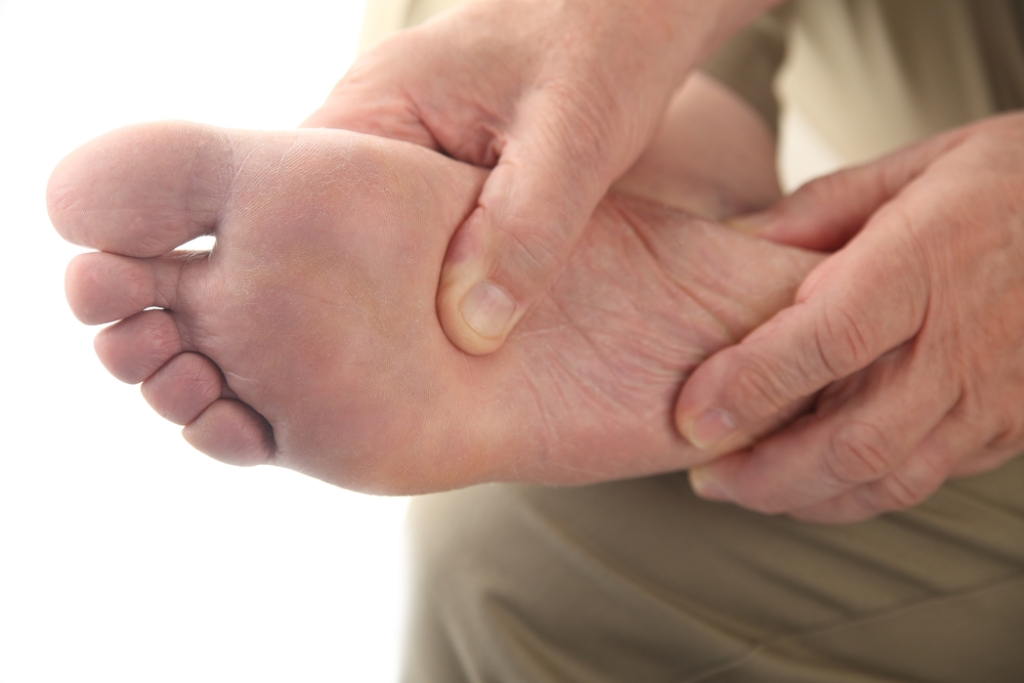
Limb salvage can be an effective way in preventing the need for limb amputation. If you have diabetes, cancer, or any other condition that could lead to foot amputation if left unchecked, consult with Gary Saphire, DPM from Parkway Podiatry. Our doctor will assess your condition and provide you with quality foot and ankle treatment.

What Is Limb Salvage?

Limb salvage is the attempt of saving a limb, such as the foot from amputation. Podiatrists also try to make sure that there is enough function in the foot after the salvage that it is still usable. Diabetes is the number one cause of non-traumatic amputations in the United States. Those with diabetes experience poor blood circulation, which prevents proper healing of an ulcer. If the ulcer is left uncheck, it could become infected, which could result in the need for amputation.

However, there are other causes as well, such as cancer and traumatic injury. Links between higher mortality rates and amputation have been found. This translates into higher healthcare costs, and a reduced quality of life and mobility for amputees. Podiatrists have attempted to increase the prevalence of limb salvage in an attempt to solve these issues.

Diagnosis and Treatment

Limb salvage teams have grown in recent years that utilize a number of different treatments to save the infected limb. This includes podiatrists that specialize in wound care, rehabilitation, orthotics, and surgery. Through a combination of these methods, limb salvage has been found to be an effective treatment for infected limbs, and as an alternative to amputation. Podiatrists will first evaluate the potential for limb salvage and determine if the limb can be saved or must be amputated. 

If you have any questions, please feel free to contact our office located in Brooklyn, NY . We offer the newest diagnostic and treatment technologies for all your foot care needs.
Read more about Limb Salvage

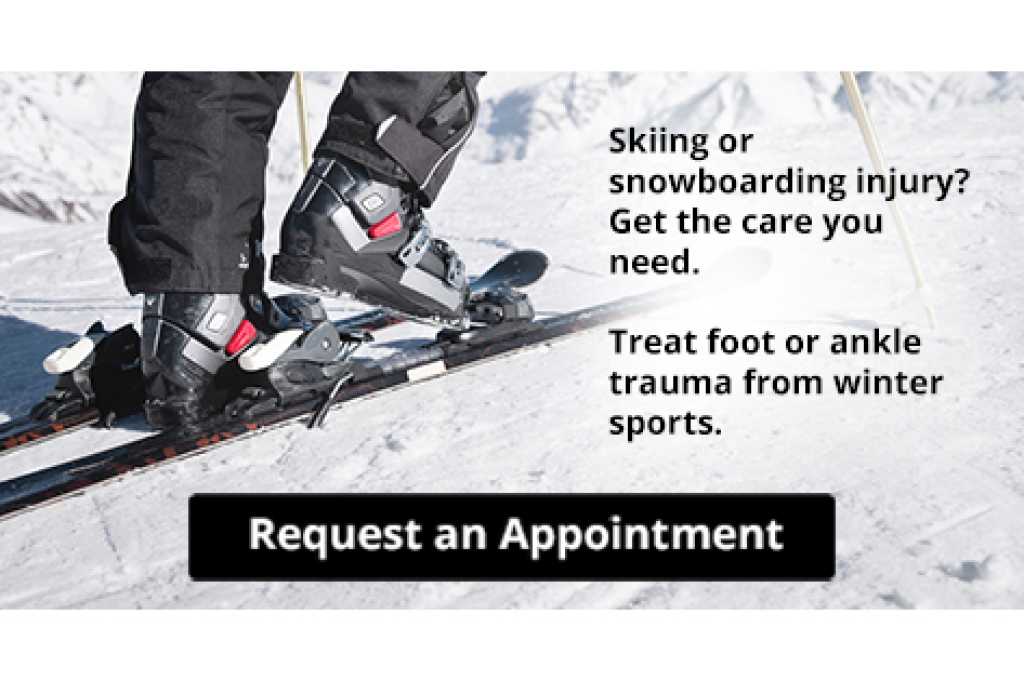
Injury From a Winter Sport? Get the Care You Need

Winter sports can be fun for many – but only with the proper protective gear. Even with the right equipment, however, injuries can happen. If you’ve sustained foot or ankle trauma or a foot or ankle injury, we’re here to help.

What Is Involved in a Diabetic Foot Exam?

A diabetic foot exam is a comprehensive evaluation essential for managing diabetes and preventing foot-related complications. During this examination, podiatrists visually inspect the feet for any cuts, sores, blisters, or signs of infection. They also check for changes in skin color, swelling, and redness. Another critical aspect of the exam involves assessing sensation in the feet. Podiatrists use tools like a monofilament or tuning fork to test for diabetic neuropathy, a condition that can reduce sensitivity in the feet. To evaluate blood flow, pulses in the feet are checked to identify any circulation problems that may slow down wound healing. Additionally, podiatrists look for foot deformities, such as bunions or hammertoes, which can increase the risk of pressure sores. An examination of the patient’s shoes will be done to ensure proper fit and support. If you have diabetes, it is strongly suggested that you are under the care of a podiatrist for such exams, as well as to get vital education on how to take care of your feet to preserve their health.

Diabetic foot care is important in preventing foot ailments such as ulcers. If you are suffering from diabetes or have any other concerns about your feet, contact Gary Saphire, DPM from Parkway Podiatry. Our doctor can provide the care you need to keep you pain-free and on your feet.

Diabetic Foot Care

Diabetes affects millions of people every year. The condition can damage blood vessels in many parts of the body, especially the feet. Because of this, taking care of your feet is essential if you have diabetes, and having a podiatrist help monitor your foot health is highly recommended.

The Importance of Caring for Your Feet

  • Routinely inspect your feet for bruises or sores.
  • Wear socks that fit your feet comfortably.
  • Wear comfortable shoes that provide adequate support.

Patients with diabetes should have their doctor monitor their blood levels, as blood sugar levels play such a huge role in diabetic care. Monitoring these levels on a regular basis is highly advised.

It is always best to inform your healthcare professional of any concerns you may have regarding your feet, especially for diabetic patients. Early treatment and routine foot examinations are keys to maintaining proper health, especially because severe complications can arise if proper treatment is not applied.

If you have any questions, please feel free to contact our office located in Brooklyn, NY . We offer the newest diagnostic and treatment technologies for all your foot care needs.
Read more about Diabetic Foot Care

Footcare and Overall Well Being

Proper foot care is essential for maintaining mobility and overall quality of life and becomes increasingly important with age. Foot issues can hinder everyday activities, such as walking, shopping, and exercising, leading to impaired mobility and a decreased quality of life. Pain or altered walking due to foot problems heightens the risk of falls, potentially impacting mental well being, social interaction, and increasing the likelihood of depression. In the workplace, foot pain can reduce productivity, affecting self esteem and effectiveness. Moreover, good foot health is vital for maintaining the ability to exercise, which in turn affects general health, weight management, and the risk of diabetes and heart disease. Surgery for foot issues may result in lasting mobility challenges, altering lifestyle and well-being. For those with diabetes, foot care is even more critical as high blood sugar can lead to circulation issues and nerve damage, increasing the risk of hard to treat infections. As part of your journey to improve your overall health and well being, it is suggested that you make an appointment with a podiatrist to have your feet examined, obtain any necessary treatment, and learn about effective foot care.

Everyday foot care is very important to prevent infection and other foot ailments. If you need your feet checked, contact Gary Saphire, DPM from Parkway Podiatry. Our doctor can provide the care you need to keep you pain-free and on your feet.

Everyday Foot Care

Often, people take care of their bodies, face and hair more so than they do for their feet. But the feet are a very important aspect of our bodies, and one that we should pay more attention to. Without our feet, we would not be able to perform most daily tasks.

It is best to check your feet regularly to make sure there are no new bruises or cuts that you may not have noticed before. For dry feet, moisturizer can easily be a remedy and can be applied as often as necessary to the affected areas. Wearing shoes that fit well can also help you maintain good foot health, as well as making it easier to walk and do daily activities without the stress or pain of ill-fitting shoes, high heels, or even flip flops. Wearing clean socks with closed shoes is important to ensure that sweat and bacteria do not accumulate within the shoe. Clean socks help to prevent Athlete’s foot, fungi problems, bad odors, and can absorb sweat.

If you have any questions, please feel free to contact our office located in Brooklyn, NY . We offer the newest diagnostic and treatment technologies for all your foot care needs.

Read more about Every Day Foot Care

Children’s Sports Injuries

Concerns exist regarding the impact of a sedentary lifestyle on children, but there are also issues related to sports injuries in children participating in organized sports, which often involve intensive training from a young age. This trend is driven by the belief that early training is essential for future success, leading to a younger demographic in sporting activities such as tennis, swimming, and gymnastics. Specialized training at a young age increases the risk of both acute and overuse injuries, with boys, especially during growth spurts, being more susceptible. Factors like physical attributes and playing conditions play a significant role in these injuries, which can range from ligamentous and meniscal injuries to fractures during peak growth periods. Stress fractures, although rare, are noteworthy in young athletes. The long-term consequences of overuse injuries remain a concern. While accidents are more common outside sports settings, the potential long-term impact of overuse injuries in sports such as gymnastics and soccer is an area of concern. If your child is involved in organized sports, it is suggested to consult a podiatrist to discuss preventive measures and address any foot and ankle issues that may arise from sports participation.

Making sure that your children maintain good foot health is very important as they grow. If you have any questions, contact Gary Saphire, DPM of Parkway Podiatry. Our doctor can provide the care you need to keep you pain-free and on your feet.

Keeping Children's Feet Healthy

Having healthy feet during childhood can help prevent medical problems later in life, namely in the back and legs. As children grow, their feet require different types of care. Here are some things to consider...

Although babies do not walk yet, it is still very important to take care of their feet.

Avoid putting tight shoes or socks on his or her feet.

Allow the baby to stretch and kick his or her feet to feel comfortable.

As a toddler, kids are now on the move and begin to develop differently. At this age, toddlers are getting a feel for walking, so don’t be alarmed if your toddler is unsteady or ‘walks funny’. 

As your child gets older, it is important to teach them how to take care of their feet.

Show them proper hygiene to prevent infections such as fungus.

Be watchful for any pain or injury.

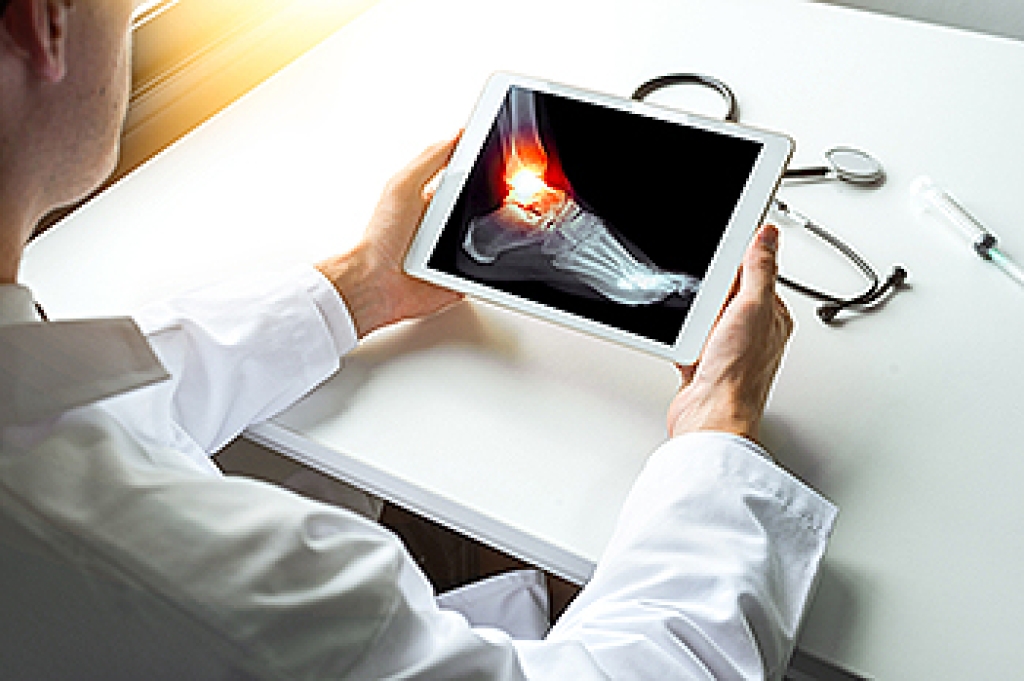
Have all injuries checked by a doctor as soon as possible.

Comfortable, protective shoes should always be worn, especially at play.

If you have any questions, please feel free to contact our office located in Brooklyn, NY . We offer the newest diagnostic and treatment technologies for all your foot care needs.
Read more about What to Do to Keep Your Child’s Feet Healthy

Common Symptoms of a Broken Ankle

A broken ankle can swiftly transform routine movements into moments of intense pain and disruption. This injury typically occurs when the ankle joint endures excessive force, often from a sudden twist, fall, or impact. The causes are diverse, ranging from sports related injuries to accidental slips or missteps. The severity of a broken ankle varies, with fractures manifesting in the bones surrounding the ankle joint. Symptoms, unmistakable in their intensity, include immediate pain, swelling, and difficulty bearing weight on the affected foot. Bruising may also develop, accompanied by a noticeable deformity or misalignment of the ankle. The sharp, shooting pain and the inability to move the ankle freely are indicative signs that warrant prompt medical attention. If you have broken your ankle, it is strongly suggested that you consult a podiatrist as quickly as possible who can properly diagnose and treat this type of fracture.

Broken ankles need immediate treatment. If you are seeking treatment, contact Gary Saphire, DPM from Parkway Podiatry. Our doctor can provide the care you need to keep you pain-free and on your feet. 

Broken Ankles
A broken ankle is experienced when a person fractures their tibia or fibula in the lower leg and ankle area. Both of these bones are attached at the bottom of the leg and combine to form what we know to be our ankle.

When a physician is referring to a break of the ankle, he or she is usually referring to a break in the area where the tibia and fibula are joined to create our ankle joint. Ankles are more prone to fractures because the ankle is an area that suffers a lot of pressure and stress. There are some obvious signs when a person experiences a fractured ankle, and the following symptoms may be present.

Symptoms of a Fractured Ankle

  • Excessive pain when the area is touched or when any pressure is placed on the ankle
  • Swelling around the area
  • Bruising of the area
  • Area appears to be deformed

If you suspect an ankle fracture, it is recommended to seek treatment as soon as possible. The sooner you have your podiatrist diagnose the fracture, the quicker you’ll be on the way towards recovery.

If you have any questions, please feel free to contact our office located in Brooklyn, NY . We offer the newest diagnostic and treatment technologies for all your foot care needs.

Read more about All About Broken Ankles

Are You Suffering From Nerve Damage?

Neuropathy is a condition that can lead to numbness or loss of sensation in the feet, but it can also cause pain. This condition is more likely to develop for those who are diabetic, obese, or with high blood pressure.

Hammertoe in Children

Hammertoe, or curly toe in children is a deformity where the toe bends downward at the middle joint, resembling a hammer. It is often congenital, meaning children are born with it. Hammertoe may be flexible initially but can become fixed over time. It can occur due to an imbalance in the muscles, tendons, or ligaments that normally hold the toe straight. Wearing tight footwear and genetics can also contribute to the development of hammertoe. While it may not always cause discomfort, it can lead to issues like irritation or difficulty in fitting into shoes. If your child has hammertoe, it is suggested that you make an appointment with a podiatrist for a proper diagnosis and appropriate treatment based on its severity.

Hammertoe

Hammertoes can be a painful condition to live with. For more information, contact Gary Saphire, DPM from Parkway Podiatry. Our doctor will answer any of your foot- and ankle-related questions.

Hammertoe is a foot deformity that affects the joints of the second, third, fourth, or fifth toes of your feet. It is a painful foot condition in which these toes curl and arch up, which can often lead to pain when wearing footwear.

Symptoms

  • Pain in the affected toes
  • Development of corns or calluses due to friction
  • Inflammation
  • Redness
  • Contracture of the toes

Causes

Genetics – People who are genetically predisposed to hammertoe are often more susceptible

Arthritis – Because arthritis affects the joints in your toes, further deformities stemming from arthritis can occur

Trauma – Direct trauma to the toes could potentially lead to hammertoe

Ill-fitting shoes – Undue pressure on the front of the toes from ill-fitting shoes can potentially lead to the development of hammertoe

Treatment

Orthotics – Custom made inserts can be used to help relieve pressure placed on the toes and therefore relieve some of the pain associated with it

Medications – Oral medications such as anti-inflammatories or NSAIDs could be used to treat the pain and inflammation hammertoes causes. Injections of corticosteroids are also sometimes used

Surgery – In more severe cases where the hammertoes have become more rigid, foot surgery is a potential option

If you have any questions, please feel free to contact our office located in Brooklyn, NY . We offer the newest diagnostic and treatment technologies for all your foot care needs.

Read more about What Are Hammertoes?

Understanding Arthritis-Induced Toe Pain

Arthritis, a condition characterized by inflammation and stiffness of the joints, can affect various parts of the body, including the toes. When arthritis strikes the toes, it can lead to persistent and often debilitating pain. The most common forms of arthritis that affect the toes are osteoarthritis and rheumatoid arthritis. Osteoarthritis, often associated with aging and wear and tear, causes the cartilage in the toe joints to break down, resulting in pain, swelling, and reduced mobility. Conversely, rheumatoid arthritis is an autoimmune disease that attacks the joints, leading to inflammation, pain, and deformities in the toes. This type of toe pain can be particularly challenging, as we rely on our toes for balance and mobility. It can affect daily activities such as walking, standing, and even wearing shoes comfortably. Understanding the nature of this pain is the first step toward finding relief and maintaining a good quality of life. If you have toe pain, it is strongly suggested that you are under the care of a podiatrist who can diagnose toe arthritis, and offer appropriate management options.

Toe pain can disrupt your daily activities. If you have any concerns, contact Gary Saphire, DPM of Parkway Podiatry. Our doctor can provide the care you need to keep you pain-free and on your feet.

What Causes Toe Pain?

Most severe toe pain is caused due to a sports injury, trauma from dropping something heavy on the toe, or bumping into something rigid. Other problems can develop over time for various reasons.

Toe pain can be caused by one or more ailments. The most common include:

  • Trauma
  • Sports injury
  • Wearing shoes that are too tight
  • Arthritis
  • Gout
  • Corns and calluses
  • Hammertoe
  • Bunions
  • Blisters
  • Ingrown toenails
  • Sprains
  • Fractures (broken bones)
  • Dislocations

When to See a Podiatrist

  • Severe pain
  • Persistent pain that lasts more than a week
  • Signs of infection
  • Continued swelling
  • Pain that prevents walking

Diagnosis

In many cases the cause of toe pain is obvious, but in others, a podiatrist may want to use more advanced methods to determine the problem. These can range from simple visual inspections and sensation tests to X-rays and MRI scans. Prior medical history, family medical history, and any recent physical traumatic events will all be taken into consideration for a proper diagnosis.

Treatment

Treatments for toe pain and injuries vary and may include shoe inserts, padding, taping, medicines, injections, and in some cases, surgery. If you believe that you have broken a toe, please see a podiatrist as soon as possible.

If you have any questions please contact our office located in Brooklyn, NY . We offer the newest diagnostic and treatment technologies for all your foot and ankle needs.

Read more about Toe Pain

Unraveling the Mysteries Behind the Agony of Heel Pain

Heel pain is a common grievance that can impact people of all ages and lifestyles. To understand why it afflicts so many, it is essential to delve into its multifaceted causes. One of the primary culprits is plantar fasciitis, where the tissue connecting the heel to the toes becomes inflamed due to excessive strain, often stemming from prolonged standing, or from wearing improper footwear. Another common source of heel pain is Achilles tendonitis, an overuse injury affecting the tendon at the back of the heel, which can result from intense physical activities and inadequate rest. Heel spurs, small calcium deposits on the heel bone, can also trigger discomfort, often linked to conditions like plantar fasciitis. Additionally, various systemic diseases, such as arthritis, can manifest as heel pain. If you have heel pain for any reason, it is suggested that you visit a podiatrist who can determine what that cause is, and offer treatment options that are right for you.

Many people suffer from bouts of heel pain. For more information, contact Gary Saphire, DPM of Parkway Podiatry. Our doctor can provide the care you need to keep you pain-free and on your feet.

Causes of Heel Pain

Heel pain is often associated with plantar fasciitis. The plantar fascia is a band of tissues that extends along the bottom of the foot. A rip or tear in this ligament can cause inflammation of the tissue.

Achilles tendonitis is another cause of heel pain. Inflammation of the Achilles tendon will cause pain from fractures and muscle tearing. Lack of flexibility is also another symptom.

Heel spurs are another cause of pain. When the tissues of the plantar fascia undergo a great deal of stress, it can lead to ligament separation from the heel bone, causing heel spurs.

Why Might Heel Pain Occur?

  • Wearing ill-fitting shoes                
  • Wearing non-supportive shoes
  • Weight change           
  • Excessive running

Treatments

Heel pain should be treated as soon as possible for immediate results. Keeping your feet in a stress-free environment will help. If you suffer from Achilles tendonitis or plantar fasciitis, applying ice will reduce the swelling. Stretching before an exercise like running will help the muscles. Using all these tips will help make heel pain a condition of the past.

If you have any questions, please feel free to contact our office located in Brooklyn, NY . We offer the newest diagnostic and treatment technologies for all your foot care needs.

Read more about Heel Pain
scroll to top