
Like us on facebook
Follow us on twitter
review us on google

Surgical Options for Treating Flat Feet

Foot surgery for flat feet may be recommended when conservative treatments do not relieve pain or restore function. One common procedure, termed medial displacement calcaneal osteotomy, involves shifting the heel bone inward to improve foot alignment and support the arch. Lateral column lengthening is another technique that adds bone to the outer side of the foot, helping to restore proper structure and reduce flattening. The flexor digitorum longus transfer uses a nearby tendon to support the arch by reinforcing the weakened or damaged posterior tibial tendon. Each of these surgical methods aims to correct deformity, improve stability, and reduce pain. Recovery typically involves rest, rehabilitation, and a gradual return to activity. A podiatrist can determine the best approach based on the severity and cause of flat feet. If you have flat feet and are experiencing chronic discomfort, it is suggested that you contact a podiatrist who can help you determine if surgery is right for you.

Foot surgery is sometimes necessary to treat a foot ailment. To learn more, contact Gary Saphire, DPM of Parkway Podiatry. Our doctor will assist you with all of your foot and ankle needs.

When Is Surgery Necessary?

Foot and ankle surgery is generally reserved for cases in which less invasive, conservative procedures have failed to alleviate the problem. Some of the cases in which surgery may be necessary include:

  • Removing foot deformities like bunions and bone spurs
  • Severe arthritis that has caused bone issues
  • Cosmetic reconstruction

What Types of Surgery Are There?

The type of surgery you receive will depend on the nature of the problem you have. Some of the possible surgeries include:

  • Bunionectomy for painful bunions
  • Surgical fusion for realignment of bones
  • Neuropathy decompression surgery to treat nerve damage

Benefits of Surgery

Although surgery is usually a last resort, it can provide more complete pain relief compared to non-surgical methods and may allow you to finally resume full activity.

Surgical techniques have also become increasingly sophisticated. Techniques like endoscopic surgery allow for smaller incisions and faster recovery times.

If you have any questions, please feel free to contact our office located in Brooklyn, NY . We offer the newest diagnostic and treatment technologies for all your foot care needs.
Read more about Foot Surgery

Benefits of a Total Contact Cast

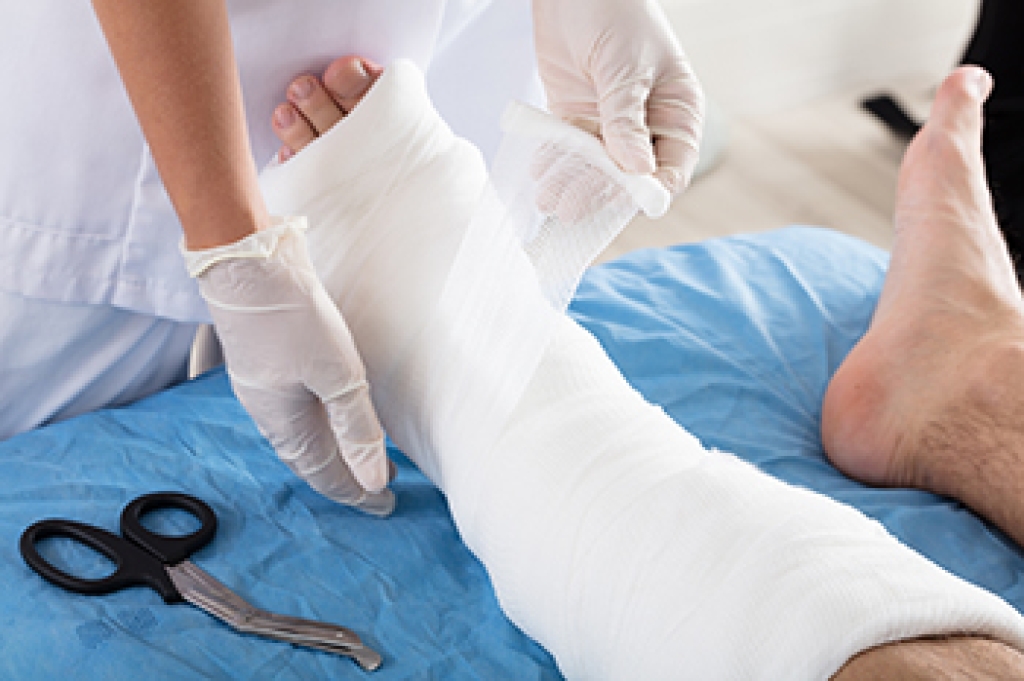
A total contact cast can be used to help patients with diabetic foot ulcers heal more effectively. This specialized cast, made of plaster or fiberglass, is molded to conform closely to the contours of the foot and lower leg. By distributing your weight evenly along the entire sole, the total contact cast reduces localized pressure on the ulcer site. A layer of soft foam below the ulcer further reduces pressure, helping to protect the sore and promote healing. Total contact casts are typically used when neuropathy is present, a complication of diabetes that causes reduced sensation in the feet. This loss of feeling can make it difficult to detect minor injuries, which can quickly progress into serious ulcers. By restricting unnecessary movement and limiting pressure on the ulcer, the cast supports faster healing, often within several weeks. A podiatrist monitors the progress by replacing the cast weekly and checking for complications. If you suffer from diabetic foot ulcers, it is suggested that you schedule an appointment with a podiatrist for ongoing treatment.

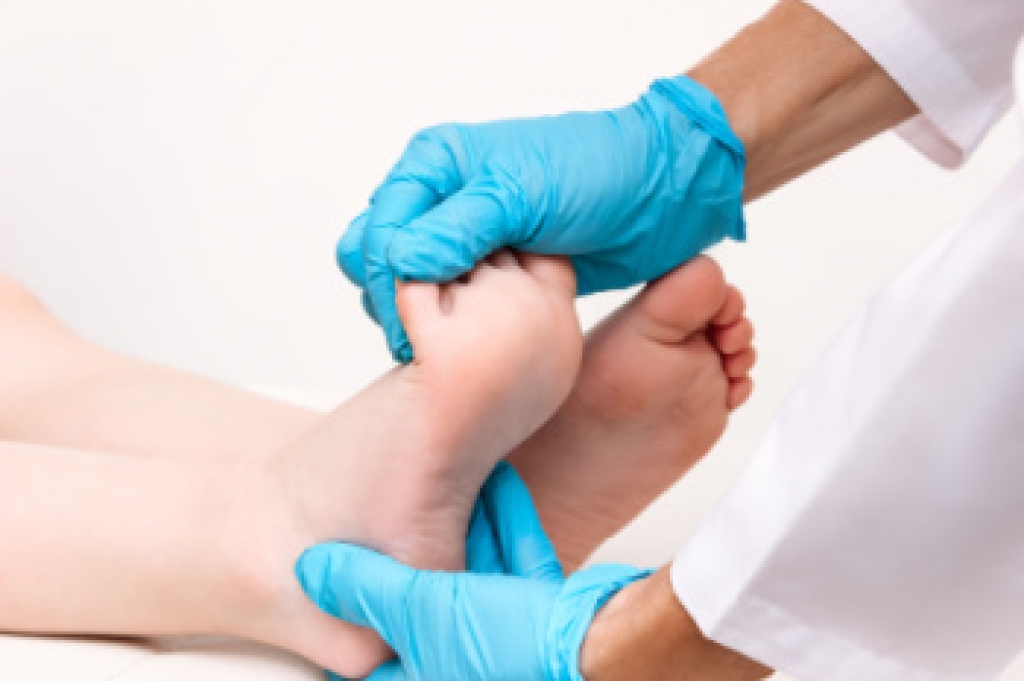
Diabetic foot care is important in preventing foot ailments such as ulcers. If you are suffering from diabetes or have any other concerns about your feet, contact Gary Saphire, DPM from Parkway Podiatry. Our doctor can provide the care you need to keep you pain-free and on your feet.

Diabetic Foot Care

Diabetes affects millions of people every year. The condition can damage blood vessels in many parts of the body, especially the feet. Because of this, taking care of your feet is essential if you have diabetes, and having a podiatrist help monitor your foot health is highly recommended.

The Importance of Caring for Your Feet

  • Routinely inspect your feet for bruises or sores.
  • Wear socks that fit your feet comfortably.
  • Wear comfortable shoes that provide adequate support.

Patients with diabetes should have their doctor monitor their blood levels, as blood sugar levels play such a huge role in diabetic care. Monitoring these levels on a regular basis is highly advised.

It is always best to inform your healthcare professional of any concerns you may have regarding your feet, especially for diabetic patients. Early treatment and routine foot examinations are keys to maintaining proper health, especially because severe complications can arise if proper treatment is not applied.

If you have any questions, please feel free to contact our office located in Brooklyn, NY . We offer the newest diagnostic and treatment technologies for all your foot care needs.
Read more about Diabetic Foot Conditions

Managng Plantar Fasciitis

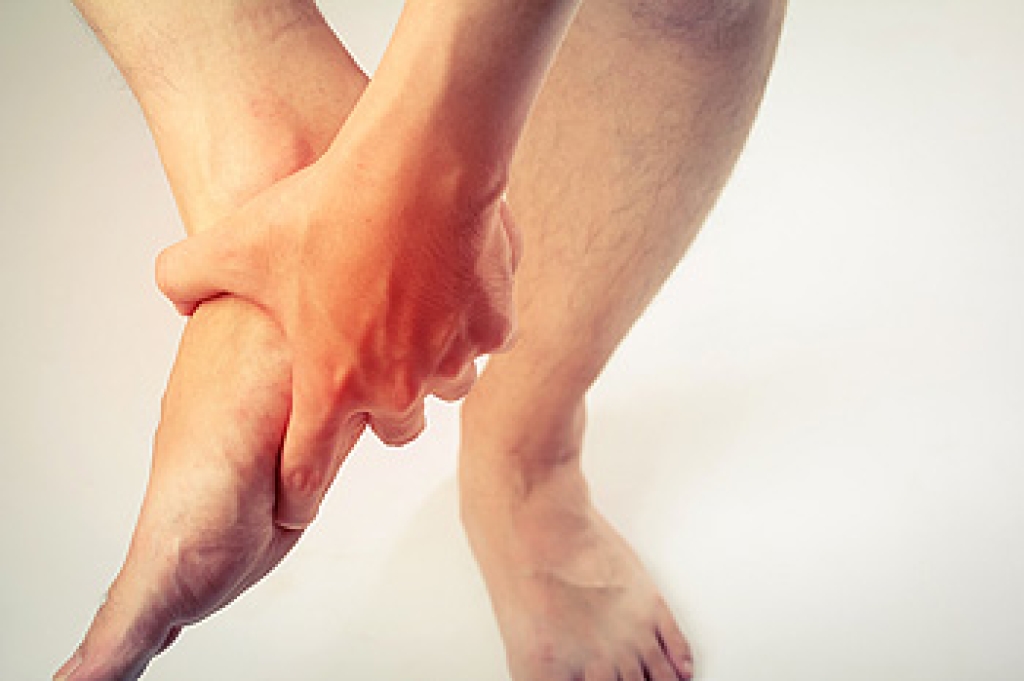
Plantar fasciitis is one of the most common causes of heel pain, affecting people of all ages. It occurs when the plantar fascia, the thick band of tissue running along the bottom of your foot, becomes inflamed. Causes include overuse, wearing poor footwear, high-impact activities, or having either flat feet or high arches. Symptoms typically include a sharp, stabbing pain in the heel, especially with the first steps in the morning or after long periods of rest. The pain often improves with movement, but may return after standing or walking for long periods of time. A podiatrist can help by diagnosing the condition through a physical exam and imaging. Treatment includes custom orthotics, stretching exercises, a night splint, or anti-inflammatory medication. In some cases, injections, or even surgery, may be recommended to reduce inflammation and promote healing. If you have this condition, it is suggested that you schedule an appointment with a podiatrist for appropriate treatment.

Plantar fasciitis is a common foot condition that is often caused by a strain injury. If you are experiencing heel pain or symptoms of plantar fasciitis, contact Gary Saphire, DPM from Parkway Podiatry. Our doctor can provide the care you need to keep you pain-free and on your feet.

What Is Plantar Fasciitis?

Plantar fasciitis is one of the most common causes of heel pain. The plantar fascia is a ligament that connects your heel to the front of your foot. When this ligament becomes inflamed, plantar fasciitis is the result. If you have plantar fasciitis you will have a stabbing pain that usually occurs with your first steps in the morning. As the day progresses and you walk around more, this pain will start to disappear, but it will return after long periods of standing or sitting.

What Causes Plantar Fasciitis?

  • Excessive running
  • Having high arches in your feet
  • Other foot issues such as flat feet
  • Pregnancy (due to the sudden weight gain)
  • Being on your feet very often

There are some risk factors that may make you more likely to develop plantar fasciitis compared to others. The condition most commonly affects adults between the ages of 40 and 60. It also tends to affect people who are obese because the extra pounds result in extra stress being placed on the plantar fascia.

Prevention

  • Take good care of your feet – Wear shoes that have good arch support and heel cushioning.
  • Maintain a healthy weight
  • If you are a runner, alternate running with other sports that won’t cause heel pain

There are a variety of treatment options available for plantar fasciitis along with the pain that accompanies it. Additionally, physical therapy is a very important component in the treatment process. It is important that you meet with your podiatrist to determine which treatment option is best for you.

If you have any questions, please feel free to contact our office located in Brooklyn, NY . We offer the newest diagnostic and treatment technologies for all your foot care needs.

 

Read more about Plantar Fasciitis

Common Foot Conditions in Children

Many children have differences in how their feet look or move as they grow. Some common lower extremity abnormalities include flat feet, in-toeing, or feet turning inward, and out-toeing, or feet turning outward. Most of these conditions are normal in young children and often improve with time as the bones and muscles develop. A podiatrist will check how your child stands, walks, and moves to see if the condition is part of typical growth or if it needs treatment. In some cases, special shoes, exercises, or braces may help. Rarely, further testing or treatment is needed if the problem causes pain or limits activity. Regular check-ups can help make sure your child’s feet are developing properly. If you notice unusual walking patterns or your child is in pain, it is suggested that you see a podiatrist for an evaluation.

Making sure that your children maintain good foot health is very important as they grow. If you have any questions, contact Gary Saphire, DPM of Parkway Podiatry. Our doctor can provide the care you need to keep you pain-free and on your feet.

Keeping Children's Feet Healthy

Having healthy feet during childhood can help prevent medical problems later in life, namely in the back and legs. As children grow, their feet require different types of care. Here are some things to consider...

Although babies do not walk yet, it is still very important to take care of their feet.

Avoid putting tight shoes or socks on his or her feet.

Allow the baby to stretch and kick his or her feet to feel comfortable.

As a toddler, kids are now on the move and begin to develop differently. At this age, toddlers are getting a feel for walking, so don’t be alarmed if your toddler is unsteady or ‘walks funny’. 

As your child gets older, it is important to teach them how to take care of their feet.

Show them proper hygiene to prevent infections such as fungus.

Be watchful for any pain or injury.

Have all injuries checked by a doctor as soon as possible.

Comfortable, protective shoes should always be worn, especially at play.

If you have any questions, please feel free to contact our office located in Brooklyn, NY . We offer the newest diagnostic and treatment technologies for all your foot care needs.

Read more about What to Do to Keep Your Child’s Feet Healthy

Keep Your Feet Healthy So You Can Stay Active

Have your feet inspected by a professional before starting a new sport or physical activity. Taking charge of your foot health will keep you in good physical condition and can help you avoid a potential injury, such as a fracture or sprained ankle.

Prevent injuries and see a foot specialist.

scroll to top