Like us on facebook
Follow us on twitter
review us on google

Why Feet Hurt From Skateboarding

Skateboarding places a significant amount of stress on the feet, which can lead to pain and discomfort. The most vulnerable areas include the heels, arches, and toes. The repetitive impact from jumping, landing, and pushing can cause bruising and strain, especially if the feet are not properly supported. The constant shifting of weight and pressure on different parts of the foot, combined with high-impact landings, can lead to stress fractures, sprains, or overuse injuries. When skateboarding, the feet move in various ways, including flexing, extending, and twisting, as skateboarders perform tricks and maneuvers. This dynamic movement puts pressure on the muscles, ligaments, and tendons in the feet, increasing the risk of injury. If you have sustained a foot injury while skateboarding, it is suggested that you consult a podiatrist who can treat various foot conditions.

Sports related foot and ankle injuries require proper treatment before players can go back to their regular routines. For more information, contact Gary Saphire, DPM of Parkway Podiatry. Our doctor can provide the care you need to keep you pain-free and on your feet.

Sports Related Foot and Ankle Injuries

Foot and ankle injuries are a common occurrence when it comes to athletes of any sport. While many athletes dismiss the initial aches and pains, the truth is that ignoring potential foot and ankle injuries can lead to serious problems. As athletes continue to place pressure and strain the area further, a mild injury can turn into something as serious as a rupture and may lead to a permanent disability. There are many factors that contribute to sports related foot and ankle injuries, which include failure to warm up properly, not providing support or wearing bad footwear. Common injuries and conditions athletes face, including:

  • Plantar Fasciitis
  • Achilles Tendinitis
  • Achilles Tendon Rupture
  • Ankle Sprains

Sports related injuries are commonly treated using the RICE method. This includes rest, applying ice to the injured area, compression and elevating the ankle. More serious sprains and injuries may require surgery, which could include arthroscopic and reconstructive surgery. Rehabilitation and therapy may also be required in order to get any recovering athlete to become fully functional again. Any unusual aches and pains an athlete sustains must be evaluated by a licensed, reputable medical professional.

If you have any questions please contact our office located in Brooklyn, NY . We offer the newest diagnostic and treatment technologies for all your foot and ankle needs.
Read more about Sports Related Foot And Ankle Injuries

Heel Pain Causes and Risk Factors

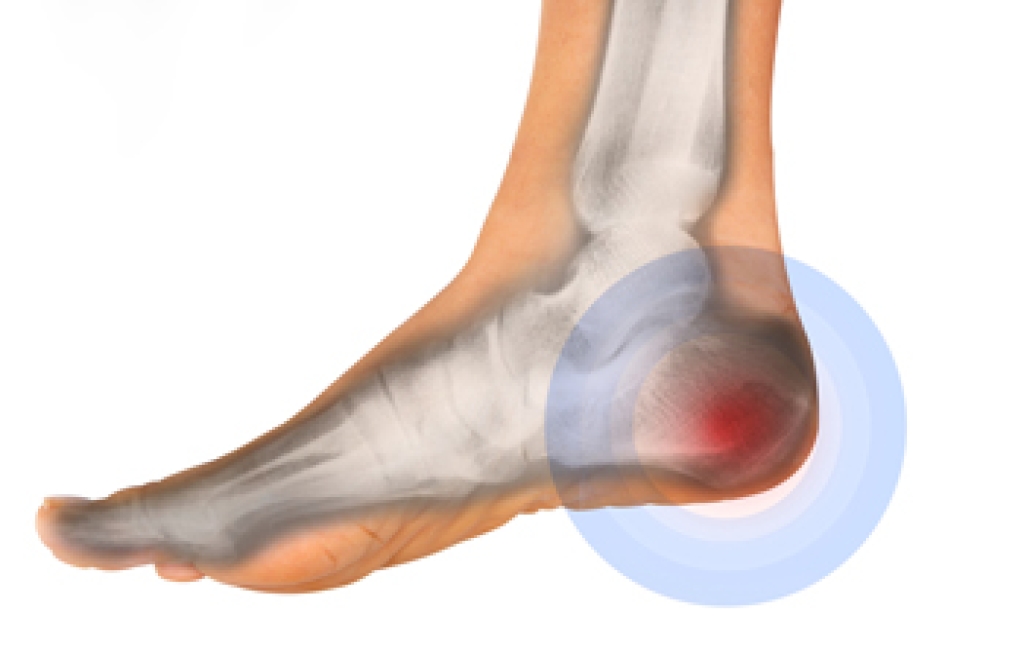
Heel pain can be caused by a variety of factors that place stress on the structures of the foot, particularly the heel bone, muscles, and ligaments. Some common causes of heel pain include abnormal walking patterns, obesity, wearing ill-fitting footwear, and prolonged standing or activities on hard surfaces. Physically active people, middle-aged adults, pregnant women, and those with arthritis or diabetes are at greater risk. Heel pain may also result from injuries like stress fractures, inflammation of soft tissues such as bursitis, or nerve issues like neuromas. Complications can include plantar fasciitis, where the connective tissue along the sole becomes inflamed, and heel spurs, which are calcified growths linked to chronic strain. A podiatrist can determine the cause of heel pain, identify contributing factors like gait abnormalities, and recommend treatment, such as custom orthotics or adjustments to footwear. If you are experiencing heel pain, it is suggested that you schedule an appointment with a podiatrist for a diagnosis and treatment options.

Many people suffer from bouts of heel pain. For more information, contact Gary Saphire, DPM of Parkway Podiatry. Our doctor can provide the care you need to keep you pain-free and on your feet.

Causes of Heel Pain

Heel pain is often associated with plantar fasciitis. The plantar fascia is a band of tissues that extends along the bottom of the foot. A rip or tear in this ligament can cause inflammation of the tissue.

Achilles tendonitis is another cause of heel pain. Inflammation of the Achilles tendon will cause pain from fractures and muscle tearing. Lack of flexibility is also another symptom.

Heel spurs are another cause of pain. When the tissues of the plantar fascia undergo a great deal of stress, it can lead to ligament separation from the heel bone, causing heel spurs.

Why Might Heel Pain Occur?

  • Wearing ill-fitting shoes                
  • Wearing non-supportive shoes
  • Weight change           
  • Excessive running

Treatments

Heel pain should be treated as soon as possible for immediate results. Keeping your feet in a stress-free environment will help. If you suffer from Achilles tendonitis or plantar fasciitis, applying ice will reduce the swelling. Stretching before an exercise like running will help the muscles. Using all these tips will help make heel pain a condition of the past.

If you have any questions, please feel free to contact our office located in Brooklyn, NY . We offer the newest diagnostic and treatment technologies for all your foot care needs.

Read more about Heel Pain

Proper Use of a Cane Can Prevent Falling

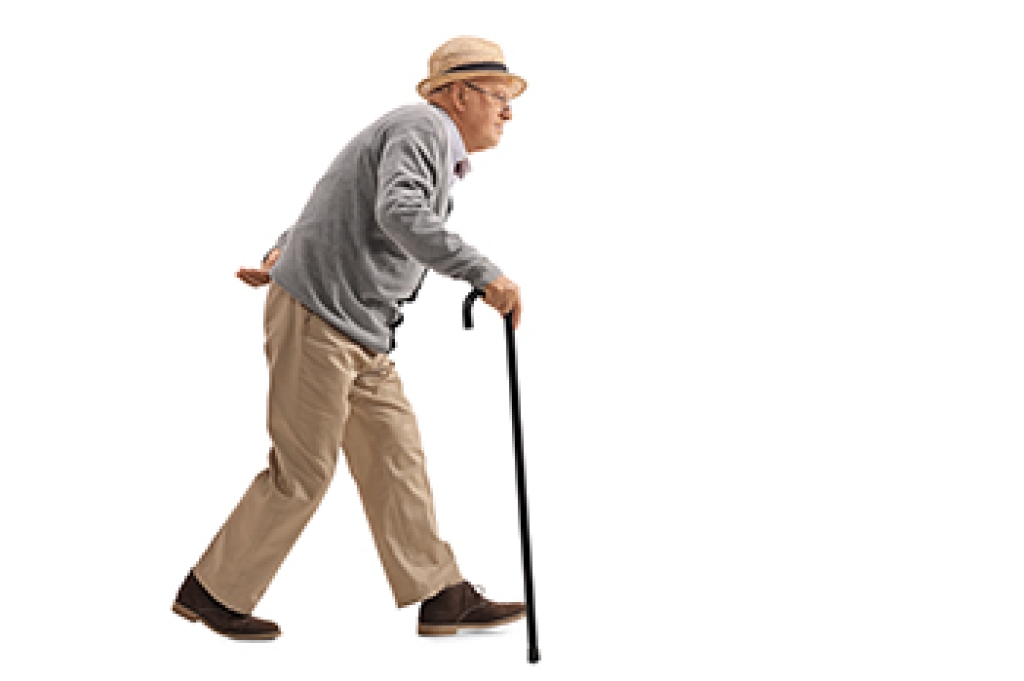
Conditions such as balance issues, ankle instability, or pain from injuries can make walking challenging, increasing the risk of falls. Using a cane can help provide stability and reduce pressure on the affected area. When using a cane, the most effective approach is to hold it in the hand opposite the injured foot, allowing the cane and the affected leg to work together for better support. For example, if the right ankle is in pain, holding the cane in the left hand and stepping forward with both the left hand and the right foot simultaneously creates a more balanced and natural gait. This method minimizes strain on the affected foot and helps prevent altered walking mechanics that could lead to back or hip discomfort. A podiatrist can provide guidance on proper cane usage and evaluate underlying foot or ankle conditions to address pain and improve mobility. If you have fallen and have injured your feet, it is suggested that you schedule an appointment with a podiatrist.

Preventing falls among the elderly is very important. If you are older and have fallen or fear that you are prone to falling, consult with Gary Saphire, DPM from Parkway Podiatry. Our doctor will assess your condition and provide you with quality advice and care.

Every 11 seconds, an elderly American is being treated in an emergency room for a fall related injury. Falls are the leading cause of head and hip injuries for those 65 and older. Due to decreases in strength, balance, senses, and lack of awareness, elderly persons are very susceptible to falling. Thankfully, there are a number of things older persons can do to prevent falls.

How to Prevent Falls

Some effective methods that older persons can do to prevent falls include:

  • Enrolling in strength and balance exercise program to increase balance and strength
  • Periodically having your sight and hearing checked
  • Discuss any medications you have with a doctor to see if it increases the risk of falling
  • Clearing the house of falling hazards and installing devices like grab bars and railings
  • Utilizing a walker or cane
  • Wearing shoes that provide good support and cushioning
  • Talking to family members about falling and increasing awareness

Falling can be a traumatic and embarrassing experience for elderly persons; this can make them less willing to leave the house, and less willing to talk to someone about their fears of falling. Doing such things, however, will increase the likelihood of tripping or losing one’s balance. Knowing the causes of falling and how to prevent them is the best way to mitigate the risk of serious injury.  

If you have any questions, please feel free to contact our office located in Brooklyn, NY . We offer the newest diagnostic and treatment technologies for all your foot care needs.

Read more about Falls Prevention

Heel Pain Can Be Treated!

Do you suffer from heel pain when you get up in the morning? If so, you should seek professional help and have a proper diagnosis performed. Heel pain can be caused by several different foot-related conditions.

Runner’s Nails

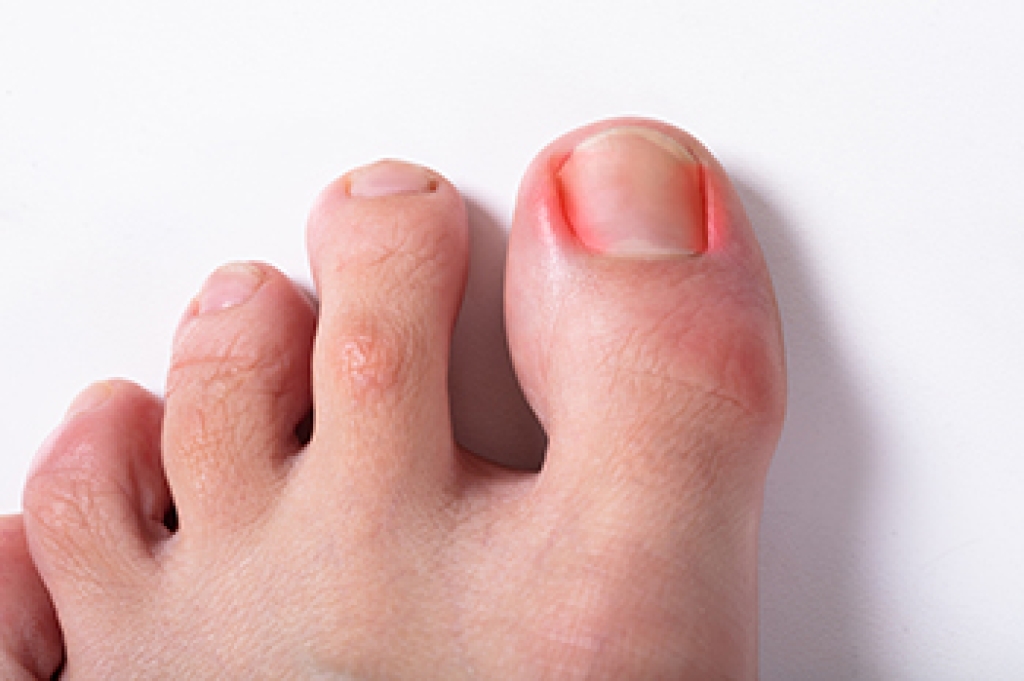
Young runners often face nail issues like inconsistent thickness or ingrown toenails due to repetitive pressure and friction from training. Running, especially over long distances, places stress on the toes as they repeatedly hit the front of the shoe. This pressure can cause nails to thicken unevenly, making them brittle or prone to splitting. Ingrown toenails, where the nail grows into the surrounding skin, often result from wearing tight or poorly fitted shoes or improper trimming techniques. These conditions can lead to pain, swelling, or infection, impacting performance and comfort. Maintaining consistent nail care, such as trimming straight across and ensuring proper shoe fit, helps prevent these problems. If you are a young runner experiencing persistent toenail pain or ingrown toenails, it is suggested that you schedule an appointment with a podiatrist for individualized treatment.

Ingrown toenails can become painful if they are not treated properly. For more information about ingrown toenails, contact Gary Saphire, DPM of Parkway Podiatry. Our doctor can provide the care you need to keep you pain-free and on your feet.

Ingrown Toenails

Ingrown toenails occur when a toenail grows sideways into the bed of the nail, causing pain, swelling, and possibly infection.

Causes

  • Bacterial infections
  • Improper nail cutting such as cutting it too short or not straight across
  • Trauma to the toe, such as stubbing, which causes the nail to grow back irregularly
  • Ill-fitting shoes that bunch the toes too close together
  • Genetic predisposition

Prevention

Because ingrown toenails are not something found outside of shoe-wearing cultures, going barefoot as often as possible will decrease the likeliness of developing ingrown toenails. Wearing proper fitting shoes and using proper cutting techniques will also help decrease your risk of developing ingrown toenails.

Treatment

Ingrown toenails are a very treatable foot condition. In minor cases, soaking the affected area in salt or antibacterial soaps will not only help with the ingrown nail itself, but also help prevent any infections from occurring. In more severe cases, surgery is an option. In either case, speaking to your podiatrist about this condition will help you get a better understanding of specific treatment options that are right for you.

If you have any questions, please feel free to contact our office located in Brooklyn, NY . We offer the newest diagnostic and treatment technologies for all your foot care needs.

Read more about Ingrown Toenail Care
scroll to top