Like us on facebook
Follow us on twitter
review us on google

Common Symptoms of a Broken Toe

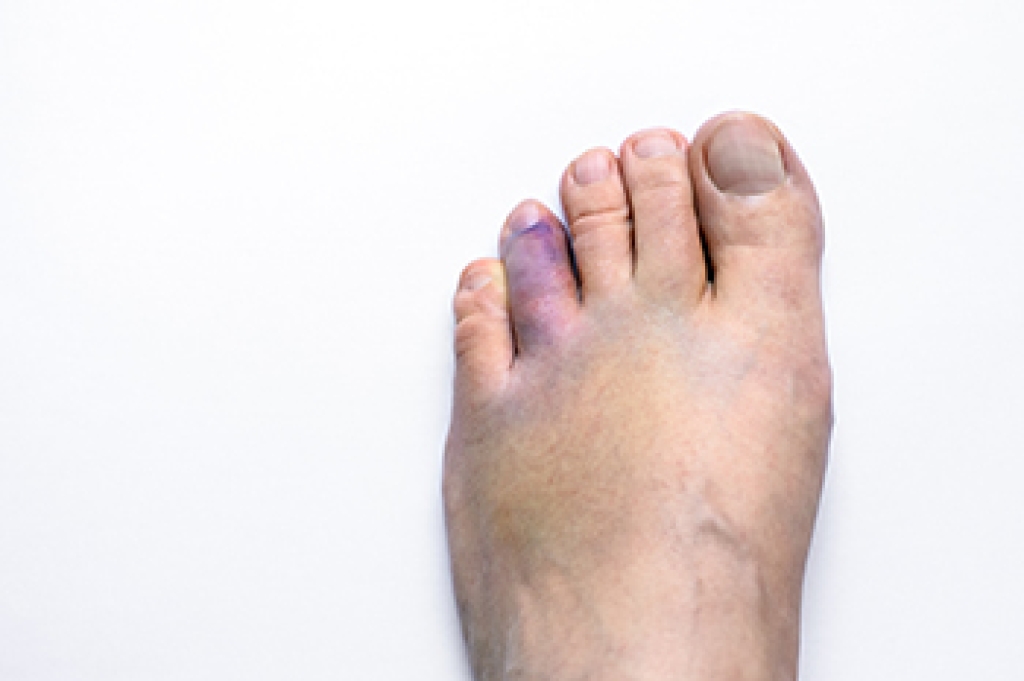
The majority of people experience immediate symptoms when they break a toe. There is often bruising, swelling, and it can be difficult to walk. It can happen for various reasons, including a heavy object dropping on it, or if it stubbed into a piece of furniture. Additionally, falling may cause a toe to break, and people who have osteoporosis may be more susceptible to sustaining this type of injury. If the toe is severely broken, a protruding bone from the toe may cause it to look deformed. This type of fracture requires prompt medical attention, and surgery may be necessary to heal and restore the toe to its normal position. A diagnosis generally consists of having an X-ray taken, and this can help to determine the severity of the fracture. Mildly broken toes can be treated by using the buddy taping method. This is done by taping the affected toe to the toe next to it. If you have broken your toe, it is suggested that you confer with a podiatrist who can guide you toward the treatment option that is right for you.

A broken toe can be very painful and lead to complications if not properly fixed. If you have any concerns about your feet, contact Gary Saphire, DPM from Parkway Podiatry. Our doctor will treat your foot and ankle needs.

What to Know About a Broken Toe

Although most people try to avoid foot trauma such as banging, stubbing, or dropping heavy objects on their feet, the unfortunate fact is that it is a common occurrence. Given the fact that toes are positioned in front of the feet, they typically sustain the brunt of such trauma. When trauma occurs to a toe, the result can be a painful break (fracture).

Symptoms of a Broken Toe

  • Throbbing pain
  • Swelling
  • Bruising on the skin and toenail
  • The inability to move the toe
  • Toe appears crooked or disfigured
  • Tingling or numbness in the toe

Generally, it is best to stay off of the injured toe with the affected foot elevated.

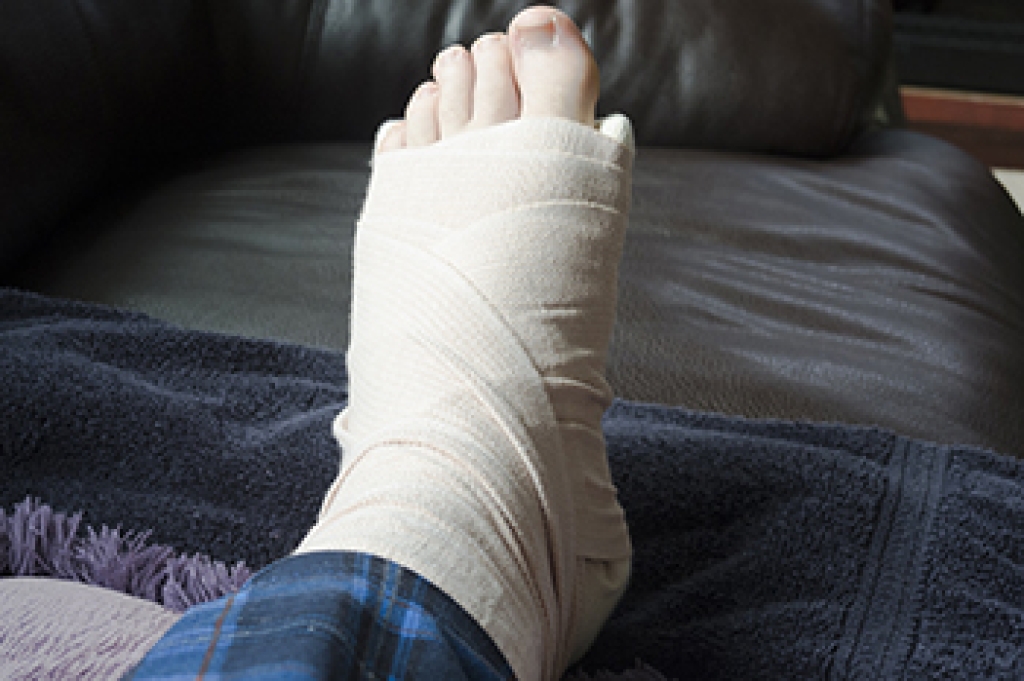
Severe toe fractures may be treated with a splint, cast, and in some cases, minor surgery. Due to its position and the pressure it endures with daily activity, future complications can occur if the big toe is not properly treated.

If you have any questions, please feel free to contact our office located in Brooklyn, NY . We offer the newest diagnostic and treatment technologies for all your foot care needs.

Read more about What to Know About a Broken Toe

Broken Foot Temperature Change

Broken feet, or fractured feet, can produce a variety of different symptoms in an individual. For example, there may be swelling or pain at the affected location. However, one interesting symptom associated with broken feet is a change in temperature. Specifically, some individuals who have broken their foot may notice that the affected area feels hot or warm. This is not an uncommon symptom of having a broken foot. If the broken foot is warm, it is also possible that it might also feel tender to the touch. Sometimes, a warm sensation is even accompanied by discoloration and specifically redness. If you have fractured your foot, it is suggested that you seek immediate attention from a podiatrist.

A broken foot requires immediate medical attention and treatment. If you need your feet checked, contact Gary Saphire, DPM from Parkway Podiatry. Our doctor can provide the care you need to keep you pain-free and on your feet.

Broken Foot Causes, Symptoms, and Treatment

A broken foot is caused by one of the bones in the foot typically breaking when bended, crushed, or stretched beyond its natural capabilities. Usually the location of the fracture indicates how the break occurred, whether it was through an object, fall, or any other type of injury. 

Common Symptoms of Broken Feet:

  • Bruising
  • Pain
  • Redness
  • Swelling
  • Blue in color
  • Numbness
  • Cold
  • Misshapen
  • Cuts
  • Deformities

Those that suspect they have a broken foot shoot seek urgent medical attention where a medical professional could diagnose the severity.

Treatment for broken bones varies depending on the cause, severity and location. Some will require the use of splints, casts or crutches while others could even involve surgery to repair the broken bones. Personal care includes the use of ice and keeping the foot stabilized and elevated.

If you have any questions, please feel free to contact our office located in Brooklyn, NY . We offer the newest diagnostic and treatment technologies for all your foot care needs.

Read more about Causes, Symptoms, and Treatment for a Broken Foot

What Can Cause Plantar Fasciitis?

The plantar fascia is found on the bottom of the foot. It is a long portion of tissue that connects the heel to the toes and can become quite painful if it becomes irritated. A heel injury or gradual wear and tear may lead to developing plantar fasciitis. This foot condition is defined as inflammation or tears that happen to the plantar fascia, which can occur from wearing shoes that do not have adequate cushioning in the heel area. It can also happen to people who stand on hard or uneven surfaces for most of the day, causing excess pressure on the heel and surrounding areas. Many people enjoy running and jogging, and it is helpful to be aware of how this can negatively impact the heels. Pregnant women may develop plantar fasciitis, as a result of the added weight the feet must endure. Temporary relief may be found when the affected foot is elevated, and walking is kept to a minimum. A podiatrist is a specialist that can effectively treat plantar fasciitis, and it is suggested that you contact this type of doctor who can offer you the treatment option that is best for you.

Plantar fasciitis can be very painful and inconvenient. If you are experiencing heel pain or symptoms of plantar fasciitis, contact Gary Saphire, DPM  from Parkway Podiatry. Our doctor can provide the care you need to keep you pain-free and on your feet.

What Is Plantar Fasciitis?

Plantar fasciitis is the inflammation of the thick band of tissue that runs along the bottom of your foot, known as the plantar fascia, and causes mild to severe heel pain.

What Causes Plantar Fasciitis?

  • Excessive running
  • Non-supportive shoes
  • Overpronation
  • Repeated stretching and tearing of the plantar fascia

How Can It Be Treated?

  • Conservative measures – anti-inflammatories, ice packs, stretching exercises, physical therapy, orthotic devices
  • Shockwave therapy – sound waves are sent to the affected area to facilitate healing and are usually used for chronic cases of plantar fasciitis
  • Surgery – usually only used as a last resort when all else fails. The plantar fascia can be surgically detached from the heel

While very treatable, plantar fasciitis is definitely not something that should be ignored. Especially in severe cases, speaking to your doctor right away is highly recommended to avoid complications and severe heel pain. Your podiatrist can work with you to provide the appropriate treatment options tailored to your condition.

If you have any questions, please feel free to contact our office located in Brooklyn, NY . We offer the newest diagnostic and treatment technologies for all your foot care needs.
Read more about Plantar Fasciitis

We Can Treat Your Foot or Ankle Pain

Foot or ankle pain can negatively affect your day-to-day life and can occur due to several different conditions. Pain can also be an indicator of a more serious underlying condition, which is why you should seek professional help as soon as you notice any abnormalities in your feet.

Cracked Heels Treatment

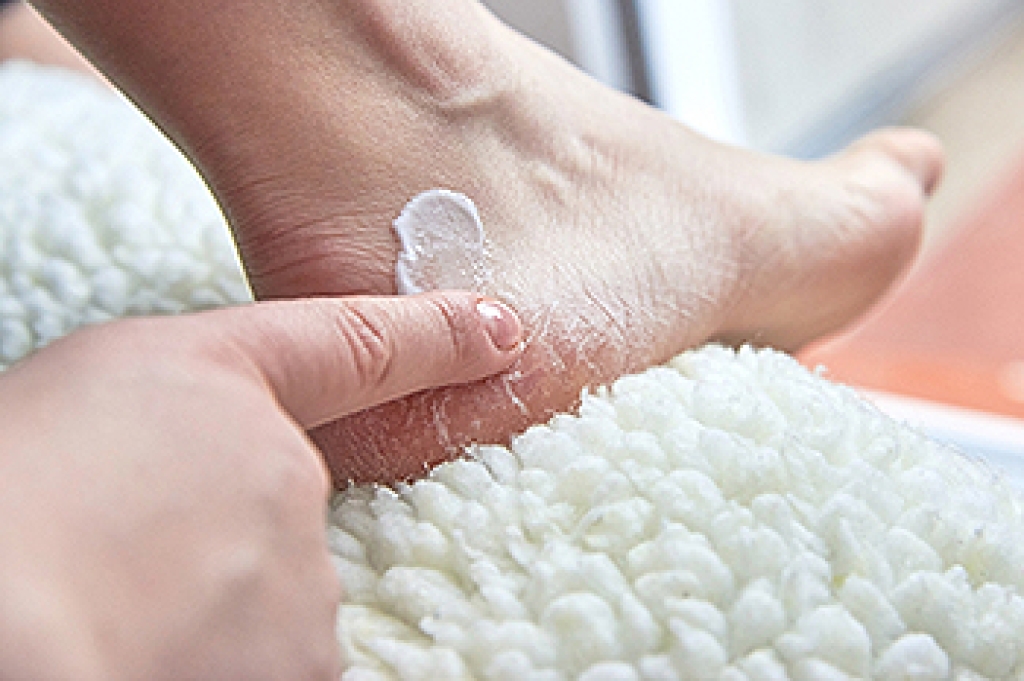
Having dry skin on the heels is common. It can lead to a foot condition that is known as cracked heels, and be quite uncomfortable. Untreated cracks in the skin can develop into fissures, which may bleed and become infected. The feet do not have oil glands, and they can dry out quicker than other parts of the body. Cracked heels can be caused by weaning shoes that have an open back, such as flip-flops or sandals. These types of shoes may put additional pressure on the heels' fat pads, and the skin may dry out. There may be existing medical conditions that can lead to developing cracked heels. These can include psoriasis, eczema, diabetes, or thyroid disorders. Mild relief may be found when the feet are frequently soaked in warm water, followed by removing any dead skin, which is referred to as exfoliating. Additionally, applying a good moisturizer may help the skin to feel soft and cause any dead skin to naturally fall off. If you have cracked heels, it is suggested that you confer with a podiatrist who can offer you additional treatment methods.

Cracked heels are unsightly and can cause further damage to your shoes and feet. If you have any concerns, contact Gary Saphire, DPM from Parkway Podiatry. Our doctor can provide the care you need to keep you pain-free and on your feet.

Cracked Heels

Cracked heels appear unappealing and can make it harder for you walk around in sandals. Aside from looking unpleasant, cracked heels can also tear stockings, socks, and wear out your shoes. There are several methods to help restore a cracked heel and prevent further damage.

How Do You Get Them?

Dry skin is the number one culprit in creating cracked heels. Many athletes, walkers, joggers, and even swimmers suffer from cracked heels. Age and skin oil production play a role to getting cracked heels as well.

Promote Healing

Over the counter medicines can help, especially for those that need instant relief or who suffer from chronic dry feet.

Wear Socks – Wearing socks with medicated creams helps lock in moisture.

Moisturizers – Applying both day and night will help alleviate dryness which causes cracking.

Pumice Stones – These exfoliate and remove dead skin, which allows for smoother moisturizer application and better absorption into the skin. 

Change in Diet

Eating healthy with a well-balanced diet will give the skin a fresh and radiant look. Your body responds to the kinds of food you ingest. Omega-3 fatty acids and zinc supplements can also revitalize skin tissue.

Most importantly, seek professional help if unsure how to proceed in treating cracked heels. A podiatrist will help you with any questions or information needed. 

If you have any questions, please feel free to contact our office located in Brooklyn, NY . We offer the newest diagnostic and treatment technologies for all your foot care needs.

Read more about Solutions for Cracked Heels
scroll to top