Like us on facebook
Follow us on twitter
review us on google

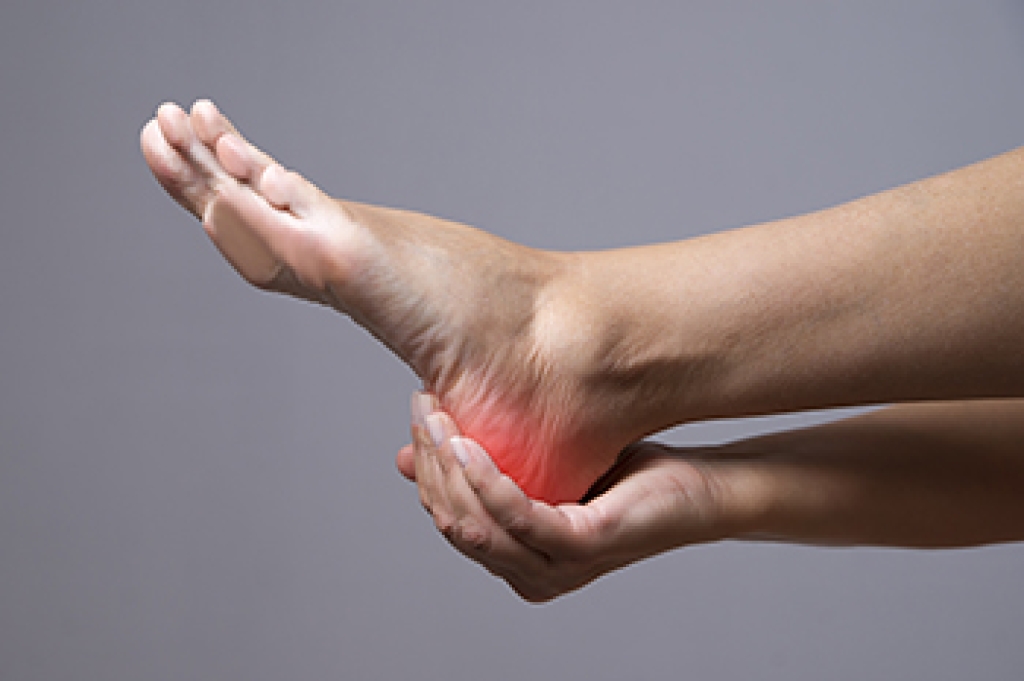
Stretches for Flat Feet

Stretching the feet as part of one’s everyday foot care routine can yield significant benefits. For example, stretching the feet can improve stability, flexibility, and mobility. However, certain groups of individuals stand to benefit even more from frequently stretching the feet. Namely, individuals living with a foot condition known as flat feet may notice positive results from performing foot stretches. The reason for this is that certain stretches can strengthen the arch of the foot, resulting in a potential reduction in pain. Therefore, individuals with flat feet may consider performing towel scrunches, toe extensions, and heel raises. If you are someone looking to improve the general health of your feet through foot stretches, it is suggested that you contact a podiatrist today for advice and treatment.

Stretching the feet is a great way to prevent injuries. If you have any concerns with your feet consult with Gary Saphire, DPM from Parkway Podiatry. Our doctor will assess your condition and provide you with quality foot and ankle treatment.

Stretching the Feet

Being the backbone of the body, the feet carry your entire weight and can easily become overexerted, causing cramps and pain. As with any body part, stretching your feet can serve many benefits. From increasing flexibility to even providing some pain relief, be sure to give your feet a stretch from time to time. This is especially important for athletes or anyone performing aerobic exercises, but anyone experiencing foot pain or is on their feet constantly should also engage in this practice.

Great ways to stretch your feet:

  • Crossing one leg over the others and carefully pull your toes back. Do 10-20 repetitions and repeat the process for each foot
  • Face a wall with your arms out and hands flat against the wall. Step back with one foot and keep it flat on the floor while moving the other leg forward. Lean towards the wall until you feel a stretch. Hold for 30 seconds and perform 10 repetitions for each foot
  • Be sure not to overextend or push your limbs too hard or you could risk pulling or straining your muscle

Individuals who tend to their feet by regular stretching every day should be able to minimize foot pain and prevent new problems from arising.

If you have any questions please contact our office located in Brooklyn, NY . We offer the newest diagnostic and treatment technologies for all your foot and ankle needs.
Read more about How to Stretch Your Feet

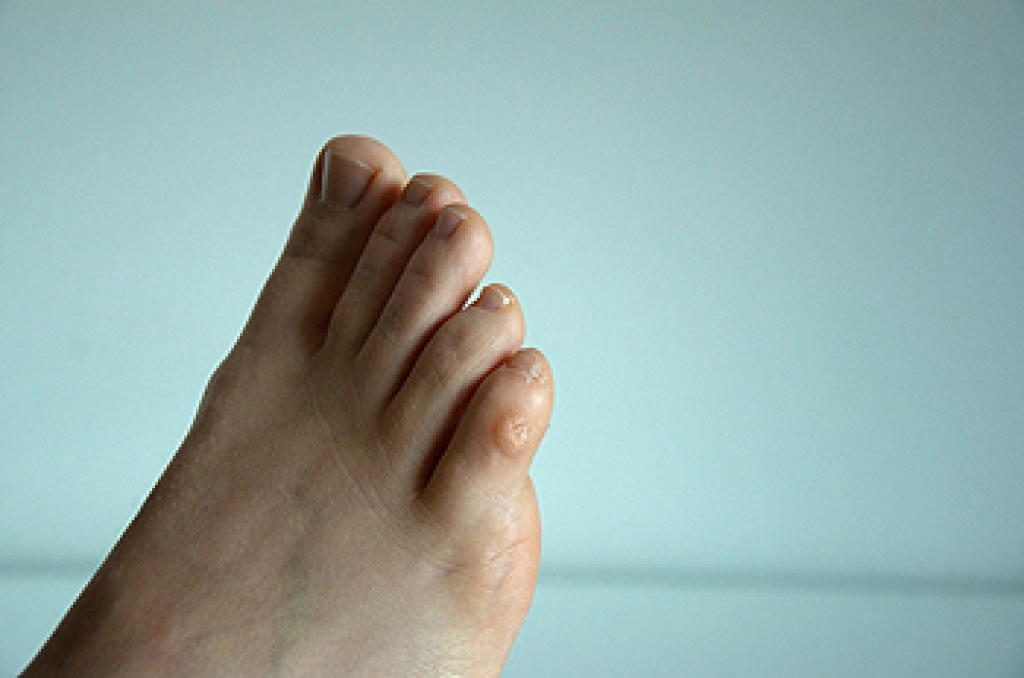
Causes and Treatment for Hammertoe

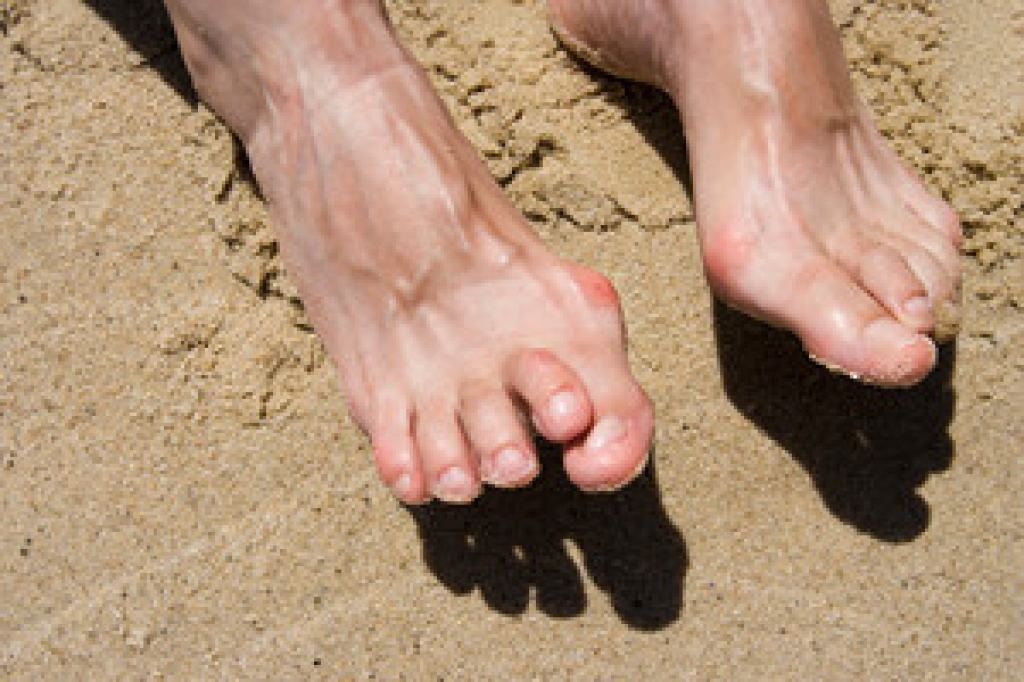
Hammertoe is a foot condition that is easy to notice. It affects the middle joints in the toes, and it causes them to rise up. Hammertoe is considered to be a deformity, and it may affect balance in the body. This muscle imbalance can cause pain while walking, and corns and calluses may form from the top of the toes rubbing against the shoe. There may be existing conditions that can cause hammertoe to develop. These can consist of bunions, flat feet, and diabetes. Additionally, the toes provide balance to the body, and the feet may work harder to maintain this in patients who have longer bones in their toes. Treatment can begin by wearing shoes that fit correctly and performing specific types of toe stretches. Wearing a cushioned pad on top of the affected toes may bring temporary relief. If you have hammertoe, it is suggested that you consult with a podiatrist who can provide permanent relief options, which may include surgery to straighten them. 

Hammertoe

Hammertoes can be a painful condition to live with. For more information, contact Gary Saphire, DPM from Parkway Podiatry. Our doctor will answer any of your foot- and ankle-related questions.

Hammertoe is a foot deformity that affects the joints of the second, third, fourth, or fifth toes of your feet. It is a painful foot condition in which these toes curl and arch up, which can often lead to pain when wearing footwear.

Symptoms

  • Pain in the affected toes
  • Development of corns or calluses due to friction
  • Inflammation
  • Redness
  • Contracture of the toes

Causes

Genetics – People who are genetically predisposed to hammertoe are often more susceptible

Arthritis – Because arthritis affects the joints in your toes, further deformities stemming from arthritis can occur

Trauma – Direct trauma to the toes could potentially lead to hammertoe

Ill-fitting shoes – Undue pressure on the front of the toes from ill-fitting shoes can potentially lead to the development of hammertoe

Treatment

Orthotics – Custom made inserts can be used to help relieve pressure placed on the toes and therefore relieve some of the pain associated with it

Medications – Oral medications such as anti-inflammatories or NSAIDs could be used to treat the pain and inflammation hammertoes causes. Injections of corticosteroids are also sometimes used

Surgery – In more severe cases where the hammertoes have become more rigid, foot surgery is a potential option

If you have any questions, please feel free to contact our office located in Brooklyn, NY . We offer the newest diagnostic and treatment technologies for all your foot care needs.

Read more about What Are Hammertoes?

Should Pregnant Women Wear New Shoes?

When a woman becomes pregnant, her body undergoes significant bodily changes that could negatively impact the health of her feet. During pregnancy, a woman’s feet can increase in size. Many pregnant women will often wonder whether they ought to wear new shoes during their pregnancy to accommodate this increase in the size of their feet. Some women will wear pregnancy shoes to better support their feet as they bring their baby to term. Pregnancy shoes of this kind can minimize pressure and pain. This type of shoe can also combat twists or sprains because it supports the ankle. Some pregnancy shoes are also designed without straps and laces to minimize the extent to which a pregnant woman would have to bend over to adjust the shoes. If you are pregnant or are planning on becoming pregnant, it is suggested that you are under the care of a podiatrist.  

Pregnant women with swollen feet can be treated with a variety of different methods that are readily available. For more information about other cures for swollen feet during pregnancy, consult with Gary Saphire, DPM from Parkway Podiatry. Our doctor will attend to all of your foot and ankle needs.

What Foot Problems Can Arise During Pregnancy?

One problem that can occur is overpronation, which occurs when the arch of the foot flattens and tends to roll inward.  This can cause pain and discomfort in your heels while you’re walking or even just standing up, trying to support your baby.  

Another problem is edema, or swelling in the extremities. This often affects the feet during pregnancy but tends to occur in the later stages. 

How Can I Keep My Feet Healthy During Pregnancy?

  • Wearing orthotics can provide extra support for the feet and help distribute weight evenly
  • Minimize the amount of time spent walking barefoot
  • Wear shoes with good arch support
  • Wear shoes that allow for good circulation to the feet
  • Elevate feet if you experience swelling
  • Massage your feet
  • Get regular, light exercise, such as walking, to promote blood circulation to the feet

If you have any questions, please feel free to contact our office located in Brooklyn, NY . We offer the newest diagnostic and treatment technologies for all your foot care needs.

Read more about Pregnancy and Foot Health

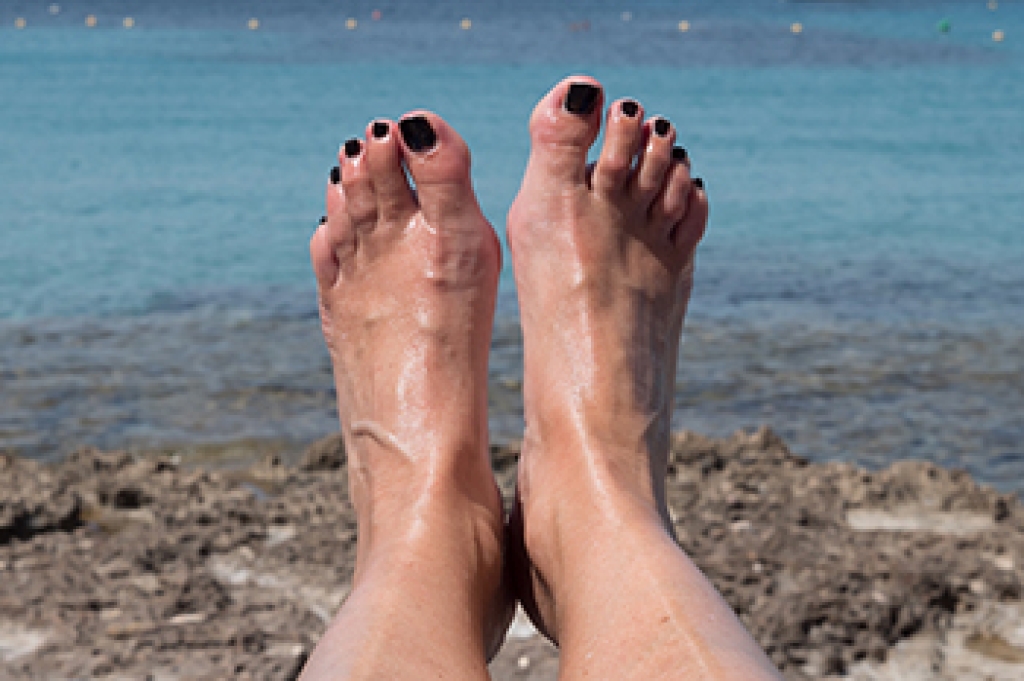
What Does Maffucci Syndrome Look Like?

There are a variety of rare foot conditions that might affect some individuals. For example, Maffucci syndrome is a rare foot condition. Many patients often ask podiatrists what the feet look like when they are affected by Maffucci syndrome. The answer is that the feet can become covered in growths that are characteristics of the condition. These growths are essentially known as multiple enchondromas, and they are ultimately made up of cartilage. If an individual has Maffucci syndrome, it is possible for it to be noticeable at birth. However, in other cases, the condition might not be noticeable until the age of 5. If you are someone that wants to learn more about Maffucci syndrome, then it is suggested that you contact a podiatrist today for more information.

Some foot conditions may require additional professional care. If you have any concerns, contact Gary Saphire, DPM of Parkway Podiatry. Our doctor can provide the care you need to keep you pain-free and on your feet.

Rare Foot Conditions

The majority of foot conditions are common and can be treated by a podiatrist.  Standard diagnostic procedures are generally used to identify specific conditions and treatment can be rendered. A podiatrist also treats rare foot conditions which can be difficult to diagnose and may need extra attention and care. 

There are many rare foot conditions that can affect children. Some of these can include:

  • Freiberg’s disease
  • Kohler’s disease
  • Maffucci syndrome

Freiberg’s disease - This can be seen as a deterioration and flattening of a metatarsal bone that exists in the ball of the foot. It typically affects pre-teen and teenage girls, but can affect anyone at any age. Symptoms that can accompany this can be swelling, stiffness, and the patient may limp. 

Kohler’s disease - This often targets the bone in the arch of the foot and affects younger boys. It can lead to an interruption of the blood supply which ultimately can lead to bone deterioration. The patient may limp or experience tenderness, swelling, and redness.

Maffucci syndrome - This affects the long bones in a child’s foot leading to the development of abnormal bone lesions. They are benign growths and typically develop in early childhood and the bones may be susceptible to breaking. 

A podiatrist can properly diagnose and treat all types of rare foot conditions. If your child is affected by any of these symptoms or conditions, please don’t hesitate to call our office so the correct treatment method can begin.

If you have any questions, please feel free to contact our office located in Brooklyn, NY . We offer the newest diagnostic and treatment technologies for all your foot care needs.

Read more about Rare Foot Conditions

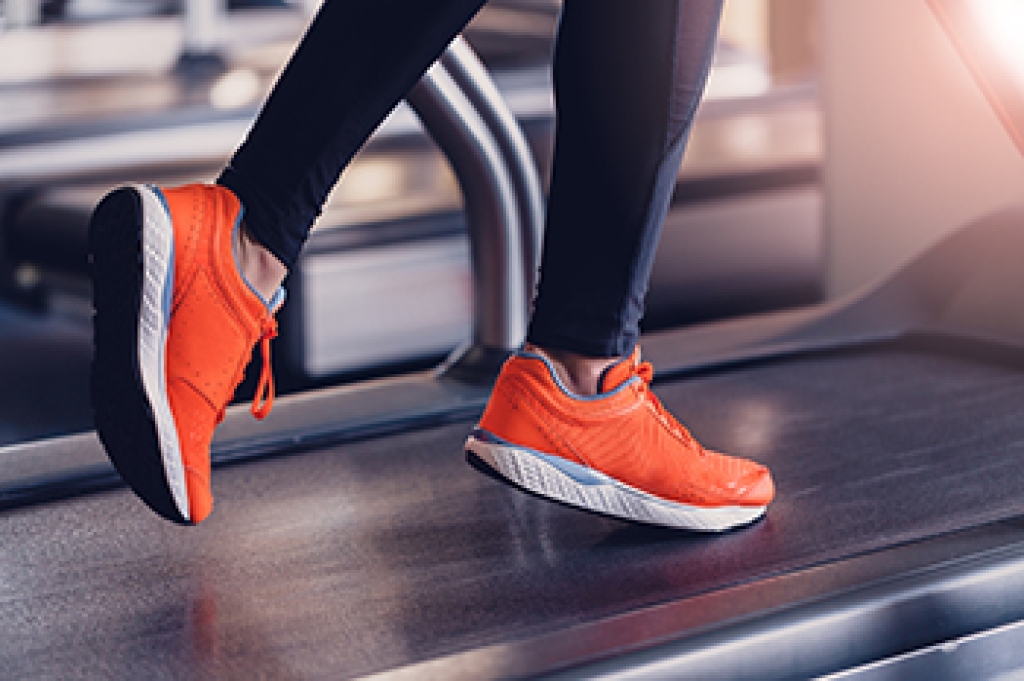
Running on Uneven Surfaces

Runners, both professional and recreational, need to take particular care of the health of their feet. If a runner is not taking certain measures, they might be putting themselves at risk of developing a foot injury or condition from running. One of the measures that runners may consider taking is running on even surfaces. When an individual chooses to run on uneven surfaces, the unbalanced surface can create an off-center force in the runner’s feet. As a result, a runner may be more likely to develop certain foot conditions such as tendonitis, joint inflammation or a fracture of the foot. If you are someone that frequently engages in running or similar physical activities, it is strongly suggested that you are under the care of a podiatrist. This foot specialist will be able to treat your foot conditions, and answer any questions you may have about running on uneven surfaces. 

All runners should take extra precaution when trying to avoid injury. If you have any concerns about your feet, contact Gary Saphire, DPM of Parkway Podiatry. Our doctor will treat your foot and ankle needs.

How to Prevent Running Injuries

There are a lot of mistakes a runner can make prior to a workout that can induce injury. A lot of athletes tend to overstretch before running, instead of saving those workouts for a post-run routine. Deep lunges and hand-to-toe hamstring pulls should be performed after a workout instead of during a warmup. Another common mistake is jumping into an intense routine before your body is physically prepared for it. You should try to ease your way into long-distance running instead of forcing yourself to rush into it.

More Tips for Preventing Injury

  • Incorporate Strength Training into Workouts - This will help improve the body’s overall athleticism
  • Improve and Maintain Your Flexibility – Stretching everyday will help improve overall performance
  • “Warm Up” Before Running and “Cool Down” Afterward – A warm up of 5-10 minutes helps get rid of lactic acid in the muscles and prevents delayed muscle soreness
  • Cross-Training is Crucial
  • Wear Proper Running Shoes
  • Have a Formal Gait Analysis – Poor biomechanics can easily cause injury

If you have any questions, please feel free to contact our office located in Brooklyn, NY . We offer the newest diagnostic and treatment technologies for all your foot care needs.

Read more about How to Prevent Running Injuries
scroll to top