Like us on facebook
Follow us on twitter
review us on google

Athletes and Cuboid Syndrome

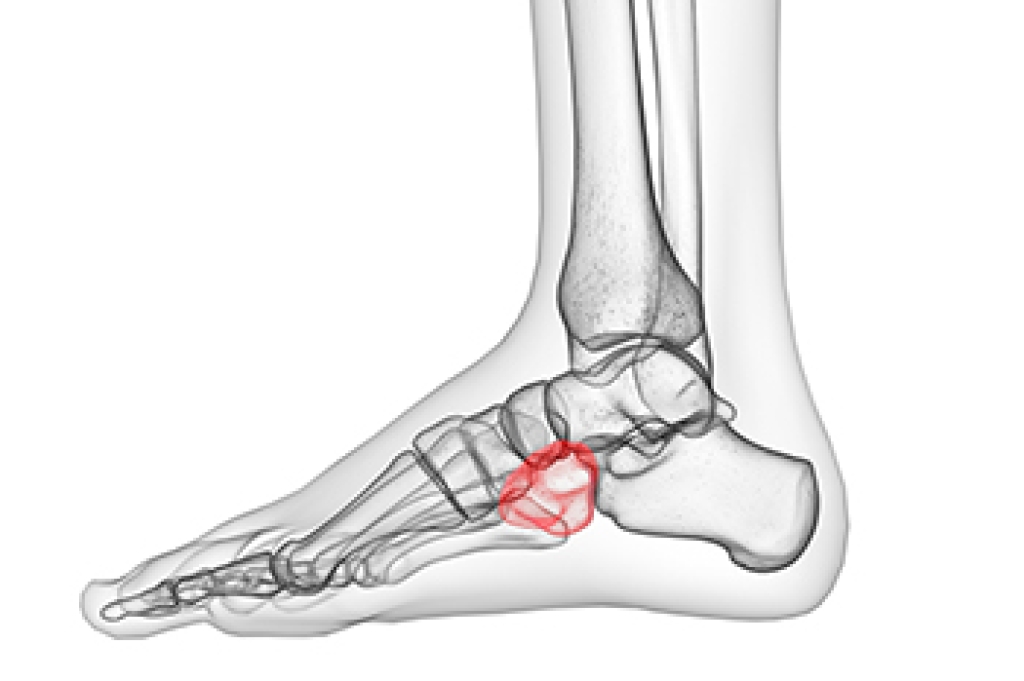
Cuboid syndrome is a foot condition where the cuboid bone in the lateral foot column slips out of place, causing pain and discomfort. It is often mistaken for other foot issues, necessitating a thorough evaluation. The syndrome primarily involves ligament sprains, not fractures or major sprains, and is typically linked to specific movements during activities such as sports or dancing. Symptoms can include significant pain, resembling a fracture, and an altered gait. Swelling and skin discoloration are usually absent, and X-rays may appear normal. Contributing factors include tight footwear, lateral heel wear, and rapid return to lateral-heavy sports after ankle sprains. Addressing biomechanical problems, correcting alignment, and using orthotic padding under the cuboid are often used in management. If you have lateral foot pain, it is suggested that you schedule an appointment with a podiatrist to determine whether you have cuboid syndrome or some other condition. Treatment to alleviate pain and expedite recovery will be provided.

Cuboid syndrome, also known as cuboid subluxation, occurs when the joints and ligaments near the cuboid bone in the foot become torn. If you have cuboid syndrome, consult with Gary Saphire, DPM from Parkway Podiatry. Our doctor will assess your condition and provide you with quality foot and ankle treatment.

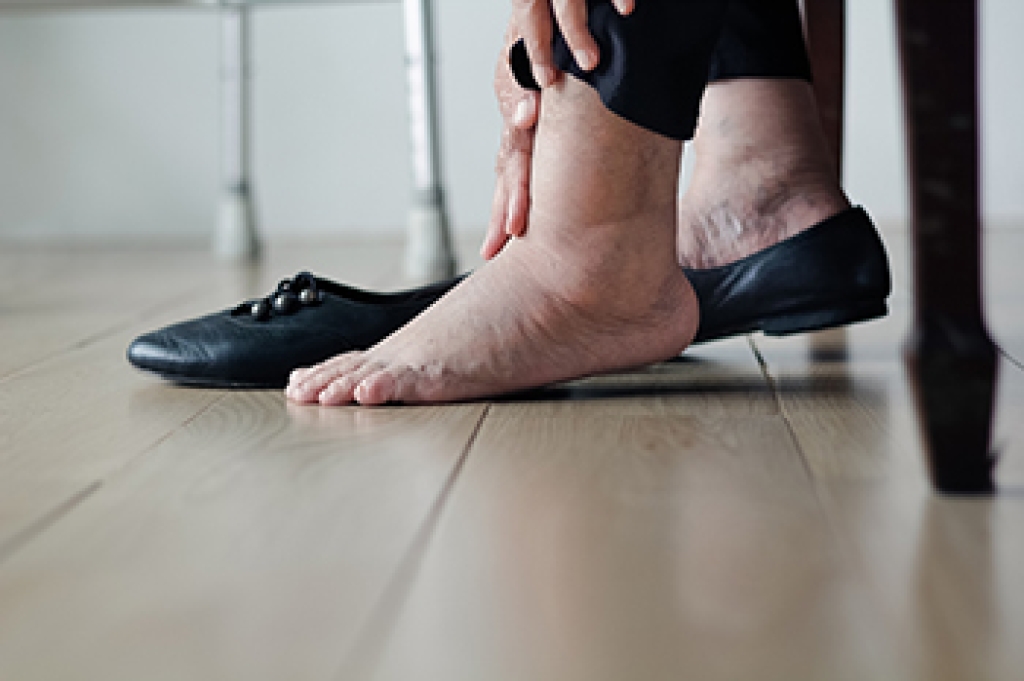
Cuboid syndrome is a common cause of lateral foot pain, which is pain on the outside of the foot. The condition may happen suddenly due to an ankle sprain, or it may develop slowly overtime from repetitive tension through the bone and surrounding structures.

Causes

The most common causes of cuboid syndrome include:

  • Injury – The most common cause of this ailment is an ankle sprain.
  • Repetitive Strain – Tension placed through the peroneus longus muscle from repetitive activities such as jumping and running may cause excessive traction on the bone causing it to sublux.
  • Altered Foot Biomechanics – Most people suffering from cuboid subluxation have flat feet.

Symptoms

A common symptom of cuboid syndrome is pain along the outside of the foot which can be felt in the ankle and toes. This pain may create walking difficulties and may cause those with the condition to walk with a limp.

Diagnosis

Diagnosis of cuboid syndrome is often difficult, and it is often misdiagnosed. X-rays, MRIs and CT scans often fail to properly show the cuboid subluxation. Although there isn’t a specific test used to diagnose cuboid syndrome, your podiatrist will usually check if pain is felt while pressing firmly on the cuboid bone of your foot.

Treatment

Just as the range of causes varies widely, so do treatments. Some more common treatments are ice therapy, rest, exercise, taping, and orthotics.

If you have any questions, please feel free to contact our office located in Brooklyn, NY . We offer the newest diagnostic and treatment technologies for all your foot care needs.
Read more about All About Cuboid Syndrome

Strategies for Sustaining Healthy Feet

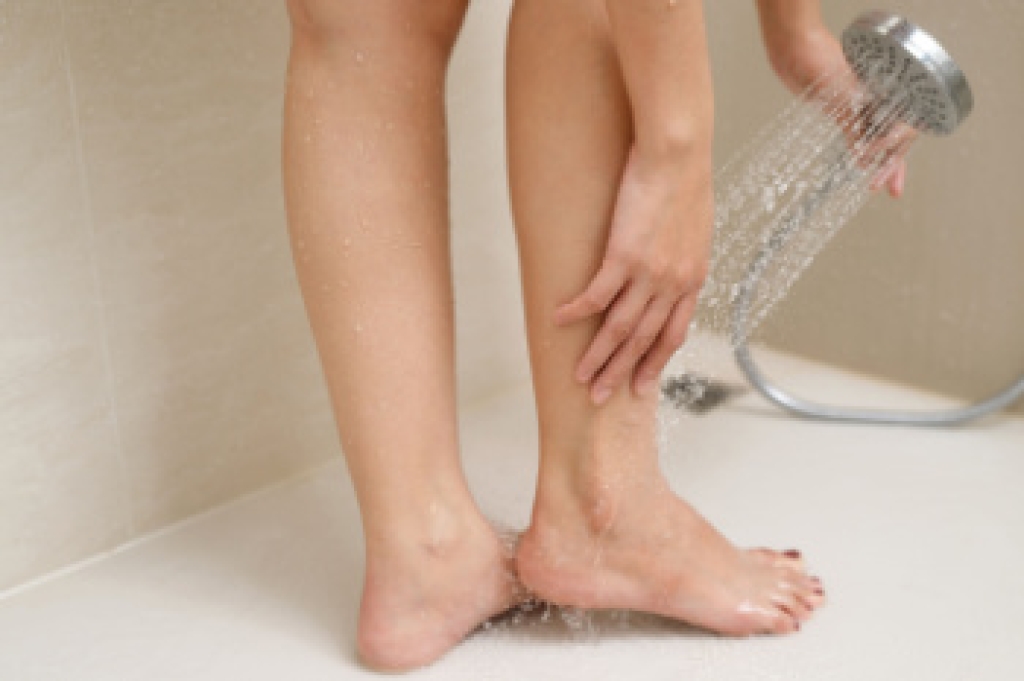
Caring for your feet is a cornerstone of overall well-being, directly influencing our ability to move and navigate the world with ease. Prioritize cleanliness by washing and thoroughly drying feet daily, safeguarding against infections and discomfort. Choose footwear wisely, opting for pairs that provide proper support, fit well, and allow ample room for toes to move freely. Regularly trim toenails straight across to prevent ingrown toenails and maintain proper foot hygiene. Additionally, embrace moisture management by applying a mild moisturizer to prevent dryness and cracking. Stretching exercises not only promote flexibility but also enhance circulation, supporting optimal foot health. Mindful inspection of feet for any unusual changes, such as swelling, redness, or pain, allows for prompt intervention if issues arise. Finally, prioritize regular physical activity to promote overall circulation and foot health. If you are seeking additional everyday foot care tips, it is suggested that you consult a podiatrist.

Everyday foot care is very important to prevent infection and other foot ailments. If you need your feet checked, contact Gary Saphire, DPM from Parkway Podiatry. Our doctor can provide the care you need to keep you pain-free and on your feet.

Everyday Foot Care

Often, people take care of their bodies, face and hair more so than they do for their feet. But the feet are a very important aspect of our bodies, and one that we should pay more attention to. Without our feet, we would not be able to perform most daily tasks.

It is best to check your feet regularly to make sure there are no new bruises or cuts that you may not have noticed before. For dry feet, moisturizer can easily be a remedy and can be applied as often as necessary to the affected areas. Wearing shoes that fit well can also help you maintain good foot health, as well as making it easier to walk and do daily activities without the stress or pain of ill-fitting shoes, high heels, or even flip flops. Wearing clean socks with closed shoes is important to ensure that sweat and bacteria do not accumulate within the shoe. Clean socks help to prevent Athlete’s foot, fungi problems, bad odors, and can absorb sweat.

If you have any questions, please feel free to contact our office located in Brooklyn, NY . We offer the newest diagnostic and treatment technologies for all your foot care needs.

Read more about Everyday Foot Care

What Are the Signs of Flat Feet?

Flat feet, a condition where the arches of the feet touch or nearly touch the ground, can be a source of discomfort and may affect daily activities. Understanding the causes and symptoms is vital for those grappling with this common foot ailment. Often, flat feet are hereditary, with genetic factors contributing to the lack of arch development. Tendon or ligament issues, arising from injury or overuse, can also lead to flat feet. Rheumatoid arthritis or conditions impacting the nervous system may alter foot structure, causing the arches to collapse. Symptoms include pain or discomfort along the inner side of the ankle, swelling on the bottom of the feet, and difficulty in standing on tiptoes. Recognizing these signs prompts individuals to seek appropriate interventions, such as wearing supportive footwear or orthotic devices. If you have flat feet, it is suggested that you consult a podiatrist who can guide you toward effective relief options.

Flatfoot is a condition many people suffer from. If you have flat feet, contact Gary Saphire, DPM from Parkway Podiatry. Our doctor will treat your foot and ankle needs.

What Are Flat Feet?

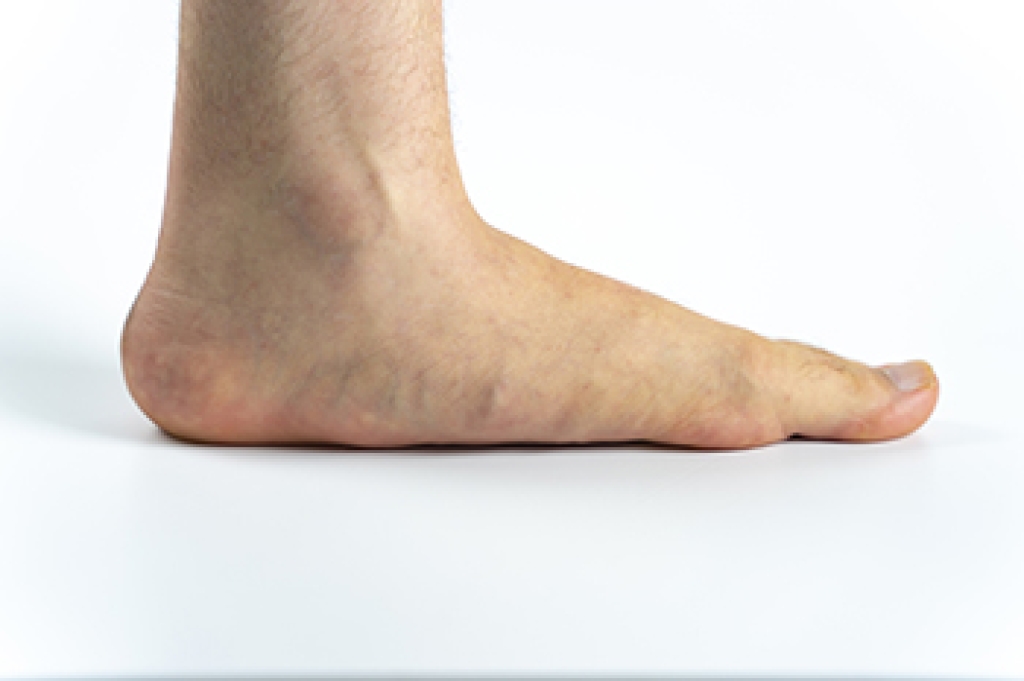
Flatfoot is a condition in which the arch of the foot is depressed and the sole of the foot is almost completely in contact with the ground. About 20-30% of the population generally has flat feet because their arches never formed during growth.

Conditions & Problems:

Having flat feet makes it difficult to run or walk because of the stress placed on the ankles.

Alignment – The general alignment of your legs can be disrupted, because the ankles move inward which can cause major discomfort.

Knees – If you have complications with your knees, flat feet can be a contributor to arthritis in that area.  

Symptoms

  • Pain around the heel or arch area
  • Trouble standing on the tip toe
  • Swelling around the inside of the ankle
  • Flat look to one or both feet
  • Having your shoes feel uneven when worn

Treatment

If you are experiencing pain and stress on the foot you may weaken the posterior tibial tendon, which runs around the inside of the ankle. 

If you have any questions, please feel free to contact our office located in Brooklyn, NY . We offer the newest diagnostic and treatment technologies for all your foot care needs.
Read more about Flat Feet

Let Us Treat Your Feet This Winter

Take extra care when walking on snow and ice. If you experience a fall and sustain an injury, we're here to help. We treat trauma, soft tissue injuries, and fractures.

Diabetic Foot Blisters

Diabetic foot blisters are a rare, but distinctive complication of diabetes. They typically manifest as painless blisters on the feet of people with diabetes, often without an obvious cause like injury or friction. These blisters can resemble burn blisters, presenting a risk for infection, especially given the compromised wound-healing abilities associated with diabetes. The skin of diabetic patients is vulnerable due to a combination of poor circulation, diabetic neuropathy, and other skin complications like dryness and poor healing. Management of diabetic foot blisters involves careful monitoring to prevent infection, control of blood sugar levels to aid in healing, and protection from further injury. In most cases, they may resolve on their own with good diabetes management and proper foot care, which includes wearing well-fitting shoes and avoiding walking barefoot. However, if you are diabetic and have any new or worsening foot issues, it is strongly suggested that you make an appointment with a podiatrist to ensure timely and appropriate treatment.

Blisters are prone to making everyday activities extremely uncomfortable. If your feet are hurting, contact Gary Saphire, DPM of Parkway Podiatry. Our doctor can provide the care you need to keep you pain-free and on your feet.

Foot Blisters

Foot blisters develop as a result of constantly wearing tight or ill-fitting footwear. This happens due to the constant rubbing from the shoe, which can often lead to pain.

What Are Foot Blisters?

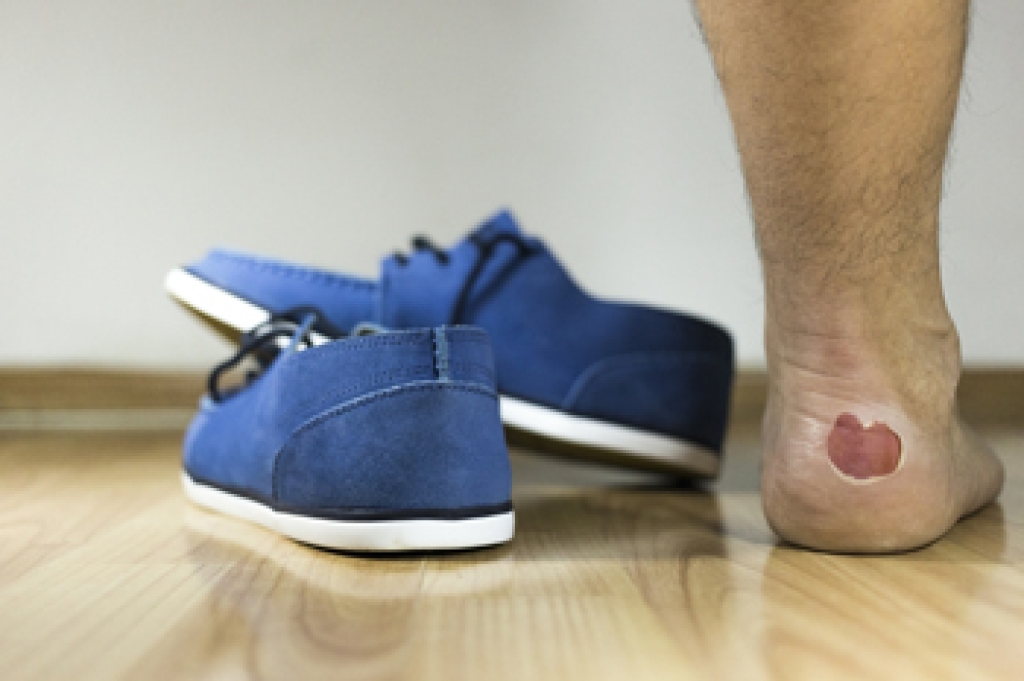
A foot blister is a small fluid-filled pocket that forms on the upper-most layer of the skin. Blisters are filled with clear fluid and can lead to blood drainage or pus if the area becomes infected.

How Do Blisters Form?

Blisters on the feet are often the result of constant friction of skin and material, usually by shoe rubbing. Walking in sandals, boots, or shoes that don’t fit properly for long periods of time can result in a blister. Having consistent foot moisture and humidity can easily lead to blister formation.

Prevention & Treatment

It is important to properly care for the affected area in order to prevent infection and ease the pain. Do not lance the blister and use a Band-Aid to provide pain relief. Also, be sure to keep your feet dry and wear proper fitting shoes. If you see blood or pus in a blister, seek assistance from a podiatrist.

If you have any questions, please feel free to contact our office located in Brooklyn, NY . We offer the newest diagnostic and treatment technologies for all your foot care needs.
Read more about Blisters
scroll to top