Like us on facebook
Follow us on twitter
review us on google

Treatment Options for Bunions

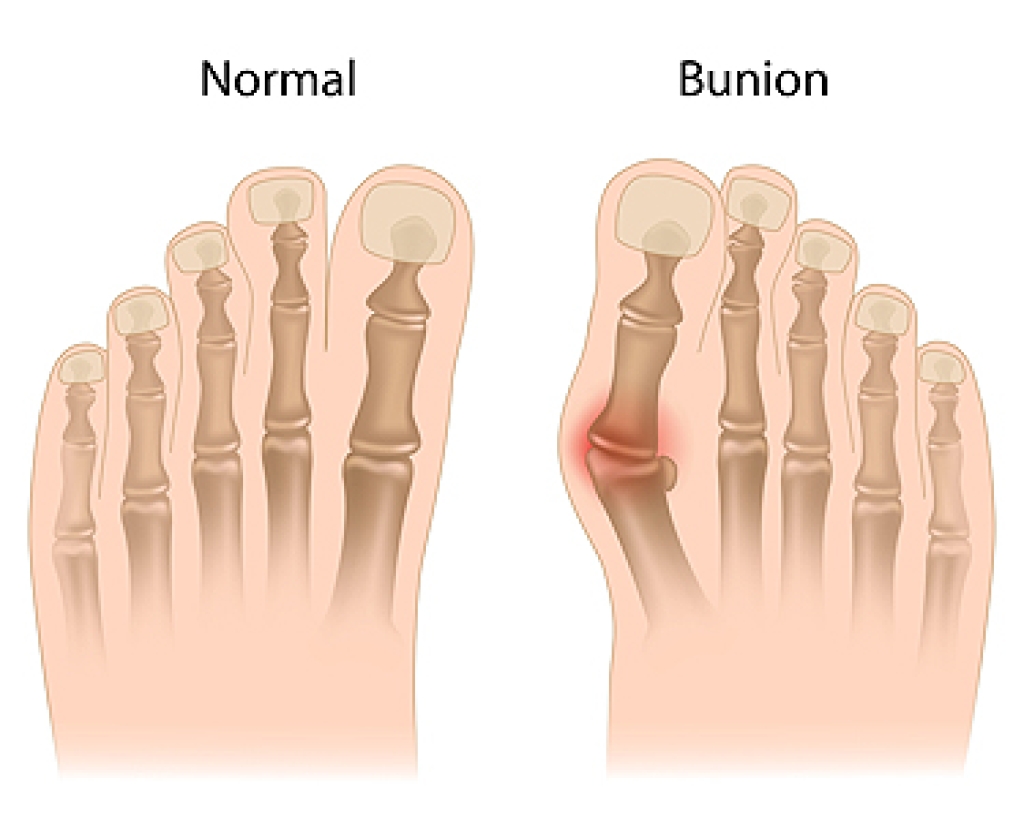
Bunions, medically termed hallux valgus, are a foot deformity characterized by a bony bump at the base of the big toe, while the top of the toe shifts toward the others. Bunions are often accompanied by inflammation and pain. Factors like hereditary predisposition and wearing tight or improper footwear can worsen the deformity. Treatment strategies for bunions typically encompass both non-surgical and surgical approaches. Non-surgical intervention focuses on symptom management and includes wearing well-fitted shoes that provide ample space for the toes. Wearing bunion pads, toe spacers, or orthotic devices for support are among the less invasive treatment options. However, if conservative measures fail to provide relief or if the bunion is severe, surgery may be necessary. Bunion surgery aims to realign the toe joint, alleviate pain, and improve foot function. Surgical techniques include joint trimming and total joint replacement, depending on the severity of the bunion. If you have a bunion that is affecting your daily activities, it's suggested that you schedule an appointment with a podiatrist for a thorough exam and suggested treatment measures. 

If you are suffering from bunion pain, contact Gary Saphire, DPM of Parkway Podiatry. Our doctor can provide the care you need to keep you pain-free and on your feet.

What Is a Bunion?

Bunions are painful bony bumps that usually develop on the inside of the foot at the joint of the big toe. As the deformity increases over time, it may become painful to walk and wear shoes. Women are more likely to exacerbate existing bunions since they often wear tight, narrow shoes that shift their toes together. Bunion pain can be relieved by wearing wider shoes with enough room for the toes.

Causes

  • Genetics – some people inherit feet that are more prone to bunion development
  • Inflammatory Conditions - rheumatoid arthritis and polio may cause bunion development

Symptoms

  • Redness and inflammation
  • Pain and tenderness
  • Callus or corns on the bump
  • Restricted motion in the big toe

In order to diagnose your bunion, your podiatrist may ask about your medical history, symptoms, and general health. Your doctor might also order an x-ray to take a closer look at your feet. Nonsurgical treatment options include orthotics, padding, icing, changes in footwear, and medication. If nonsurgical treatments don’t alleviate your bunion pain, surgery may be necessary.

If you have any questions, please feel free to contact our office located in Brooklyn, NY . We offer the newest diagnostic and treatment technologies for all your foot care needs.

Read more about Bunions

The Power of Running Is Enhanced by Wearing Proper Footwear

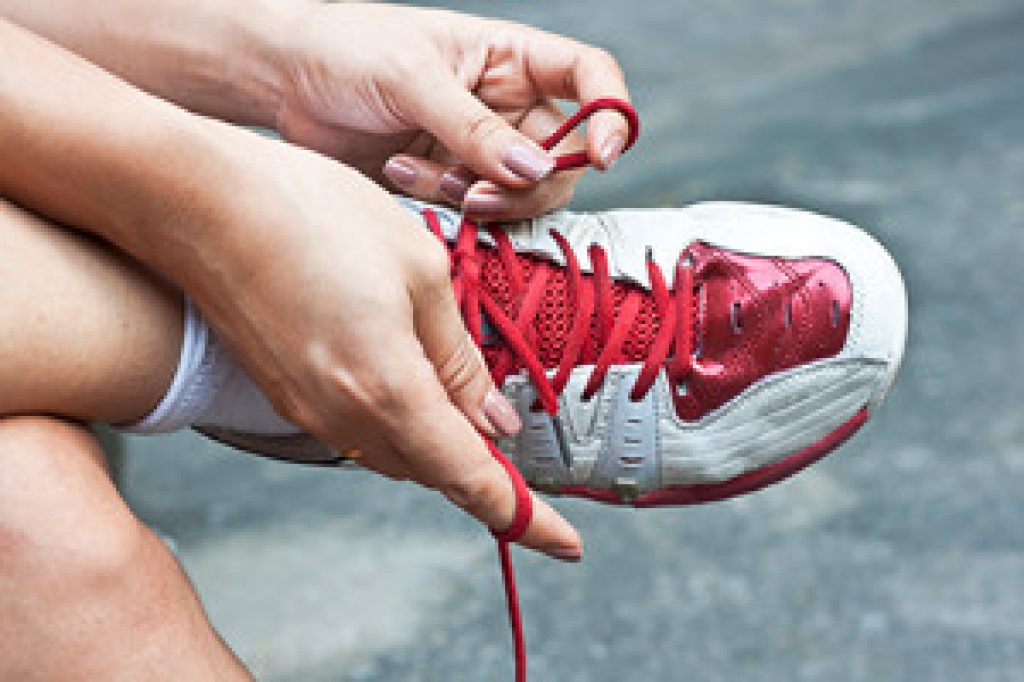
Running offers a multitude of benefits for both physical and mental well-being. It strengthens the cardiovascular system, improves lung function, and boosts metabolism, aiding in weight management and overall health. Beyond the physical advantages, running also promotes mental clarity, stress relief, and a sense of accomplishment. However, to reap these benefits safely and effectively, investing in good running shoes is vital. Quality footwear provides essential support, cushioning, and stability, reducing the risk of injuries such as sprains, strains, and stress fractures. Proper running shoes are designed to accommodate the unique biomechanics of each individual, offering optimal shock absorption and alignment for a smoother, more comfortable stride. By selecting the right shoes for their foot type and running style, runners can enhance performance, minimize discomfort, and prolong their running journey, ensuring they can continue to enjoy the myriad benefits that running has to offer for years to come. Injuries to the foot and ankle can happen from running, and it is essential the right running shoes are chosen. It is suggested that you contact a podiatrist who can treat foot and ankle injuries, and guide you on what the best type of running shoes are right for you.

If you are a runner, wearing the right running shoe is essential. For more information, contact Gary Saphire, DPM from Parkway Podiatry. Our doctor can provide the care you need to keep you pain-free and on your feet.

Choosing the Right Running Shoe for Your Foot Type

To increase performance and avoid the risk of injury, it is important to choose the right running shoe based on your foot type. The general design of running shoes revolves around pronation, which is how the ankle rolls from outside to inside when the foot strikes the ground.

  • Neutral runners are able to choose from a wide variety of shoes, including minimalist shoes or even going barefoot.
  • Runners who overpronate, or experience an over-abundance of ankle rolling, should choose shoes that provide extra motion control and stability.
  • Runners who underpronate, or supinate, have feet that have high arches and lack flexibility, preventing shock absorption. They require shoes with more flexibility and cushion.

If you have any questions, please feel free to contact our office located in Brooklyn, NY . We offer the newest diagnostic and treatment technologies for all your foot care needs.
Read more about Choosing the Right Running Shoe for Your Foot Type

Plantar Warts Can Be Treated!

Plantar warts are small growths that develop on parts of the feet that bear weight. They're typically found on the bottom of the foot. Don't live with plantar warts, and call us today!

Morton’s Neuroma Is a Nerve Condition

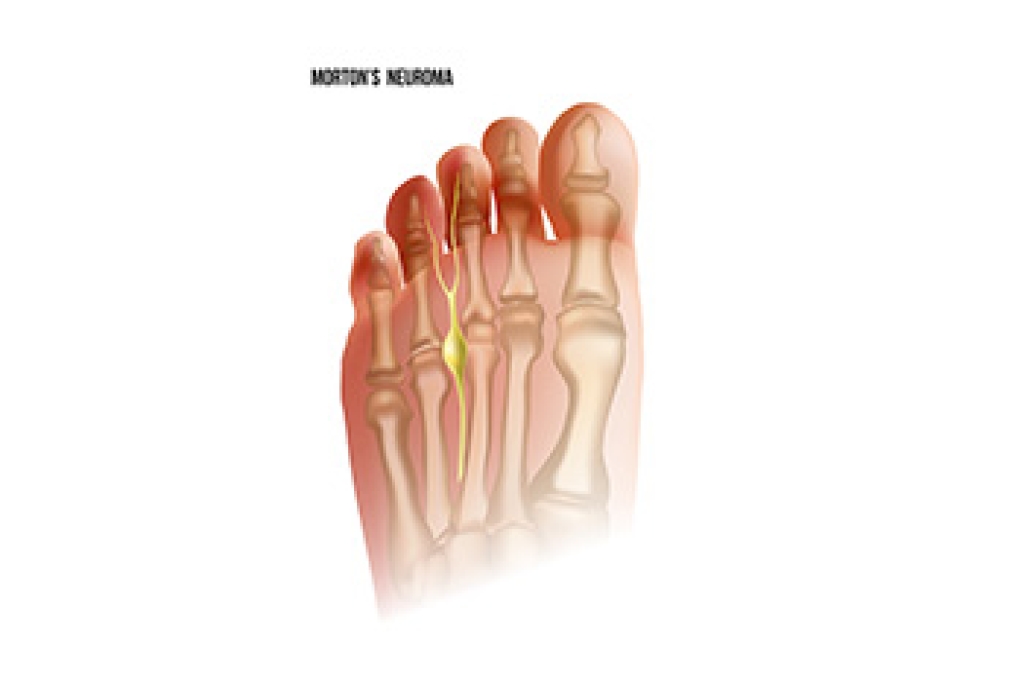
Morton's neuroma, a painful foot condition, stems from the compression of the plantar digital nerve, typically between the third and fourth toes. This nerve compression leads to the thickening of the nerve tissue, resulting in sharp, burning pain, tingling sensations, and numbness in the affected toes. Despite its name, Morton's neuroma is not a true neuroma, or tumor, but rather a nerve entrapment or irritation. The precise cause of Morton's neuroma remains unclear, though factors such as repetitive stress, wearing tight or high-heeled shoes, foot deformities, and certain activities that involve pressure on the forefoot are thought to contribute to its development. Diagnosis often involves a thorough examination by a podiatrist, including a physical assessment of the foot. This may include imaging tests like X-rays or MRI scans to confirm the condition. If you are experiencing pain in this part of your foot, it is suggested that you consult a podiatrist who can accurately diagnose and treat Morton’s neuroma.

Morton’s neuroma is a very uncomfortable condition to live with. If you think you have Morton’s neuroma, contact Gary Saphire, DPM of Parkway Podiatry. Our doctor will attend to all of your foot care needs and answer any of your related questions.  

Morton’s Neuroma

Morton's neuroma is a painful foot condition that commonly affects the areas between the second and third or third and fourth toe, although other areas of the foot are also susceptible. Morton’s neuroma is caused by an inflamed nerve in the foot that is being squeezed and aggravated by surrounding bones.

What Increases the Chances of Having Morton’s Neuroma?

  • Ill-fitting high heels or shoes that add pressure to the toe or foot
  • Jogging, running or any sport that involves constant impact to the foot
  • Flat feet, bunions, and any other foot deformities

Morton’s neuroma is a very treatable condition. Orthotics and shoe inserts can often be used to alleviate the pain on the forefront of the feet. In more severe cases, corticosteroids can also be prescribed. In order to figure out the best treatment for your neuroma, it’s recommended to seek the care of a podiatrist who can diagnose your condition and provide different treatment options.

If you have any questions, please feel free to contact our office located in Brooklyn, NY . We offer the newest diagnostic and treatment technologies for all your foot care needs.
Read more about Morton's Neuroma

Athlete’s Foot Treatment

Athlete's foot, a fungal infection of the skin on the feet, is usually treated with different types of antifungal medications. These can come in the form of creams, sprays, and powders, as well as oral medications for more severe cases. These treatments can kill the fungus that causes the infection. The infection usually clears up within a few weeks of topical treatment application. Keeping your feet clean and dry when treating athlete’s foot is important, as the fungus thrives in moist environments. Changing socks regularly, using antifungal powders in shoes, and avoiding walking barefoot in public areas, such as locker rooms or swimming pools, can help prevent the spread of the infection. A podiatrist, or foot doctor, might recommend a stronger prescription medication for more persistent cases. Podiatrists can also guide proper foot hygiene to prevent recurrence. If you are struggling with athlete’s foot, it is suggested that you consult a podiatrist for the right treatment options for you. 

Athlete’s foot is an inconvenient condition that can be easily reduced with the proper treatment. If you have any concerns about your feet and ankles, contact Gary Saphire, DPM from Parkway Podiatry.  Our doctor will treat your foot and ankle needs.

Athlete’s Foot: The Sole Story

Athlete's foot, also known as tinea pedis, can be an extremely contagious foot infection. It is commonly contracted in public changing areas and bathrooms, dormitory style living quarters, around locker rooms and public swimming pools, or anywhere your feet often come into contact with other people.

Solutions to Combat Athlete’s Foot

  • Hydrate your feet by using lotion
  • Exfoliate
  • Buff off nails
  • Use of anti-fungal products
  • Examine your feet and visit your doctor if any suspicious blisters or cuts develop

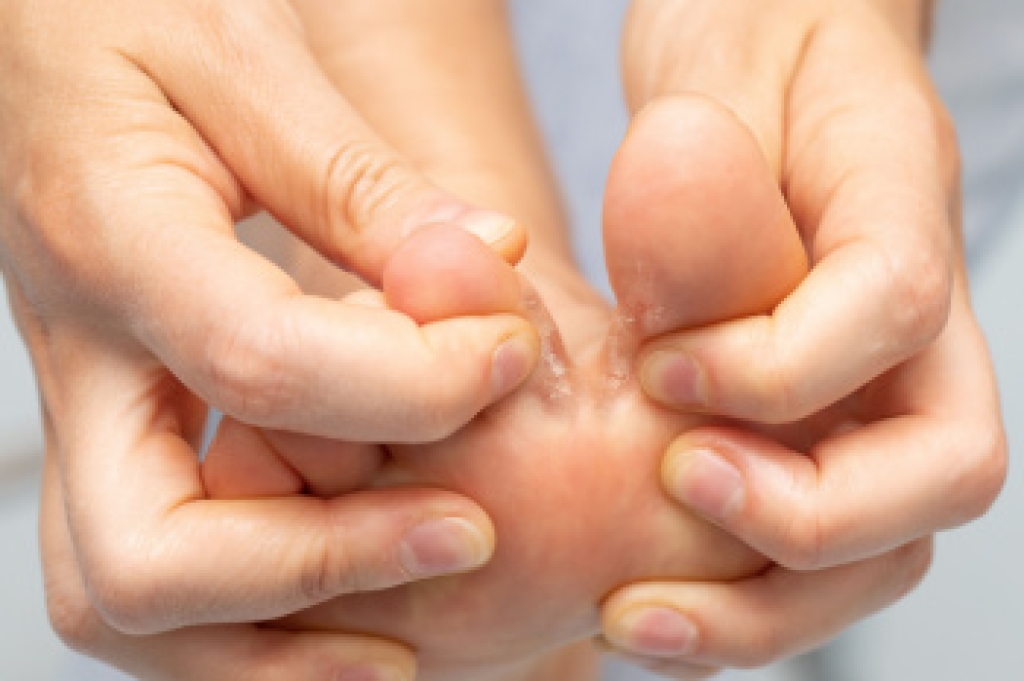
Athlete’s foot can cause many irritating symptoms such as dry and flaking skin, itching, and redness. Some more severe symptoms can include bleeding and cracked skin, intense itching and burning, and even pain when walking. In the worst cases, Athlete’s foot can cause blistering as well. Speak to your podiatrist for a better understanding of the different causes of Athlete’s foot, as well as help in determining which treatment options are best for you.

If you have any questions please feel free to contact our office located in Brooklyn, NY . We offer the newest diagnostic and treatment technologies for all your foot and ankle needs.

Read more about Athlete's Foot
scroll to top