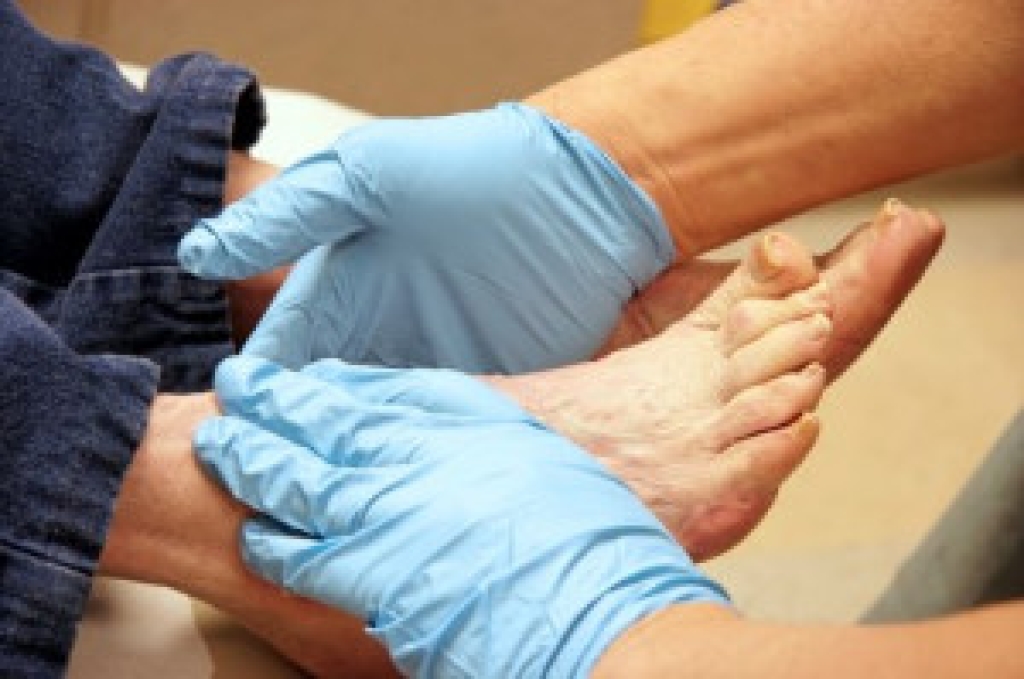
Have your feet inspected by a professional before starting a new sport or physical activity. Taking charge of your foot health will keep you in good physical condition and can help you avoid a potential injury, such as a fracture or sprained ankle.
Some people have jobs that require standing and lifting most of the day. The feet can be affected and it is generally stressed by employers and safety leaders in the workplace that appropriate shoes are worn. This may help to prevent severe foot conditions from developing, in addition to hurting other areas of the body. Standing on anti-fatigue mats, also known as stress mats, is known to help absorb the shock from standing on hard surfaces. Despite this, employees tend to trip on these mats if they are not flat on the ground which may lead to additional injuries. It is helpful to wear work shoes that have traction on the soles to help prevent injuries from existing later. In most union jobs, taking breaks is mandatory to allow ample time to rest the body and feet. If you would like more information about how wearing the right shoes while working can protect the feet, it is suggested that you confer with a podiatrist who can provide you with helpful information.
While working on the feet, it is important to take the proper care of them. For more information about working on your feet, contact Gary Saphire, DPM from Parkway Podiatry. Our doctor will treat your foot and ankle needs.
Working on Your Feet
Standing on your feet for long periods of time can cause stress and pain in your feet. Your whole body may experience change in terms of posture, back pain, bunions, callouses and or plantar warts. There are ways to avoid these conditions with proper foot care, smart choices and correct posture.
Positive Changes
Negative heeled shoe – Choosing this shoe type places the heel slightly lower than the ball of the foot. These are great for overall foot health. Find shoes that fit you correctly.
Go barefoot – Our feet were not designed to be enclosed for all hours of the day. Try to periodically expose your feet to air.
Eliminate Pain
Foot Exercises – Performing simple exercises, incorporating yoga and doing stretches are beneficial. This will allow increased blood flow to the area and muscles of the foot.
Achilles tendon – Stretching the foot out flat on the floor will relax the calf muscles and tendon. These exercises can be performed almost anywhere. Make sure you add these exercises to your daily regimen.
With a little bit of this information and knowing more about foot health, you will notice changes. Foot stretches and proper footwear will help with pain and prevent further issues.
If you have any questions please contact our office located in Brooklyn, NY. We offer the newest diagnostic and treatment technologies for all your foot and ankle needs.
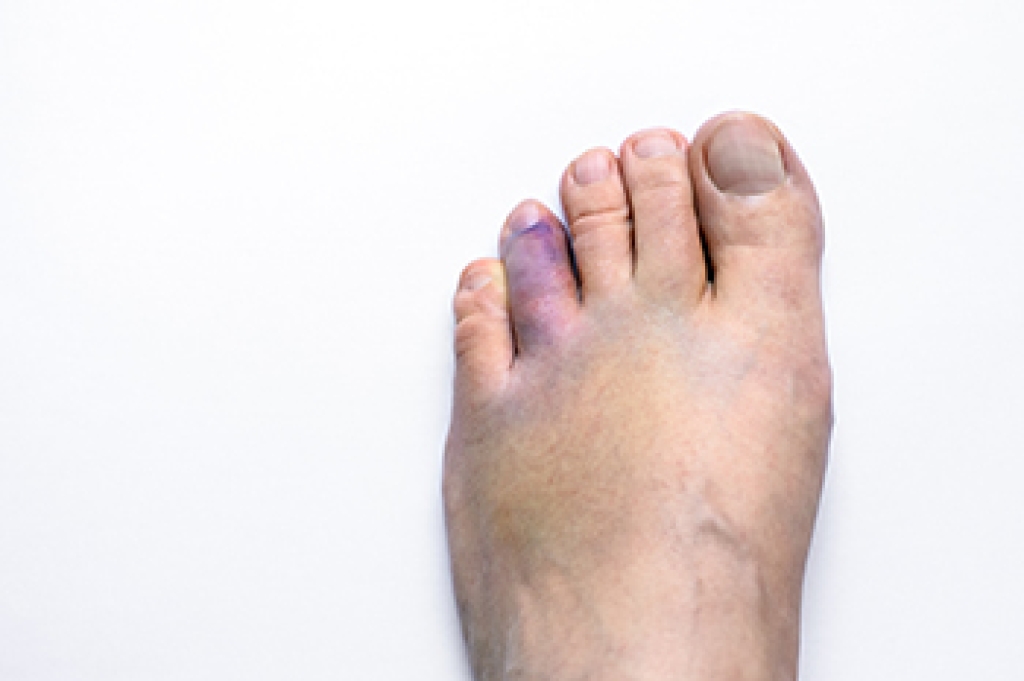
The majority of people experience immediate symptoms when they break a toe. There is often bruising, swelling, and it can be difficult to walk. It can happen for various reasons, including a heavy object dropping on it, or if it stubbed into a piece of furniture. Additionally, falling may cause a toe to break, and people who have osteoporosis may be more susceptible to sustaining this type of injury. If the toe is severely broken, a protruding bone from the toe may cause it to look deformed. This type of fracture requires prompt medical attention, and surgery may be necessary to heal and restore the toe to its normal position. A diagnosis generally consists of having an X-ray taken, and this can help to determine the severity of the fracture. Mildly broken toes can be treated by using the buddy taping method. This is done by taping the affected toe to the toe next to it. If you have broken your toe, it is suggested that you confer with a podiatrist who can guide you toward the treatment option that is right for you.
A broken toe can be very painful and lead to complications if not properly fixed. If you have any concerns about your feet, contact Gary Saphire, DPM from Parkway Podiatry. Our doctor will treat your foot and ankle needs.
What to Know About a Broken Toe
Although most people try to avoid foot trauma such as banging, stubbing, or dropping heavy objects on their feet, the unfortunate fact is that it is a common occurrence. Given the fact that toes are positioned in front of the feet, they typically sustain the brunt of such trauma. When trauma occurs to a toe, the result can be a painful break (fracture).
Symptoms of a Broken Toe
Throbbing pain
Swelling
Bruising on the skin and toenail
The inability to move the toe
Toe appears crooked or disfigured
Tingling or numbness in the toe
Generally, it is best to stay off of the injured toe with the affected foot elevated.
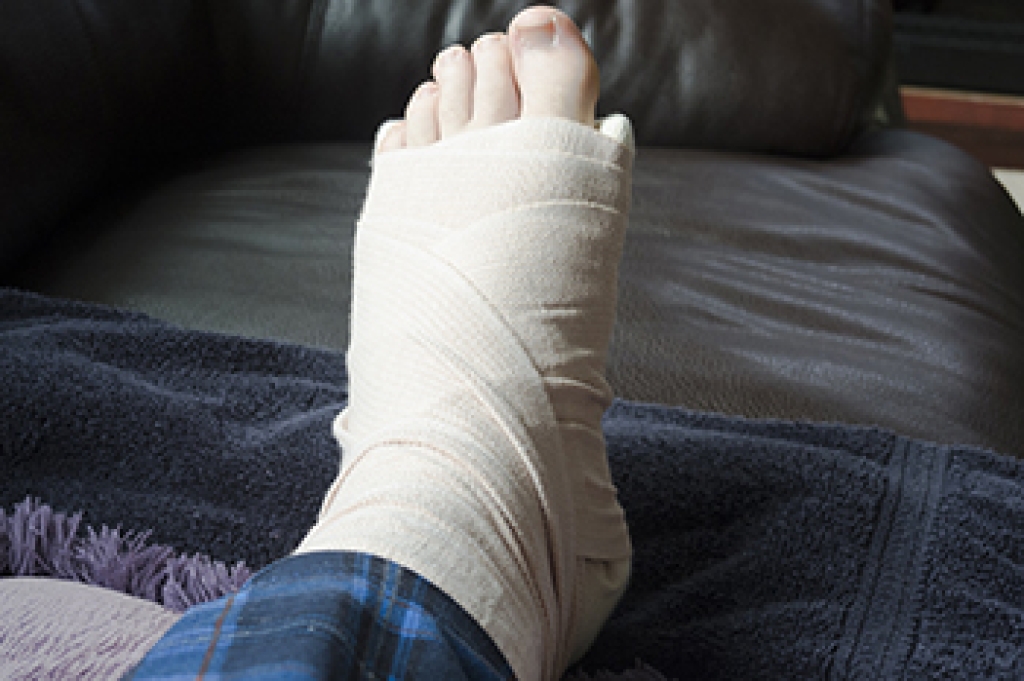
Severe toe fractures may be treated with a splint, cast, and in some cases, minor surgery. Due to its position and the pressure it endures with daily activity, future complications can occur if the big toe is not properly treated.
If you have any questions, please feel free to contact our office located in Brooklyn, NY. We offer the newest diagnostic and treatment technologies for all your foot care needs.
Broken feet, or fractured feet, can produce a variety of different symptoms in an individual. For example, there may be swelling or pain at the affected location. However, one interesting symptom associated with broken feet is a change in temperature. Specifically, some individuals who have broken their foot may notice that the affected area feels hot or warm. This is not an uncommon symptom of having a broken foot. If the broken foot is warm, it is also possible that it might also feel tender to the touch. Sometimes, a warm sensation is even accompanied by discoloration and specifically redness. If you have fractured your foot, it is suggested that you seek immediate attention from a podiatrist.
A broken foot requires immediate medical attention and treatment. If you need your feet checked, contact Gary Saphire, DPM from Parkway Podiatry. Our doctor can provide the care you need to keep you pain-free and on your feet.
Broken Foot Causes, Symptoms, and Treatment
A broken foot is caused by one of the bones in the foot typically breaking when bended, crushed, or stretched beyond its natural capabilities. Usually the location of the fracture indicates how the break occurred, whether it was through an object, fall, or any other type of injury.
Common Symptoms of Broken Feet:
Bruising
Pain
Redness
Swelling
Blue in color
Numbness
Cold
Misshapen
Cuts
Deformities
Those that suspect they have a broken foot shoot seek urgent medical attention where a medical professional could diagnose the severity.
Treatment for broken bones varies depending on the cause, severity and location. Some will require the use of splints, casts or crutches while others could even involve surgery to repair the broken bones. Personal care includes the use of ice and keeping the foot stabilized and elevated.
If you have any questions, please feel free to contact our office located in Brooklyn, NY. We offer the newest diagnostic and treatment technologies for all your foot care needs.
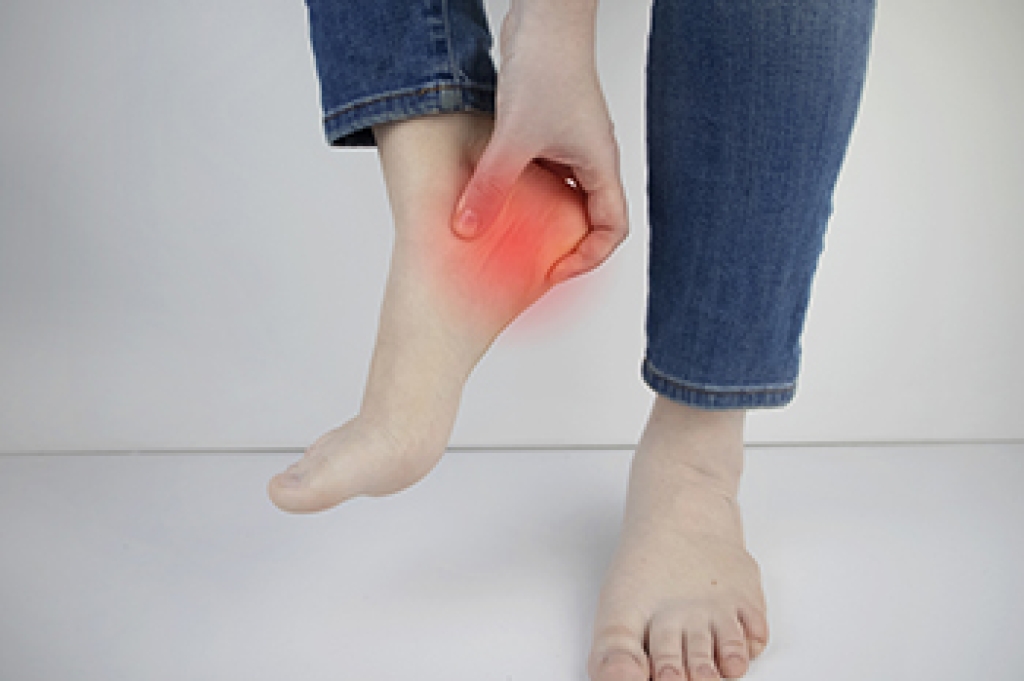
The plantar fascia is found on the bottom of the foot. It is a long portion of tissue that connects the heel to the toes and can become quite painful if it becomes irritated. A heel injury or gradual wear and tear may lead to developing plantar fasciitis. This foot condition is defined as inflammation or tears that happen to the plantar fascia, which can occur from wearing shoes that do not have adequate cushioning in the heel area. It can also happen to people who stand on hard or uneven surfaces for most of the day, causing excess pressure on the heel and surrounding areas. Many people enjoy running and jogging, and it is helpful to be aware of how this can negatively impact the heels. Pregnant women may develop plantar fasciitis, as a result of the added weight the feet must endure. Temporary relief may be found when the affected foot is elevated, and walking is kept to a minimum. A podiatrist is a specialist that can effectively treat plantar fasciitis, and it is suggested that you contact this type of doctor who can offer you the treatment option that is best for you.
Plantar fasciitis can be very painful and inconvenient. If you are experiencing heel pain or symptoms of plantar fasciitis, contact Gary Saphire, DPM from Parkway Podiatry. Our doctor can provide the care you need to keep you pain-free and on your feet.
What Is Plantar Fasciitis?
Plantar fasciitis is the inflammation of the thick band of tissue that runs along the bottom of your foot, known as the plantar fascia, and causes mild to severe heel pain.
What Causes Plantar Fasciitis?
Excessive running
Non-supportive shoes
Overpronation
Repeated stretching and tearing of the plantar fascia
Shockwave therapy – sound waves are sent to the affected area to facilitate healing and are usually used for chronic cases of plantar fasciitis
Surgery – usually only used as a last resort when all else fails. The plantar fascia can be surgically detached from the heel
While very treatable, plantar fasciitis is definitely not something that should be ignored. Especially in severe cases, speaking to your doctor right away is highly recommended to avoid complications and severe heel pain. Your podiatrist can work with you to provide the appropriate treatment options tailored to your condition.
If you have any questions, please feel free to contact our office located in Brooklyn, NY. We offer the newest diagnostic and treatment technologies for all your foot care needs.
Foot or ankle pain can negatively affect your day-to-day life and can occur due to several different conditions. Pain can also be an indicator of a more serious underlying condition, which is why you should seek professional help as soon as you notice any abnormalities in your feet.
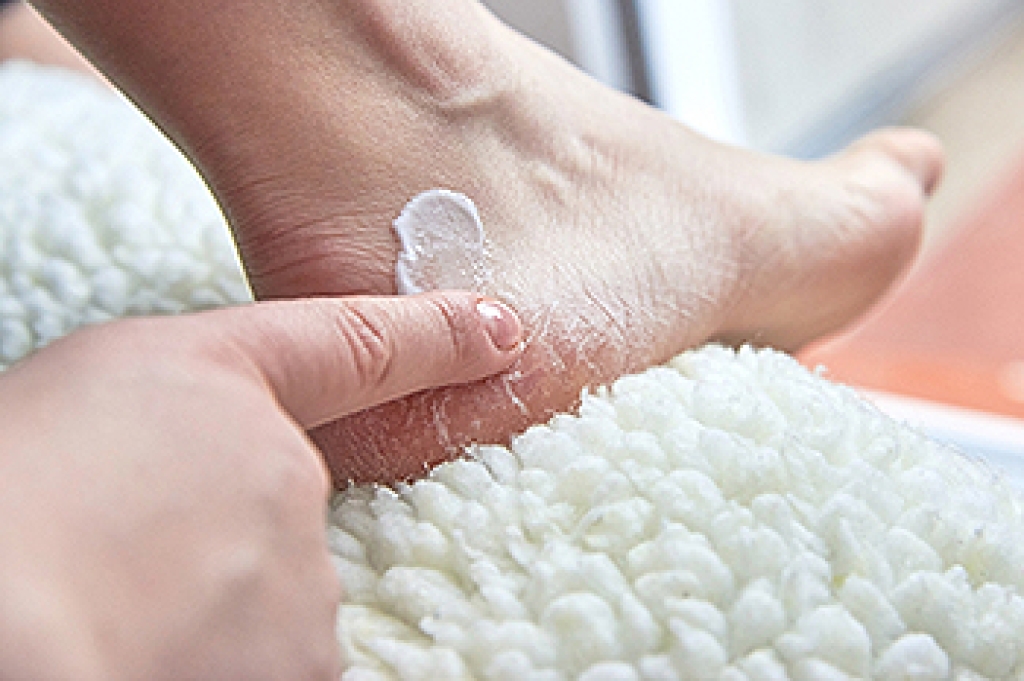
Having dry skin on the heels is common. It can lead to a foot condition that is known as cracked heels, and be quite uncomfortable. Untreated cracks in the skin can develop into fissures, which may bleed and become infected. The feet do not have oil glands, and they can dry out quicker than other parts of the body. Cracked heels can be caused by weaning shoes that have an open back, such as flip-flops or sandals. These types of shoes may put additional pressure on the heels' fat pads, and the skin may dry out. There may be existing medical conditions that can lead to developing cracked heels. These can include psoriasis, eczema, diabetes, or thyroid disorders. Mild relief may be found when the feet are frequently soaked in warm water, followed by removing any dead skin, which is referred to as exfoliating. Additionally, applying a good moisturizer may help the skin to feel soft and cause any dead skin to naturally fall off. If you have cracked heels, it is suggested that you confer with a podiatrist who can offer you additional treatment methods.
Cracked heels are unsightly and can cause further damage to your shoes and feet. If you have any concerns, contact Gary Saphire, DPM from Parkway Podiatry. Our doctor can provide the care you need to keep you pain-free and on your feet.
Cracked Heels
Cracked heels appear unappealing and can make it harder for you walk around in sandals. Aside from looking unpleasant, cracked heels can also tear stockings, socks, and wear out your shoes. There are several methods to help restore a cracked heel and prevent further damage.
How Do You Get Them?
Dry skin is the number one culprit in creating cracked heels. Many athletes, walkers, joggers, and even swimmers suffer from cracked heels. Age and skin oil production play a role to getting cracked heels as well.
Promote Healing
Over the counter medicines can help, especially for those that need instant relief or who suffer from chronic dry feet.
Wear Socks – Wearing socks with medicated creams helps lock in moisture.
Moisturizers – Applying both day and night will help alleviate dryness which causes cracking.
Pumice Stones – These exfoliate and remove dead skin, which allows for smoother moisturizer application and better absorption into the skin.
Change in Diet
Eating healthy with a well-balanced diet will give the skin a fresh and radiant look. Your body responds to the kinds of food you ingest. Omega-3 fatty acids and zinc supplements can also revitalize skin tissue.
Most importantly, seek professional help if unsure how to proceed in treating cracked heels. A podiatrist will help you with any questions or information needed.
If you have any questions, please feel free to contact our office located in Brooklyn, NY. We offer the newest diagnostic and treatment technologies for all your foot care needs.
As the weather gets warmer, it’s time to put on sandals and flip-flops. However, experts point out that both of these types of footwear can be harmful to the health of your feet. In most cases, neither provides the amount of shock absorption to ward off stress fractures or plantar fasciitis, which is the most common cause of heel pain. In addition, wearing such non-supportive footwear for long periods can lead to other foot issues, including bunions and hammertoe. Further wearing sandals and flip-flops can permanently affect the way you walk, which in turn can cause problems with the knees, hips, and back. Cracked heels are another negative side effect of wearing sandals and flip-flops. The real danger of cracked heels is the possibility of developing fissures, which are deep crevices in the skin that invite fungal, bacterial, and viral infections. If you need more information on the dangers of summertime footwear, it is suggested that you seek the counsel of a podiatrist.
Flip-flops are not always the best choice of footwear. If you have any concerns about your feet or ankles, contact Gary Saphire, DPM from Parkway Podiatry. Our doctor will assist you with all of your foot and ankle needs.
Flip-Flops and Feet
When the weather starts warming up, people enjoy wearing flip-flops. Flip-flops are comfortable, stylish, and easy to slip on and off; they're perfect for any summer beach goer. However, these shoes can cause harm to the feet.
How Can Flip-Flops Affect Me Long-Term?
Ankle problems
Hip problems
Lower back problems
Pain in the balls of the feet
Problems with foot arches
Changes in the way you walk
Are There Injuries Associated with Flip-Flops?
Yes. Since flip-flops are relatively weak and do not provide the same amount of support as sneakers, people who wear flip-flops regularly are more susceptible to injuries. On top of that, the open nature of the shoe makes your feet more prone to other problems, such as cuts and even infections. Common injuries and ailments include:
Sprained ankles
Blisters
Infections
Cuts and Scrapes
I like Wearing Flip-Flops. Are There Safe Alternatives?
When buying flip-flops, try to find ones that have sturdy soles and that are made of high-quality materials that will support for your feet. These flip-flops will cost more but will also last longer as a result.
If you have any questions, please feel free to contact our office located in Brooklyn, NY. We offer the newest diagnostic and treatment technologies for all your foot care needs.
Diabetics are at extreme risk for a number of conditions that can affect the health of the lower extremities. Around 60 percent of diabetics develop a foot ulcer, brought about by peripheral nerve and vascular diseases. For that reason, a simple sore or slight wound on the feet can become a serious health threat. Loss of sensation in the feet and toes, caused by neuropathy, can make it difficult to notice a cut or sore. Constricted blood flow to the feet, caused by peripheral artery disease, can slow the healing process. If left unattended, even a tiny wound can become infected and turn into an open wound, or ulcer. As the untended ulcer continues to grow, tissue may die, and if left long enough can turn into gangrene. If the infection reaches the bone, loss of a limb then becomes a possibility. Diabetic foot ulcers are believed to be responsible for more hospital admissions than any other diabetes complication. The essentials to prevent this chain of events are a careful and regular routine of foot care and consistent regulation of insulin and blood sugar levels. Professional care from a podiatrist is suggested for any diabetic who struggles with such foot problems.
Diabetic foot care is important in preventing foot ailments such as ulcers. If you are suffering from diabetes or have any other concerns about your feet, contact Gary Saphire, DPM from Parkway Podiatry. Our doctor can provide the care you need to keep you pain-free and on your feet.
Diabetic Foot Care
Diabetes affects millions of people every year. The condition can damage blood vessels in many parts of the body, especially the feet. Because of this, taking care of your feet is essential if you have diabetes, and having a podiatrist help monitor your foot health is highly recommended.
The Importance of Caring for Your Feet
Routinely inspect your feet for bruises or sores.
Wear socks that fit your feet comfortably.
Wear comfortable shoes that provide adequate support.
Patients with diabetes should have their doctor monitor their blood levels, as blood sugar levels play such a huge role in diabetic care. Monitoring these levels on a regular basis is highly advised.
It is always best to inform your healthcare professional of any concerns you may have regarding your feet, especially for diabetic patients. Early treatment and routine foot examinations are keys to maintaining proper health, especially because severe complications can arise if proper treatment is not applied.
If you have any questions, please feel free to contact our office located in Brooklyn, NY. We offer the newest diagnostic and treatment technologies for all your foot care needs.
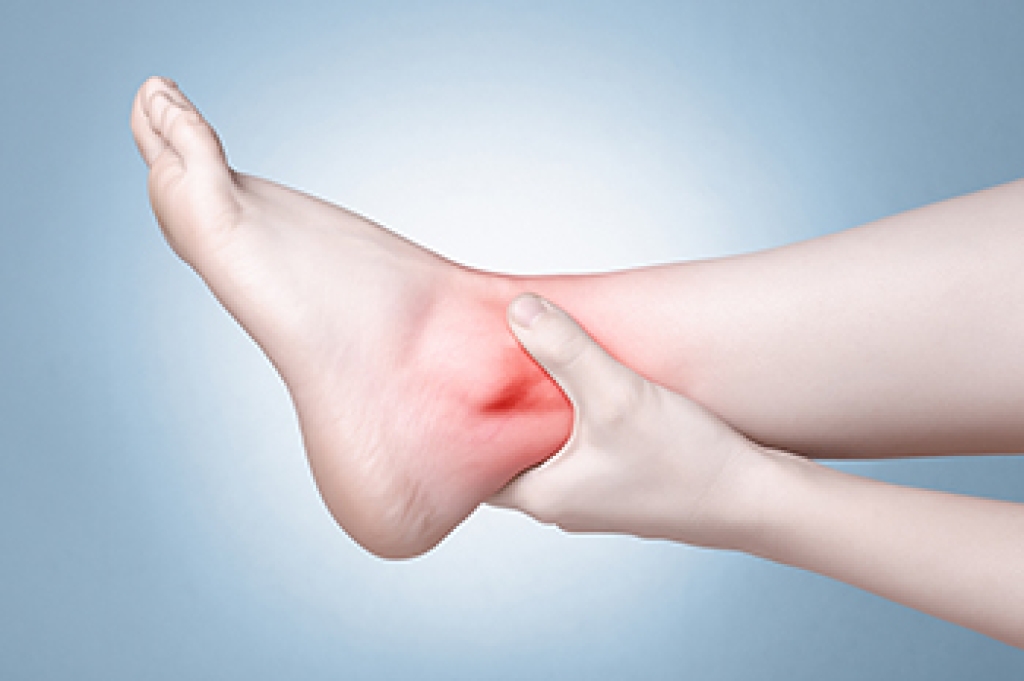
The ankle is a complex joint. It is made up of bones, muscles, ligaments, and tendons. It is connected to two bones in the lower leg called the tibia and fibula at the ankle joint or talus. The tibia is the shinbone, and the fibula is the lower leg bone. Ligaments and tendons connect the talus to the heel and other foot bones. There are also blood vessels, nerves, and other tissues in the ankle area, which can be impacted by different diseases. Ankle pain is a symptom often felt by active people and athletes. However, all people may experience ankle pain. Reasons for such pain vary. It is important to understand its root cause to be treated properly. Ankle pain is unlikely to be a result of a bone fracture. Such pain can be associated with edema or leg swelling, nerve-related issues, arthritis, or a sprain, strain, or tendonitis. If you are suffering from ankle pain that does not resolve itself with rest or worsens, it is suggested that you see a podiatrist for a proper evaluation and treatment plan.
Ankle pain can have many different causes and the pain may potentially be serious. If you have ankle pain, consult with Gary Saphire, DPM from Parkway Podiatry. Our doctor will assess your condition and provide you with quality foot and ankle treatment.
Ankle pain is any condition that causes pain in the ankle. Due to the fact that the ankle consists of tendons, muscles, bones, and ligaments, ankle pain can come from a number of different conditions.
Causes
The most common causes of ankle pain include:
Types of arthritis (rheumatoid, osteoarthritis, and gout)
Ankle sprains
Broken ankles
Achilles tendinitis
Achilles tendon rupture
Stress fractures
Tarsal tunnel syndrome
Plantar fasciitis
Symptoms
Symptoms of ankle injury vary based upon the condition. Pain may include general pain and discomfort, swelling, aching, redness, bruising, burning or stabbing sensations, and/or loss of sensation.
Diagnosis
Due to the wide variety of potential causes of ankle pain, podiatrists will utilize a number of different methods to properly diagnose ankle pain. This can include asking for personal and family medical histories and of any recent injuries. Further diagnosis may include sensation tests, a physical examination, and potentially x-rays or other imaging tests.
Treatment
Just as the range of causes varies widely, so do treatments. Some more common treatments are rest, ice packs, keeping pressure off the foot, orthotics and braces, medication for inflammation and pain, and surgery.
If you have any questions please feel free to contact our office located in Brooklyn, NY. We offer the newest diagnostic tools and technology to treat your foot and ankle needs.