Like us on facebook
Follow us on twitter
review us on google

Common Causes of Heel Pain

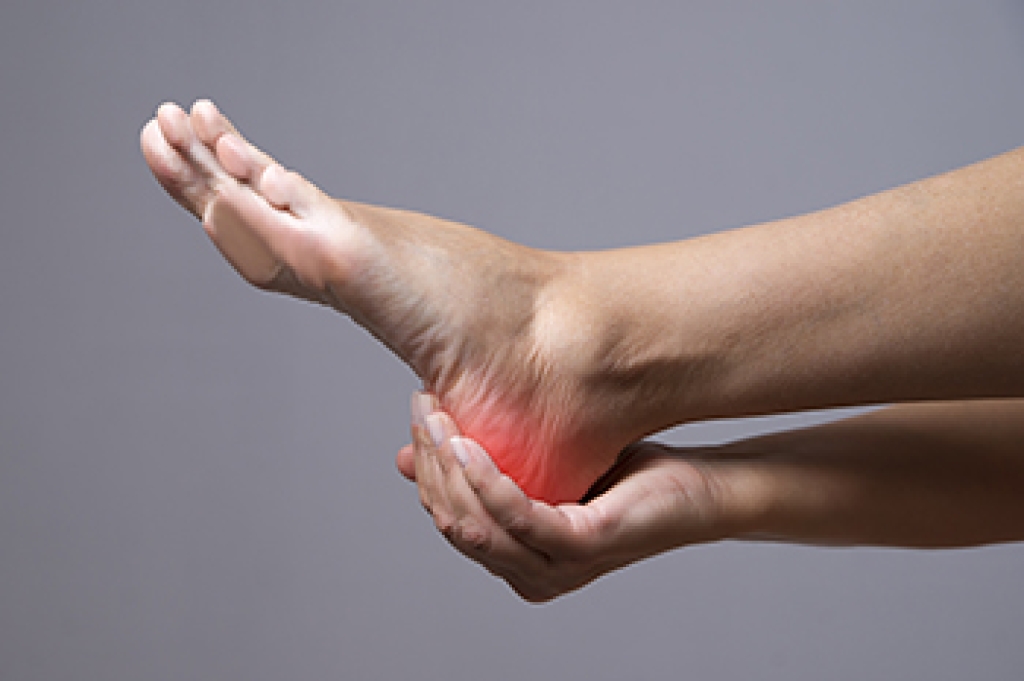
Two common causes of heel pain are plantar fasciitis and heel spurs. Each foot has 28 bones, 30 joints, and more than 100 muscles, ligaments, and tendons. All of these structures work in tandem to provide weight-bearing and forward movement. The heel bone, or calcaneus, is the largest bone in the foot, and is a common site for injury as a result of walking style, or gait. Plantar fasciitis is caused by microtears in the connective tissue under the foot. This is typically caused by overstretching and can produce pain in the heel and arch areas of the foot. Pain is often worse in the morning when the first steps are taken. A heel spur is a bony overgrowth on the heel that can cause severe pain while standing or walking. Heel spurs can be common among those with plantar fasciitis. For a proper diagnosis and treatment of your heel pain, it is suggested that you consult with a podiatrist.

Many people suffer from bouts of heel pain. For more information, contact Gary Saphire, DPM of Parkway Podiatry. Our doctor can provide the care you need to keep you pain-free and on your feet.

Causes of Heel Pain

Heel pain is often associated with plantar fasciitis. The plantar fascia is a band of tissues that extends along the bottom of the foot. A rip or tear in this ligament can cause inflammation of the tissue.

Achilles tendonitis is another cause of heel pain. Inflammation of the Achilles tendon will cause pain from fractures and muscle tearing. Lack of flexibility is also another symptom.

Heel spurs are another cause of pain. When the tissues of the plantar fascia undergo a great deal of stress, it can lead to ligament separation from the heel bone, causing heel spurs.

Why Might Heel Pain Occur?

  • Wearing ill-fitting shoes                
  • Wearing non-supportive shoes
  • Weight change           
  • Excessive running

Treatments

Heel pain should be treated as soon as possible for immediate results. Keeping your feet in a stress-free environment will help. If you suffer from Achilles tendonitis or plantar fasciitis, applying ice will reduce the swelling. Stretching before an exercise like running will help the muscles. Using all these tips will help make heel pain a condition of the past.

If you have any questions, please feel free to contact our office located in Brooklyn, NY . We offer the newest diagnostic and treatment technologies for all your foot care needs.
Read more about Heel Pain

Development of Baby's Feet

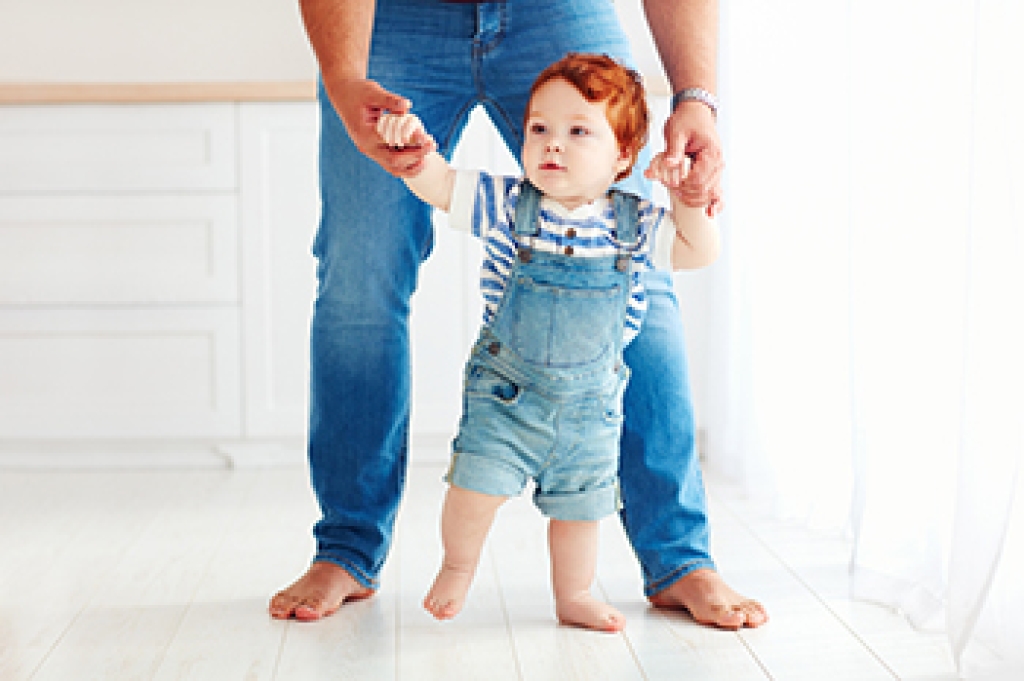
Babies’ feet may look like miniature versions of adult feet, but that is only true on the outside. Early development enables the baby to find various ways to move their feet. This generally begins with wiggling their toes to gradually walking. During the crawling stage, the child’s feet will grow approximately three sizes, and the cartilage will start to form into bones. Eventually, this will add up to 26 bones and numerous joints, tendons, and muscles that make the adult foot. It is beneficial to have your child crawl and walk barefoot while indoors. This can help the toes and feet become strong. When the first shoes are purchased, make sure they are made of breathable materials, and having soft soles can help the toes stretch. There are many stages to a child’s foot development, and it is suggested that you consult with a podiatrist to learn more.

Making sure that your children maintain good foot health is very important as they grow. If you have any questions, contact Gary Saphire, DPM of Parkway Podiatry. Our doctor can provide the care you need to keep you pain-free and on your feet.

Keeping Children's Feet Healthy

Having healthy feet during childhood can help prevent medical problems later in life, namely in the back and legs. As children grow, their feet require different types of care. Here are some things to consider...

Although babies do not walk yet, it is still very important to take care of their feet.

Avoid putting tight shoes or socks on his or her feet.

Allow the baby to stretch and kick his or her feet to feel comfortable.

As a toddler, kids are now on the move and begin to develop differently. At this age, toddlers are getting a feel for walking, so don’t be alarmed if your toddler is unsteady or ‘walks funny’. 

As your child gets older, it is important to teach them how to take care of their feet.

Show them proper hygiene to prevent infections such as fungus.

Be watchful for any pain or injury.

Have all injuries checked by a doctor as soon as possible.

Comfortable, protective shoes should always be worn, especially at play.

If you have any questions, please feel free to contact our office located in Brooklyn, NY . We offer the newest diagnostic and treatment technologies for all your foot care needs.
Read more about What to Do to Keep Your Child’s Feet Healthy

I Think I Broke My Pinky Toe

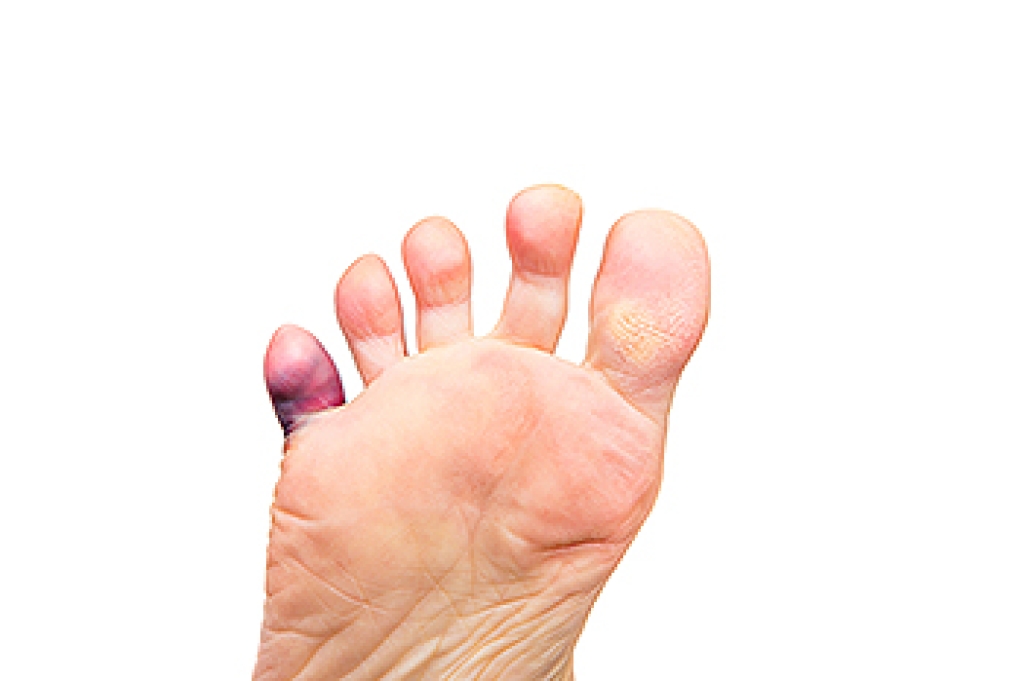
Though the pinky toe is the smallest toe on the foot, the pain from a break of this toe can be enormous. Such a break can happen from tripping, falling, stubbing, or dropping something on it. A broken pinky toe might become swollen and bruised, and it will likely be sore when walking on it. Sometimes the broken toe can be taped to the toe next to it for extra stability. This is known as “buddy taping,” and a podiatrist should do this so the toe heals properly. If you see that a bone has broken through the skin or the toe looks deformed, it is imperative to get immediate medical attention. Otherwise, the broken toe will not heal in a reasonable time and the pain can worsen. If you have sustained a toe injury of any kind, it is suggested to contact a podiatrist for a proper diagnosis and treatment. 

Broken toes may cause a lot of pain and should be treated as soon as possible. If you have any concerns about your feet, contact Gary Saphire, DPM from Parkway Podiatry. Our doctor will treat your foot and ankle needs.

What Is a Broken Toe?

A broken toe occurs when one or more of the toe bones of the foot are broken after an injury. Injuries such as stubbing your toe or dropping a heavy object on it may cause a toe fracture.

Symptoms of a Broken Toe

  • Swelling
  • Pain (with/without wearing shoes)
  • Stiffness
  • Nail Injury

Although the injured toe should be monitored daily, it is especially important to have a podiatrist look at your toe if you have severe symptoms. Some of these symptoms include worsening or new pain that is not relieved with medication, sores, redness, or open wounds near the toe.

If you have any questions please feel free to contact our office located in Brooklyn, NY . We offer the newest diagnostic tools and technology to treat your foot and ankle needs.

Read more about What to Know About a Broken Toe

Blisters and Vaseline

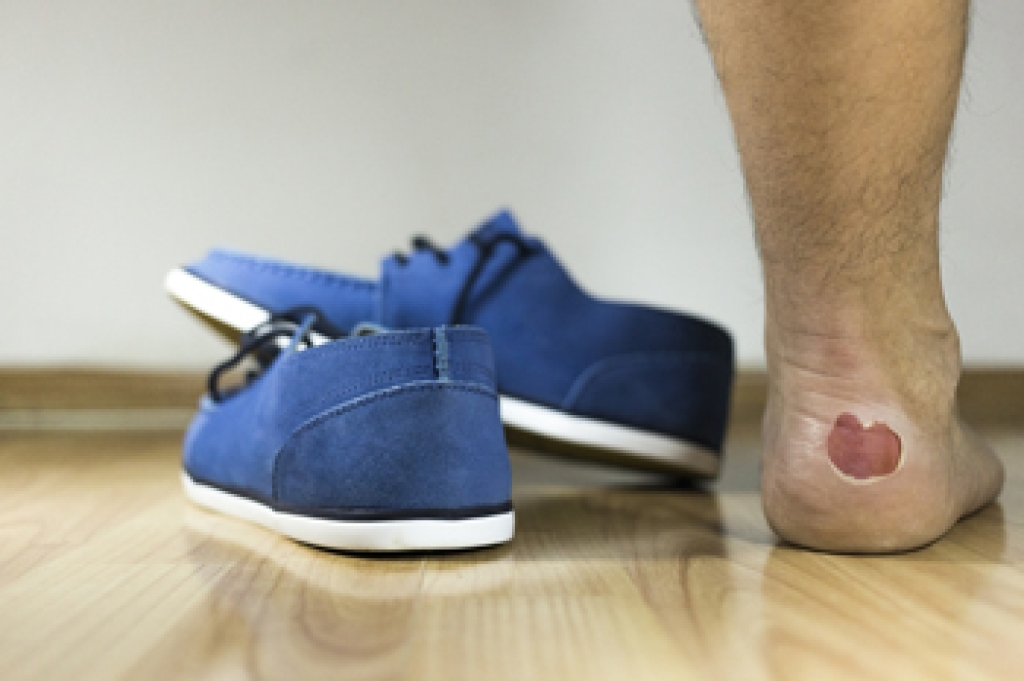
If you are someone who wears shoes that rub up against your skin or shoes that are simply too tight, you may be putting yourself at an increased risk of developing blisters. Blisters on the feet are certainly nothing to take too lightly. These blisters may develop on the feet in different areas such as the heels and toes. If you have a blister that falls off prematurely, leaving a wound exposed, a podiatrist can help you address this problem. Depending on the nature of the blister and your particular case, a podiatrist may suggest a variety of different things. For example, a podiatrist may recommend that you would benefit most from applying petroleum jelly to the wound and covering it with a bandage. The goal of taking these steps is to facilitate the healing of the underlying wound. Please contact a podiatrist today for more information and correct treatment options.

Blisters are prone to making everyday activities extremely uncomfortable. If your feet are hurting, contact Gary Saphire, DPM of Parkway Podiatry. Our doctor can provide the care you need to keep you pain-free and on your feet.

Foot Blisters

Foot blisters develop as a result of constantly wearing tight or ill-fitting footwear. This happens due to the constant rubbing from the shoe, which can often lead to pain.

What Are Foot Blisters?

A foot blister is a small fluid-filled pocket that forms on the upper-most layer of the skin. Blisters are filled with clear fluid and can lead to blood drainage or pus if the area becomes infected.

How Do Blisters Form?

Blisters on the feet are often the result of constant friction of skin and material, usually by shoe rubbing. Walking in sandals, boots, or shoes that don’t fit properly for long periods of time can result in a blister. Having consistent foot moisture and humidity can easily lead to blister formation.

Prevention & Treatment

It is important to properly care for the affected area in order to prevent infection and ease the pain. Do not lance the blister and use a Band-Aid to provide pain relief. Also, be sure to keep your feet dry and wear proper fitting shoes. If you see blood or pus in a blister, seek assistance from a podiatrist.

If you have any questions, please feel free to contact our office located in Brooklyn, NY . We offer the newest diagnostic and treatment technologies for all your foot care needs.

Read more about Blisters on the Feet
scroll to top