Like us on facebook
Follow us on twitter
review us on google

Requirements to Become a Podiatrist

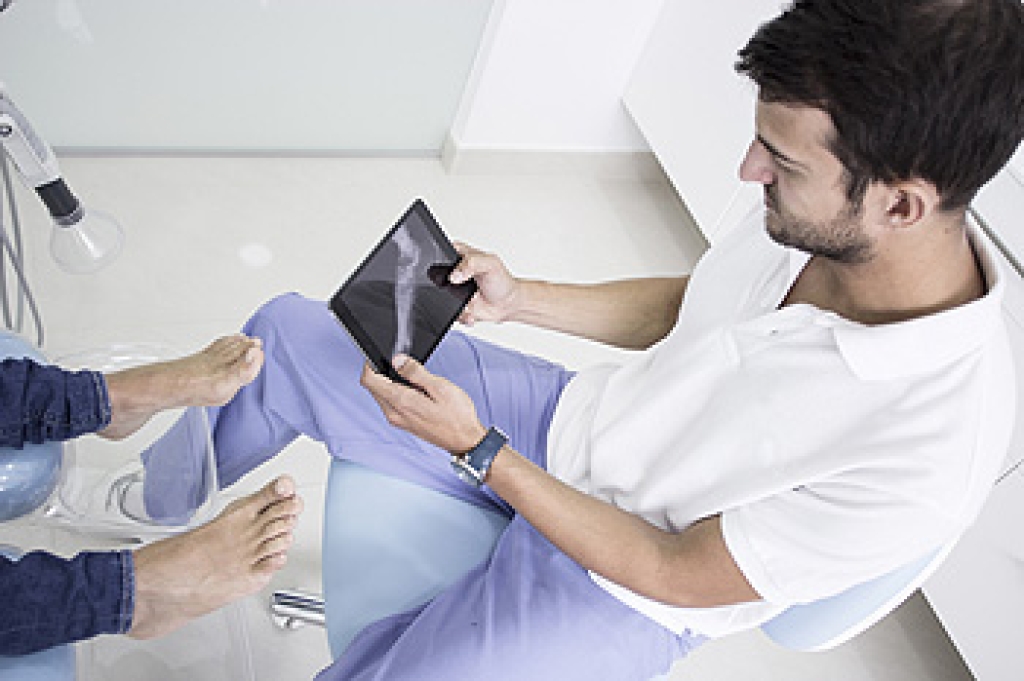
Becoming a podiatrist, who is a specialized medical professional focusing on foot and ankle health, involves a well-defined educational journey. An interested student will typically need to complete a bachelor's degree in a related field, such as biology or premed. After this foundation, a Doctor of Podiatric Medicine, or DPM, degree is obtained, which is a comprehensive four-year program. During the DPM program, the subjects studied can include anatomy, physiology, and podiatric medicine, accompanied by clinical training. This phase will provide hands-on experience and exposure to various foot and ankle conditions. Following graduation, the competent student will likely complete a residency program, which can last from two to four years, focusing on specialized areas, such as surgery or sports medicine. The final step is to obtain licensure by passing state-specific exams. Becoming a podiatrist requires dedication, a strong educational foundation, and a commitment to promoting foot health. If you have questions about the field of podiatry, it is suggested that you confer with a podiatrist who can provide you with pertinent information. 

If you are experiencing pain in the feet or ankles, don’t join the stubborn majority refusing treatment. Feel free to contact Gary Saphire, DPM from Parkway Podiatry. Our doctor can provide the care you need to keep you pain-free and on your feet.

What Is a Podiatrist?

Someone would seek the care of a podiatrist if they have suffered a foot injury or have common foot ailments such as heal spurs, bunions, arch problems, deformities, ingrown toenails, corns, foot and ankle problems, etc.

Podiatric Treatment

A podiatrist will treat the problematic areas of the feet, ankle or lower leg by prescribing the following:

  • Physical therapy
  • Drugs
  • Orthotic inserts or soles
  • Surgery on lower extremity fractures

A common podiatric procedure a podiatrist will use is a scanner or force plate which will allow the podiatrist to know the designs of orthotics. Patients are then told to follow a series of tasks to complete the treatment. The computer will scan the foot a see which areas show weight distribution and pressure points. The podiatrist will read the analysis and then determine which treatment plans are available.

If you have any questions, please feel free to contact our office located in Brooklyn, NY . We offer the newest diagnostic and treatment technologies for all your foot care needs.
Read more about What is a Podiatrist?

Exploring Laser Treatment for Neuropathy

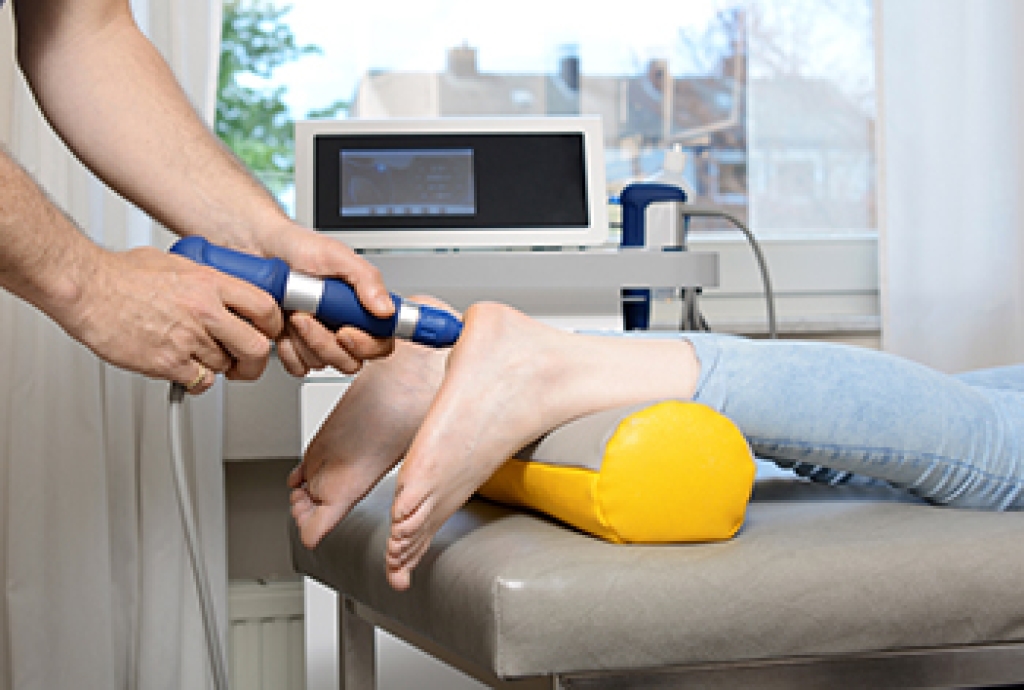
Neuropathy is a nerve-related condition causing tingling, numbness, and pain, and can greatly diminish the quality of life. In the realm of medical advancements, laser treatment emerges as a ray of hope for those grappling with neuropathic discomfort. Laser treatment for neuropathy involves the application of specific wavelengths of light to targeted areas. These photons penetrate the skin, stimulating cellular activity, and promoting circulation. This process prompts the release of endorphins, natural pain relievers that provide relief from neuropathic symptoms. By fostering cellular repair and reducing inflammation, laser treatment can aid in restoring nerve function and minimizing discomfort. This approach is non-invasive and offers a promising alternative to traditional therapies. If you are experiencing neuropathy that affects the feet, it is suggested that you confer with a podiatrist who can help you consider if laser treatment is the right approach for you.

MLS Laser Therapy is a successful alternative for treating any pain you may be experiencing related to certain podiatric conditions.  If you are interested in MLS Laser Therapy, consult with Gary Saphire, DPM from Parkway Podiatry. Our doctor will assess your condition and provide you with quality foot and ankle treatment.

MLS Laser Therapy

Multiwave Locked System (MLS) Laser Therapy is a patented, FDA-cleared technology that helps relieve pain and inflammation from a number of podiatric conditions, including:

  • Heel Pain
  • Plantar Fasciitis
  • Sports Injuries
  • Wounds
  • Achilles Tendonitis
  • Arthritis
  • Neuropathy
  • Neuromas

MLS Laser Therapy is an ideal alternative to surgery and prescription medication, as it has no negative side effects and encourages accelerated healing. Among its many clinical benefits, MLS Laser Therapy also:

  • Reduces swelling due to bruising or inflammation
  • Blocks pain
  • Reduces formation of scar tissue
  • Improves nerve function

If you have any questions, please feel free to contact our office located in Brooklyn, NY . We offer the newest diagnostic and treatment technologies for all your foot care needs.

Read more about MLS Laser Therapy

Causes of Cracked Heels

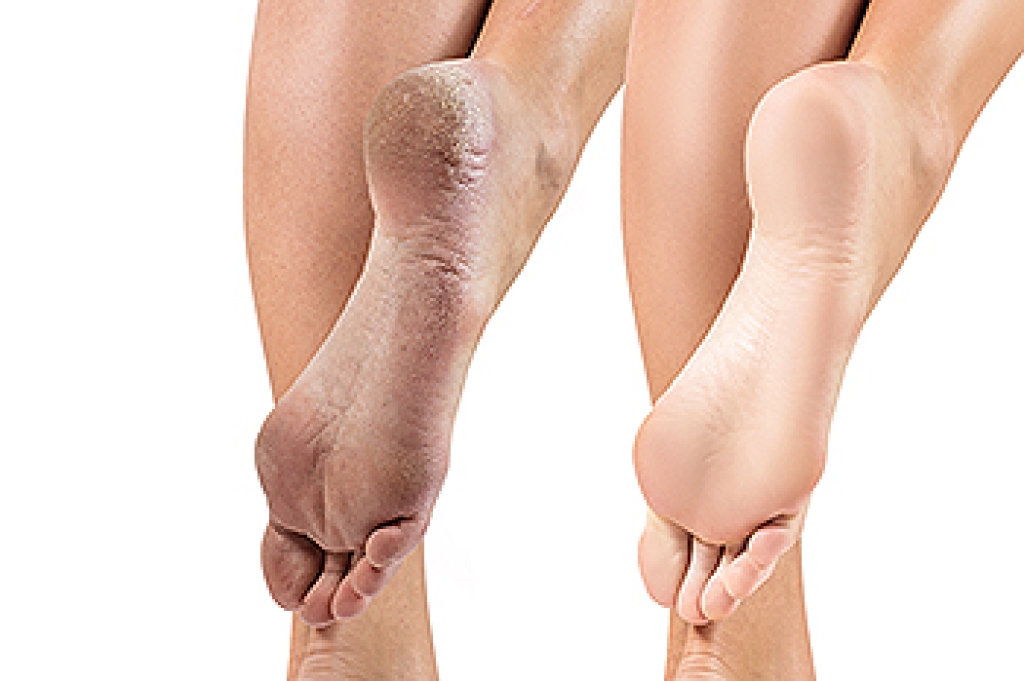
Cracked heels are a common foot ailment stemming from dry and thickened skin around the heel edge. While they often cause cosmetic concerns, they can also trigger discomfort and pain. When left untreated, cracked heels may even lead to infection. Studies indicate that among adults who have encountered cracked skin on their feet, women report the condition more frequently than men. Deep cracks can be painful and bleed, particularly while standing. Obesity, wearing ill-fitting shoes, and prolonged standing can contribute to developing cracked heels. The skin's lack of moisture and decreased elasticity, especially under the heel's fat pad, can worsen the situation. Additional culprits include wearing open-back or poorly fitting shoes, friction, improper gait, and dry, cold weather. Additionally,  athlete's foot, fungal infections, and heel spurs can significantly contribute to getting cracked heels. Countermeasures involve moisturizers, keratolytic creams, cotton socks, and liquid bandages. If soreness, redness, swelling, or severe pain from cracked heels persists for days, it is suggested that you consult with a podiatrist for a consultation and treatment.

If the skin on your feet starts to crack, you may want to see a podiatrist to find treatment. If you have any concerns, contact Gary Saphire, DPM from Parkway Podiatry. Our doctor can provide the care you need to keep you pain-free and on your feet.

Cracked Heels

It is important to moisturize your cracked heels in order to prevent pain, bleeding, and infection. The reason cracked heels form is because the skin on the foot is too dry to support the immense pressure placed on them. When the foot expands, the dry skin on the foot begins to split.

Ways to Help Heal Them

  • Invest in a good foot cream
  • Try Using Petroleum Jelly
  • Ease up on Soaps
  • Drink Plenty of Water

Ways to Prevent Cracked Heels

  • Moisturize After Showering
  • Skip a Shower
  • Keep Shower Water Lukewarm
  • Don’t Scrub Your Feet

If you are unsure how to proceed in treating cracked heels, seek guidance from a podiatrist. Your doctor will help you with any questions or information you may need. 

If you have any questions, please feel free to contact our office located in Brooklyn, NY . We offer the newest diagnostic and treatment technologies for all your foot care needs.
Read more about Solutions for Cracked Heels

Causes of an Achilles Tendon Rupture

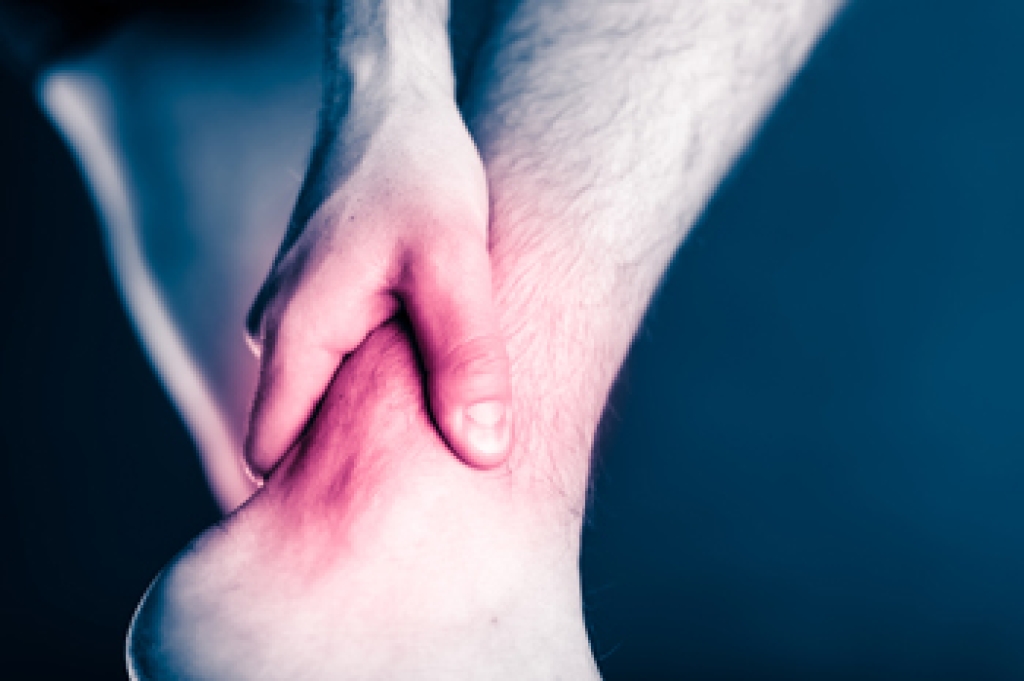
Achilles tendon injuries, particularly ruptures, can be painful and debilitating. This essential tendon, which connects the calf muscles to the heel bone, plays a pivotal role in activities like running, jumping, and pushing off with the foot. Achilles tendon ruptures can be caused by falling from a great height, stumbling into holes, and engaging in sports that demand forceful foot movements, like sprint starts. Even a deep cut over the tendon site can lead to a rupture. Risk factors for an Achilles tendon rupture include age because natural wear and tear over time weaken the tendon. Those with a history of Achilles tendonitis or prior injuries to the tendon are at an elevated risk. Conditions such as obesity, rheumatoid arthritis, and gout can also contribute to Achilles tendon injuries. Inappropriate footwear is yet another factor that can strain the tendon. Engaging in activities with caution, wearing proper footwear, addressing underlying medical conditions, and seeking prompt treatment for previous injuries are important steps in safeguarding the Achilles tendon's health and minimizing the risk of rupture. If you believe you have an Achilles tendon injury, it is suggested that you make an appointment with a podiatrist for a diagnosis and treatment options.

Achilles tendon injuries need immediate attention to avoid future complications. If you have any concerns, contact Gary Saphire, DPM of Parkway Podiatry. Our doctor can provide the care you need to keep you pain-free and on your feet.

What Is the Achilles Tendon?

The Achilles tendon is a tendon that connects the lower leg muscles and calf to the heel of the foot. It is the strongest tendon in the human body and is essential for making movement possible. Because this tendon is such an integral part of the body, any injuries to it can create immense difficulties and should immediately be presented to a doctor.

What Are the Symptoms of an Achilles Tendon Injury?

There are various types of injuries that can affect the Achilles tendon. The two most common injuries are Achilles tendinitis and ruptures of the tendon.

Achilles Tendinitis Symptoms

  • Inflammation
  • Dull to severe pain
  • Increased blood flow to the tendon
  • Thickening of the tendon

Rupture Symptoms

  • Extreme pain and swelling in the foot
  • Total immobility

Treatment and Prevention

Achilles tendon injuries are diagnosed by a thorough physical evaluation, which can include an MRI. Treatment involves rest, physical therapy, and in some cases, surgery. However, various preventative measures can be taken to avoid these injuries, such as:

  • Thorough stretching of the tendon before and after exercise
  • Strengthening exercises like calf raises, squats, leg curls, leg extensions, leg raises, lunges, and leg presses

If you have any questions please feel free to contact our office located in Brooklyn, NY . We offer the newest diagnostic tools and technology to treat your foot and ankle needs.

Read more about The Causes, Types, and Treatments of Achilles Tendon Injuries
scroll to top