Like us on facebook
Follow us on twitter
review us on google

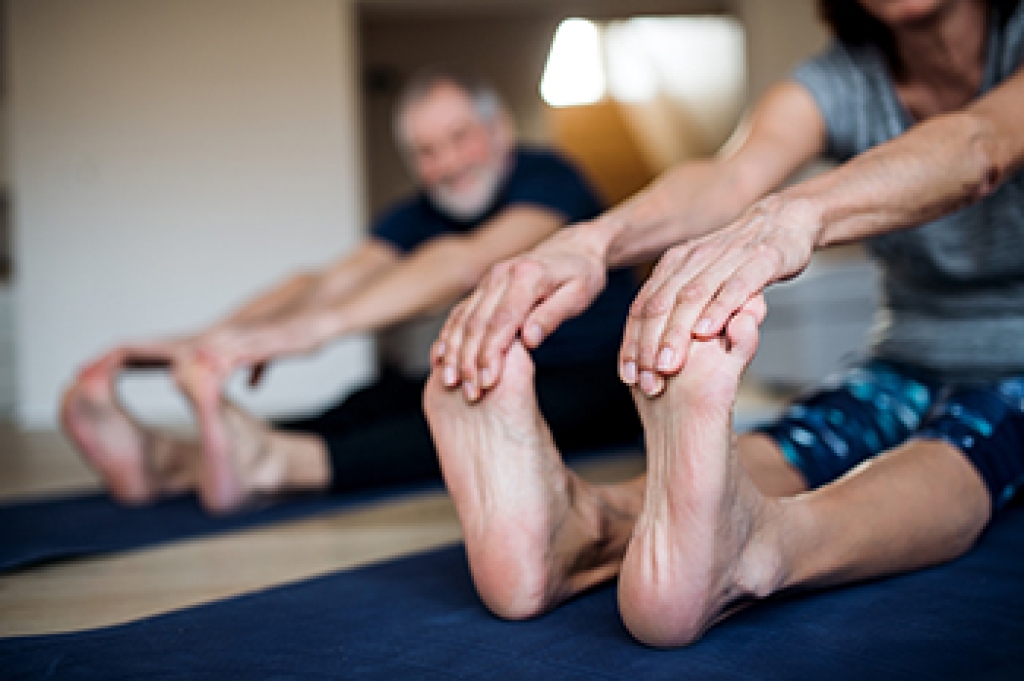
Plantar Fasciitis Stretches

Plantar fasciitis is a common cause of heel pain, primarily resulting from inflammation of the plantar fascia, the thick band of tissue running along the bottom of the foot. Common causes can include excessive stress from high-impact activities, prolonged standing, wearing unsupportive footwear, or being overweight. Symptoms typically include a sharp, stabbing pain in the heel, especially noticeable with the first steps in the morning or after prolonged periods of rest. Treatment focuses on reducing inflammation and relieving pain. Effective stretches include the calf stretch, where you press against a wall with one leg forward and the other extended back. Another is the plantar fascia stretch, where you pull your toes toward your shin while seated. Wearing supportive shoes or custom orthotics, in addition to performing these stretches, can provide significant relief. If you are experiencing symptoms of plantar fasciitis, it is suggested you schedule an appointment with a podiatrist for expert care to effectively manage your condition and improve your foot health.

Plantar fasciitis can be very painful and inconvenient. If you are experiencing heel pain or symptoms of plantar fasciitis, contact Gary Saphire, DPM  from Parkway Podiatry. Our doctor can provide the care you need to keep you pain-free and on your feet.

What Is Plantar Fasciitis?

Plantar fasciitis is the inflammation of the thick band of tissue that runs along the bottom of your foot, known as the plantar fascia, and causes mild to severe heel pain.

What Causes Plantar Fasciitis?

  • Excessive running
  • Non-supportive shoes
  • Overpronation
  • Repeated stretching and tearing of the plantar fascia

How Can It Be Treated?

  • Conservative measures – anti-inflammatories, ice packs, stretching exercises, physical therapy, orthotic devices
  • Shockwave therapy – sound waves are sent to the affected area to facilitate healing and are usually used for chronic cases of plantar fasciitis
  • Surgery – usually only used as a last resort when all else fails. The plantar fascia can be surgically detached from the heel

While very treatable, plantar fasciitis is definitely not something that should be ignored. Especially in severe cases, speaking to your doctor right away is highly recommended to avoid complications and severe heel pain. Your podiatrist can work with you to provide the appropriate treatment options tailored to your condition.

If you have any questions, please feel free to contact our office located in Brooklyn, NY . We offer the newest diagnostic and treatment technologies for all your foot care needs.
Read more about Plantar Fasciitis

Variety of Orthotics

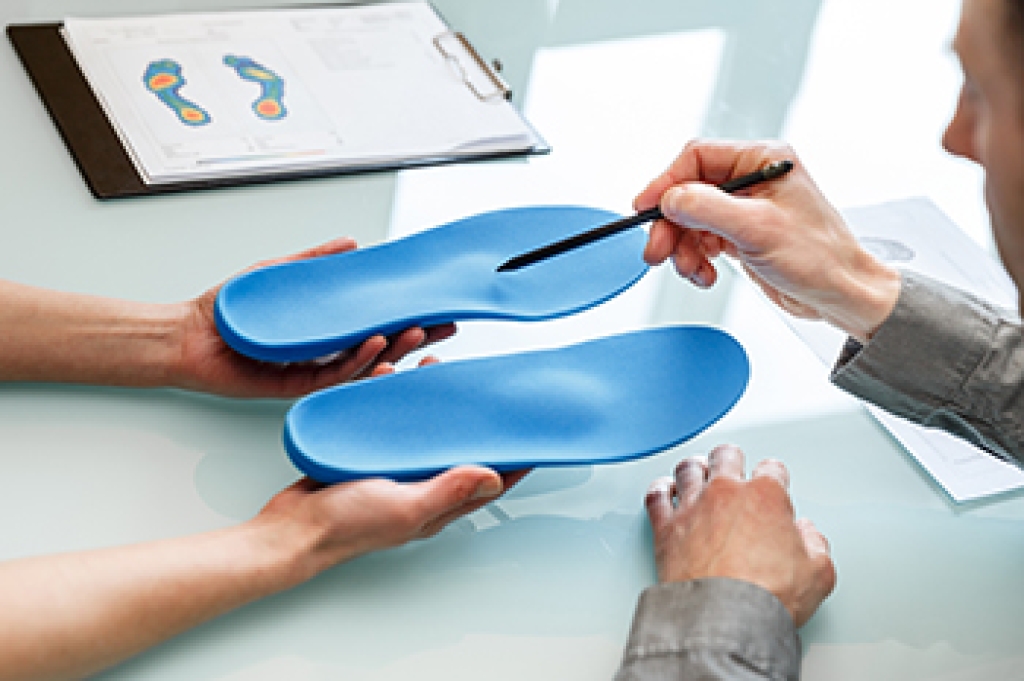
Orthotics are shoe inserts that support and align the foot, helping to address various conditions like flat feet, plantar fasciitis, or overpronation. They are made from various materials, including plastic, foam, and carbon fiber, which offer different levels of support and flexibility. Soft orthotics provide cushioning and are ideal for relieving pressure on sore spots, while rigid orthotics offer more structural support, beneficial for controlling motion in the joints. Semi-rigid orthotics strike a balance between comfort and support, making them versatile for various activities. Athletic shoes often come equipped with built-in arch supports and heel cups to enhance comfort and performance. These features help distribute pressure evenly across the foot, reduce strain on the arches, and stabilize the heel during movement. Whether you need extra support for a specific condition or enhanced comfort during exercise, it is suggested that you schedule an appointment with a podiatrist to see if orthotics can help you.

If you are having discomfort in your feet and would like to try orthotics, contact Gary Saphire, DPM from Parkway Podiatry. Our doctor can provide the care you need to keep you pain-free and on your feet.

What Are Orthotics?

Orthotics are inserts you can place into your shoes to help with a variety of foot problems such as flat feet or foot pain. Orthotics provide relief and comfort for minor foot and heel pain but can’t correct serious biomechanical problems in your feet.

Over-the-Counter Inserts

Orthotics come in a wide variety of over-the-counter inserts that are used to treat foot pain, heel pain, and minor problems. For example, arch supports can be inserted into your shoes to help correct overarched or flat feet, while gel insoles are often used because they provide comfort and relief from foot and heel pain by alleviating pressure.

Prescription Orthotics

If over-the-counter inserts don’t work for you or if you have a more severe foot concern, it is possible to have your podiatrist prescribe custom orthotics. These high-quality inserts are designed to treat problems such as abnormal motion, plantar fasciitis, and severe forms of heel pain. They can even be used to help patients suffering from diabetes by treating foot ulcers and painful calluses and are usually molded to your feet individually, which allows them to provide full support and comfort.

If you are experiencing minor to severe foot or heel pain, it’s recommended to speak with your podiatrist about the possibilities of using orthotics. A podiatrist can determine which type of orthotic is right for you and allow you to take the first steps towards being pain-free.

If you have any questions, please feel free to contact our office located in Brooklyn, NY . We offer the newest diagnostic and treatment technologies for all your foot care needs.
Read more about Foot Orthotics

It's Time for Beautiful Feet

You don't need an excuse to have beautiful nails. Step outside without worrying about the appearance of your feet.

What Are Gout Tophi?

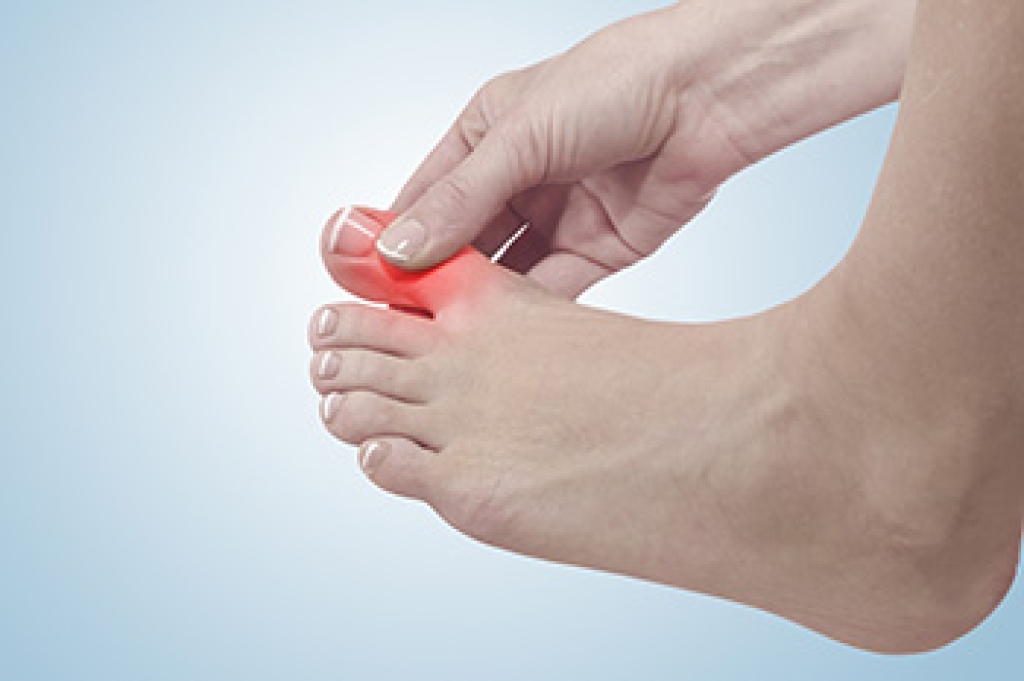
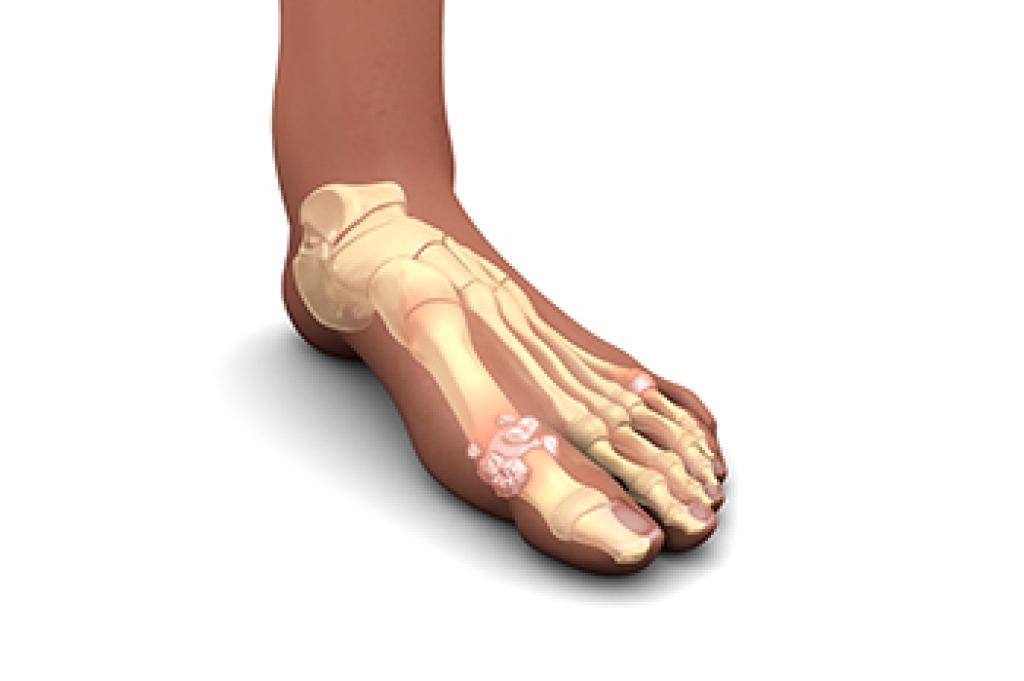
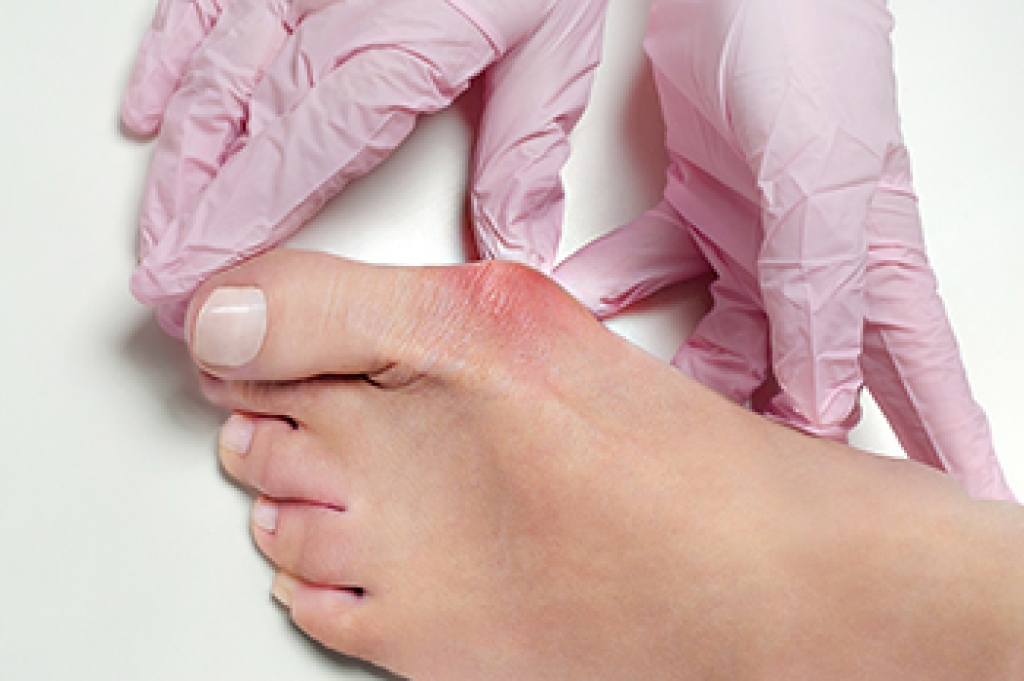
Gout is a type of arthritis caused by a buildup of uric acid in the bloodstream. This acid can crystallize and become lodged in the joints of the feet, particularly the big toe, leading to sudden and intense pain, swelling, and inflammation. Gout typically flares up and then goes away, only to flare up again. It can become a chronic condition if measures are not taken to prevent future flare-ups. Chronic gout can cause large, visible bumps, called tophi, to form in bones, joints, or cartilage. Tophi are made of urate crystals and are usually not painful unless they become infected or press on a nerve. But although they’re not painful in and of themselves, tophi are problematic because they can damage joints, destroy cartilage, and eventually lead to bone erosion, deformity, and disability. For more information about gout, it is suggested you consult with a podiatrist. 

Gout is a painful condition that can be treated. If you are seeking treatment, contact Gary Saphire, DPM from Parkway Podiatry. Our doctor will treat your foot and ankle needs.

What Is Gout?

Gout is a form of arthritis that is characterized by sudden, severe attacks of pain, redness, and tenderness in the joints. The condition usually affects the joint at the base of the big toe. A gout attack can occur at any random time, such as the middle of the night while you are asleep.

Symptoms

  • Intense Joint Pain - Usually around the large joint of your big toe, and it most severe within the first four to twelve hours
  • Lingering Discomfort - Joint discomfort may last from a few days to a few weeks
  • Inflammation and Redness -Affected joints may become swollen, tender, warm and red
  • Limited Range of Motion - May experience a decrease in joint mobility

Risk Factors

  • Genetics - If family members have gout, you’re more likely to have it
  • Medications - Diuretic medications can raise uric acid levels
  • Gender/Age - Gout is more common in men until the age of 60. It is believed that estrogen protects women until that point
  • Diet - Eating red meat and shellfish increases your risk
  • Alcohol - Having more than two alcoholic drinks per day increases your risk
  • Obesity - Obese people are at a higher risk for gout

Prior to visiting your podiatrist to receive treatment for gout, there are a few things you should do beforehand. If you have gout you should write down your symptoms--including when they started and how often you experience them, important medical information you may have, and any questions you may have. Writing down these three things will help your podiatrist in assessing your specific situation so that he or she may provide the best route of treatment for you.

If you have any questions, please feel free to contact our office located in Brooklyn, NY . We offer the newest diagnostic and treatment technologies for all your foot care needs.
Read more about Everything You Need to Know About Gout

What Is Hallux Rigidus?

Hallux rigidus is a form of degenerative arthritis affecting the joint at the base of the big toe. This condition leads to stiffness, pain, and limited movement in the toe, often making walking or other activities difficult. The primary cause of hallux rigidus is wear and tear of the cartilage in the joint, which can result from repetitive use, injury, or genetic predisposition. People at risk for hallux rigidus include those with a family history of the condition, athletes, or individuals whose activities put repeated stress on the big toe joint, such as dancers or certain laborers. Treatment options vary depending on the severity and can include non-surgical approaches like targeted stretching exercises, anti-inflammatory medications, and custom orthotics to reduce pressure on the toe. In more severe cases, surgery may be necessary to alleviate pain and restore mobility. If you have big toe pain, it is suggested that you schedule an appointment with a podiatrist for a proper diagnosis and treatment.

Toe pain can disrupt your daily activities. If you have any concerns, contact Gary Saphire, DPM of Parkway Podiatry. Our doctor can provide the care you need to keep you pain-free and on your feet.

What Causes Toe Pain?

Most severe toe pain is caused due to a sports injury, trauma from dropping something heavy on the toe, or bumping into something rigid. Other problems can develop over time for various reasons.

Toe pain can be caused by one or more ailments. The most common include:

  • Trauma
  • Sports injury
  • Wearing shoes that are too tight
  • Arthritis
  • Gout
  • Corns and calluses
  • Hammertoe
  • Bunions
  • Blisters
  • Ingrown toenails
  • Sprains
  • Fractures (broken bones)
  • Dislocations

When to See a Podiatrist

  • Severe pain
  • Persistent pain that lasts more than a week
  • Signs of infection
  • Continued swelling
  • Pain that prevents walking

Diagnosis

In many cases the cause of toe pain is obvious, but in others, a podiatrist may want to use more advanced methods to determine the problem. These can range from simple visual inspections and sensation tests to X-rays and MRI scans. Prior medical history, family medical history, and any recent physical traumatic events will all be taken into consideration for a proper diagnosis.

Treatment

Treatments for toe pain and injuries vary and may include shoe inserts, padding, taping, medicines, injections, and in some cases, surgery. If you believe that you have broken a toe, please see a podiatrist as soon as possible.

If you have any questions please contact our office located in Brooklyn, NY . We offer the newest diagnostic and treatment technologies for all your foot and ankle needs.

Read more about Toe Pain

Types of Corns and Relief Methods

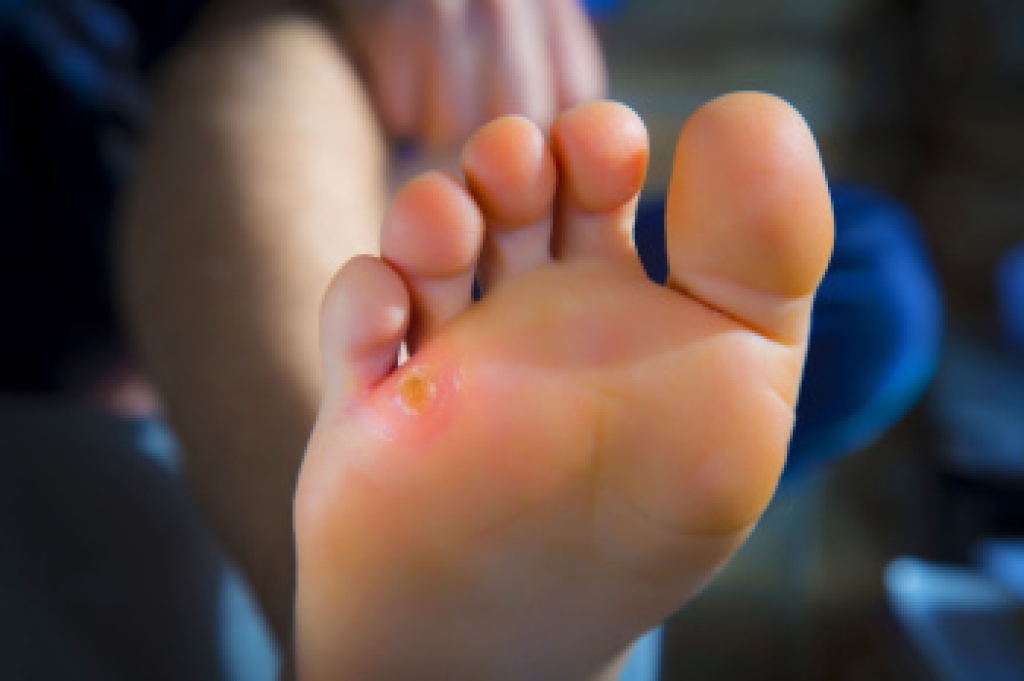
Corns are thickened areas of skin that develop in response to pressure or friction, typically on toes or feet. They form as a protective response, often due to wearing ill-fitting shoes or repetitive rubbing. There are two main types of foot corns. Hard corns are small, concentrated areas of hardened skin on the tops or sides of toes. Soft corns are found between toes where moisture accumulates. Both types can cause discomfort or pain, especially while walking or wearing shoes. Relief can be found through gentle exfoliation, using a pumice stone or foot file to reduce thickness, followed by moisturizing with creams to soften the skin. Wearing properly fitting shoes with adequate toe room can help prevent recurrence. In severe cases, it is suggested you consult a podiatrist for professional treatment, such as trimming or padding, which may be necessary to alleviate discomfort and promote healthy skin.

If you have any concerns regarding your feet and ankles, contact Gary Saphire, DPM of Parkway Podiatry. Our doctor will treat your foot and ankle needs.

Corns: What Are They? and How Do You Get Rid of Them?
Corns can be described as areas of the skin that have thickened to the point of becoming painful or irritating. They are often layers and layers of the skin that have become dry and rough, and are normally smaller than calluses.

Ways to Prevent Corns
There are many ways to get rid of painful corns such as wearing:

  • Well-fitting socks
  • Comfortable shoes that are not tight around your foot
  • Shoes that offer support

Treating Corns
Treatment of corns involves removing the dead skin that has built up in the specific area of the foot. Consult with Our doctor to determine the best treatment option for your case of corns.

If you have any questions, please feel free to contact our office located in Brooklyn, NY . We offer the newest diagnostic and treatment technologies for all your foot care needs.

Read more about Everything You Need to Know About Corns

What Is Hallux Limitus?

Hallux limitus is a condition where movement in the big toe joint is restricted, often due to arthritis or structural abnormalities. Symptoms include pain, stiffness, swelling, and difficulty bending the toe when walking or pushing off during activities. Preventing hallux limitus involves wearing supportive footwear with a wide toe box to reduce pressure on the joint. Toe exercises and maintaining a healthy weight can also help. Treatment options vary depending on the severity and may include shoe modifications, orthotic inserts, physical therapy, or anti-inflammatory medications. In advanced cases, surgical interventions like joint fusion or joint replacement may be necessary to restore function. If you experience persistent pain or notice changes in your toe joint mobility, consulting a podiatrist is suggested. This foot doctor can diagnose the condition accurately, assess its impact on your foot health, and recommend the most effective treatment plan to alleviate symptoms and improve mobility.

Foot Pain

Foot pain can be extremely painful and debilitating. If you have a foot pain, consult with Gary Saphire, DPM from Parkway Podiatry. Our doctor will assess your condition and provide you with quality foot and ankle treatment.

Causes

Foot pain is a very broad condition that could be caused by one or more ailments. The most common include:

  • Bunions
  • Hammertoes
  • Plantar Fasciitis
  • Bone Spurs
  • Corns
  • Tarsal Tunnel Syndrome
  • Ingrown Toenails
  • Arthritis (such as Gout, Rheumatoid, and Osteoarthritis)
  • Flat Feet
  • Injury (from stress fractures, broken toe, foot, ankle, Achilles tendon ruptures, and sprains)
  • And more

Diagnosis

To figure out the cause of foot pain, podiatrists utilize several different methods. This can range from simple visual inspections and sensation tests to X-rays and MRI scans. Prior medical history, family medical history, and any recent physical traumatic events will all be taken into consideration for a proper diagnosis.

Treatment

Treatment depends upon the cause of the foot pain. Whether it is resting, staying off the foot, or having surgery; podiatrists have a number of treatment options available for foot pain.

If you have any questions, please feel free to contact our office located in Brooklyn, NY . We offer the newest diagnostic and treatment technologies for all your foot care needs.

Read more about Foot Pain

When Should Babies Start Wearing Shoes?

Babies do not need shoes until they begin walking outdoors. Until then, crawling or walking barefoot and wearing socks can help the feet to grow and strengthen naturally. Putting shoes on too early can impede proper foot development while restricting movement and growth. When the time is right to choose baby shoes, opt for soft, flexible soles that mimic natural foot motion, allowing toes to grip and flex. Ensure a wide toe box for ample space and breathable materials for comfort. Proper fit is essential, as shoes should be neither too tight nor too loose to prevent blisters and ensure stability. Regularly check for signs of wear and outgrowth to maintain the best support. If you notice any abnormalities concerning your child’s feet, it is suggested that you consult a podiatrist who can treat any foot condition and guide you on proper shoe selection.

The health of a child’s feet is vital to their overall well-being. If you have any questions regarding foot health, contact Gary Saphire, DPM of Parkway Podiatry. Our doctor can provide the care you need to keep you pain-free and on your feet.

Tips for Keeping Children's Feet Healthy

  • Make sure their shoes fit properly
  • Look for any signs of in-toeing or out-toeing
  • Check to see if they have Clubfoot (condition that affects your child’s foot and ankle, twisting the heel and toes inward) which is one of the most common nonmajor birth defects.
  • Lightly cover your baby’s feet (Tight covers may keep your baby from moving their feet freely, and could prevent normal development)
  • Allow your toddler to go shoeless (Shoes can be restricting for a young child’s foot)
  • Cut toenails straight across to avoid ingrown toenails
  • Keep your child’s foot clean and dry
  • Cover cuts and scrapes. Wash any scratches with soap and water and cover them with a bandage until they’ve healed.

If you have any questions, please feel free to contact our office located in Brooklyn, NY . We offer the newest diagnostic and treatment technologies for all your foot care needs.

Read more about How to Care for Your Child's Feet

Reminder: When Was the Last Time...?

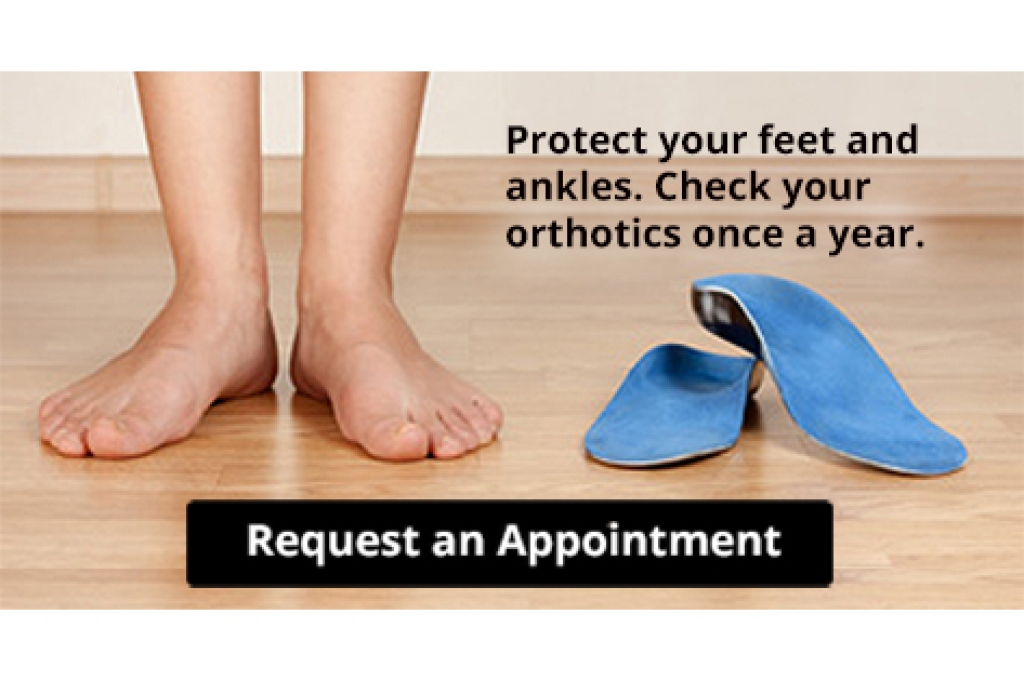
Custom orthotics, or shoe inserts, should be periodically replaced. Orthotics must fit properly to give you the best results. Protect your feet and ankles!

The Pain of Plantar Fasciitis

Plantar fasciitis is a common foot condition characterized by inflammation of the plantar fascia, a thick band of tissue that runs along the bottom of the foot, connecting the heel bone to the toes. It occurs when this tissue is overstretched or overused, often due to excessive running, standing for long periods, or wearing inadequate footwear. The condition manifests as a sharp, stabbing pain in the heel, particularly noticeable with the first steps in the morning or after long periods of inactivity. Those at higher risk include runners, individuals with high arches or flat feet, people who are overweight, and people who wear shoes with poor arch support. Preventing plantar fasciitis involves wearing supportive footwear, maintaining a healthy weight, and incorporating stretching exercises into daily routines to improve flexibility. Treatment options include rest and stretching exercises, For persistent pain, custom orthotics may be necessary. If you have continued heel pain, it is suggested that you schedule an appointment with a podiatrist for a proper diagnosis and treatment.

Plantar fasciitis is a common foot condition that is often caused by a strain injury. If you are experiencing heel pain or symptoms of plantar fasciitis, contact Gary Saphire, DPM from Parkway Podiatry. Our doctor can provide the care you need to keep you pain-free and on your feet.

What Is Plantar Fasciitis?

Plantar fasciitis is one of the most common causes of heel pain. The plantar fascia is a ligament that connects your heel to the front of your foot. When this ligament becomes inflamed, plantar fasciitis is the result. If you have plantar fasciitis you will have a stabbing pain that usually occurs with your first steps in the morning. As the day progresses and you walk around more, this pain will start to disappear, but it will return after long periods of standing or sitting.

What Causes Plantar Fasciitis?

  • Excessive running
  • Having high arches in your feet
  • Other foot issues such as flat feet
  • Pregnancy (due to the sudden weight gain)
  • Being on your feet very often

There are some risk factors that may make you more likely to develop plantar fasciitis compared to others. The condition most commonly affects adults between the ages of 40 and 60. It also tends to affect people who are obese because the extra pounds result in extra stress being placed on the plantar fascia.

Prevention

  • Take good care of your feet – Wear shoes that have good arch support and heel cushioning.
  • Maintain a healthy weight
  • If you are a runner, alternate running with other sports that won’t cause heel pain

There are a variety of treatment options available for plantar fasciitis along with the pain that accompanies it. Additionally, physical therapy is a very important component in the treatment process. It is important that you meet with your podiatrist to determine which treatment option is best for you.

If you have any questions, please feel free to contact our office located in Brooklyn, NY . We offer the newest diagnostic and treatment technologies for all your foot care needs.


Read more about Plantar Fasciitis
scroll to top