Like us on facebook
Follow us on twitter
review us on google

Foot Pain and Rheumatoid Arthritis

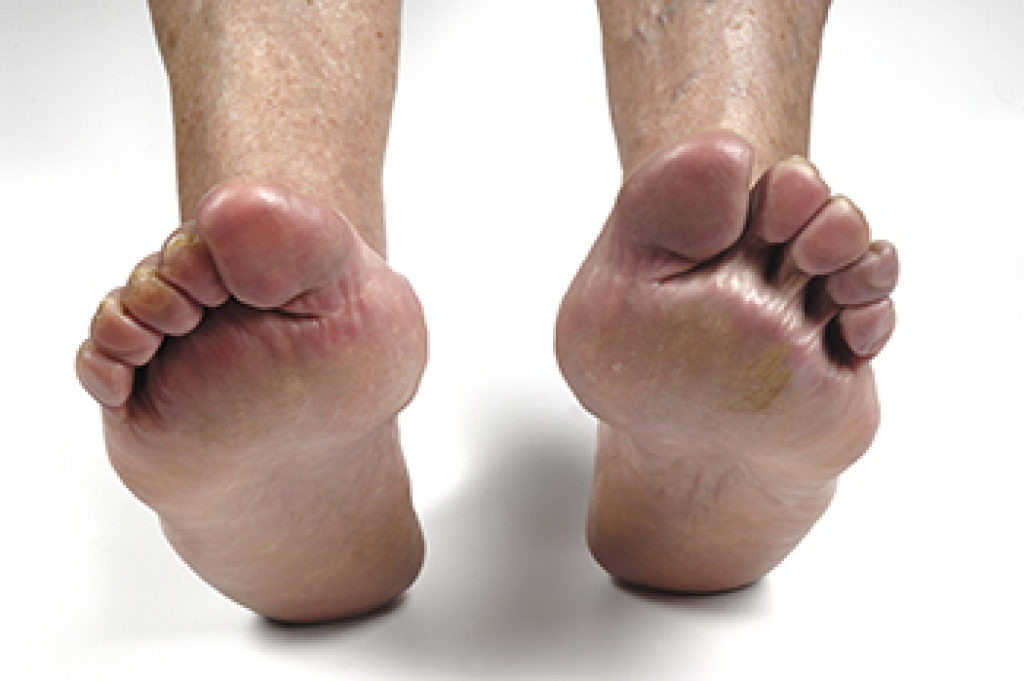
Foot pain is often one of the earliest signs of rheumatoid arthritis, or RA, an autoimmune condition affecting joints. RA can manifest in various forms in the feet, including swelling, stiffness, and tenderness. Over time, untreated RA can lead to progressive foot deformities such as bunions, hammertoes, and rheumatoid nodules. Additionally, inflammation in the joints can cause joint erosion and instability, further exacerbating foot problems. Seeking care from a podiatrist is necessary for individuals with RA, as these doctors specialize in managing foot conditions associated with arthritis. Podiatrists can provide comprehensive assessments, including gait analysis and imaging studies, to identify specific foot issues related to RA. If you suffer from RA symptoms in your feet, it is strongly suggested that you are under the care of a podiatrist who can help you maintain mobility and a better quality of life.

Because RA affects more than just your joints, including the joints in your feet and ankles, it is important to seek early diagnosis from your podiatrist if you feel like the pain in your feet might be caused by RA. For more information, contact Gary Saphire, DPM of Parkway Podiatry. Our doctor will assist you with all of your podiatric concerns.

What Is Rheumatoid Arthritis?

Rheumatoid Arthritis (RA) is an autoimmune disorder in which the body’s own immune system attacks the membranes surrounding the joints. Inflammation of the lining and eventually the destruction of the joint’s cartilage and bone occur, causing severe pain and immobility.

Rheumatoid Arthritis of the Feet

Although RA usually attacks multiple bones and joints throughout the entire body, almost 90 percent of cases result in pain in the foot or ankle area.

Symptoms

  • Swelling and pain in the feet
  • Stiffness in the feet
  • Pain on the ball or sole of feet
  • Joint shift and deformation

Diagnosis

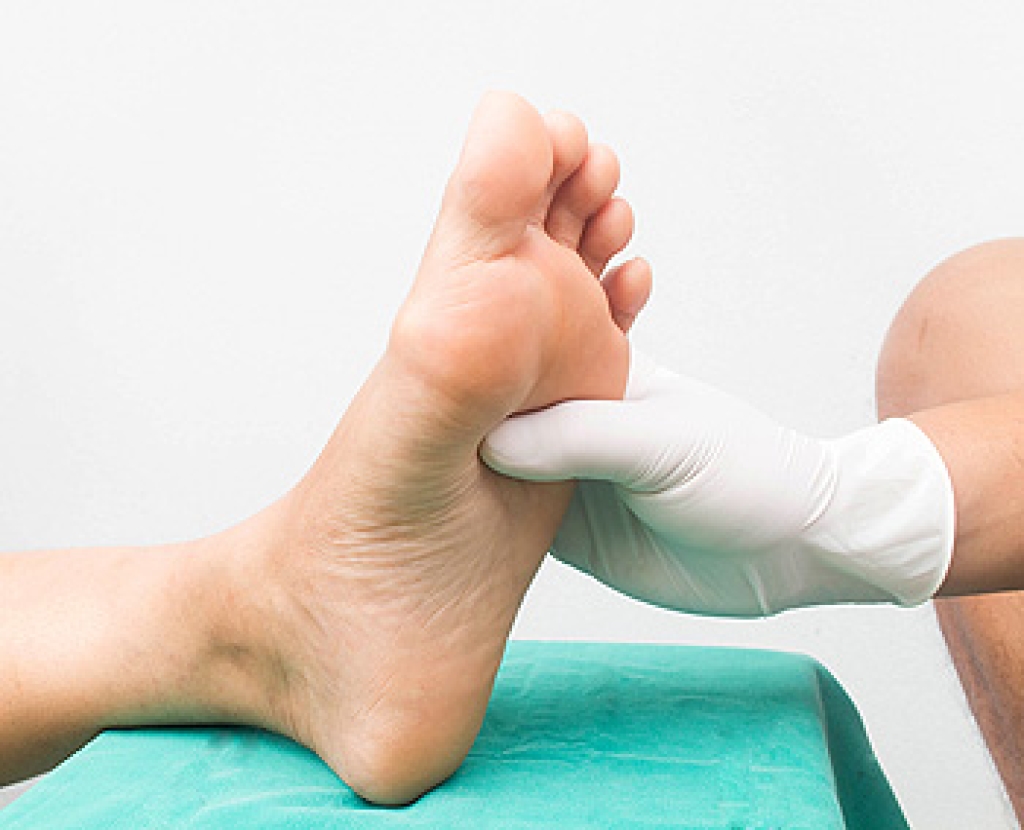
Quick diagnosis of RA in the feet is important so that the podiatrist can treat the area effectively. Your doctor will ask you about your medical history, occupation, and lifestyle to determine the origin of the condition. Rheumatoid Factor tests help to determine if someone is affected by the disease.

If you have any questions, please feel free to contact our office located in Brooklyn, NY . We offer the newest diagnostic and treatment technologies for all your foot care needs.

Read more about Rheumatoid Arthritis in the Feet

Types and Causes of Toe Arthritis

Toe arthritis comes in various forms, each with its triggers and symptoms. Osteoarthritis, which is often spurred by wear and tear or injury, gradually erodes the cartilage between toe bones. Rheumatoid arthritis unleashes inflammation throughout the body, causing redness, warmth, and swelling in the toes, along with systemic symptoms like fatigue. Gout, driven by uric acid crystal formation, particularly targets the big toe and can be influenced by genetics, diet, alcohol intake, and obesity. Psoriatic arthritis, an autoimmune condition, often causes skin lesions that precede joint symptoms. For suspected toe arthritis, a podiatrist can offer a comprehensive assessment, including medical history, physical examination, X-rays, and possibly joint fluid analysis, to pinpoint the type and extent of the condition. For help with your toe pain, it is suggested that you make an appointment with a podiatrist. 

Arthritis can be a difficult condition to live with. If you are seeking treatment, contact Gary Saphire, DPM from Parkway Podiatry. Our doctor can provide the care you need to keep you pain-free and on your feet.

Arthritic Foot Care  

Arthritis is a joint disorder that involves the inflammation of different joints in your body, such as those in your feet. Arthritis is often caused by a degenerative joint disease and causes mild to severe pain in all affected areas. In addition to this, swelling and stiffness in the affected joints can also be a common symptom of arthritis.

In many cases, wearing ill-fitting shoes can worsen the effects and pain of arthritis. Wearing shoes that have a lower heel and extra room can help your feet feel more comfortable. In cases of rheumatoid arthritis, the arch in your foot may become problematic. Buying shoes with proper arch support that contour to your feet can help immensely.

Alleviating Arthritic Pain

  • Exercises that stretch the foot can prevent further pain and injury and increase mobility
  • Most of the pain can be alleviated with anti-inflammatory drugs, heat, and topical medications
  • Massages can help temporarily alleviate pain.

It is best to see your doctor for the treatment that is right for your needs and symptoms. Conditions vary, and a podiatrist can help you determine the right method of care for your feet.

If you have any questions please feel free to contact our office located in Brooklyn, NY . We offer the newest diagnostic tools and technology to treat your foot and ankle needs.

Read more about Arthritic Foot Care

Numbness in the Feet From Running

Numbness in the toes or feet during running can arise from various factors, including wearing ill-fitting shoes or tightly laced shoelaces that compress nerves. Adjusting shoe size or loosening laces can alleviate pressure. Issues with running gait, such as over-striding, may also contribute to foot numbness as shorter strides can help reduce strain. Overexertion without adequate breaks, in addition to dehydration from excessive fluid loss through sweat, may contribute to numbness. Muscle tightness, especially surrounding the sciatic nerve, can compress the nerves in the feet, resulting in numbness. Flat arches also increase pressure on nerves and blood vessels, potentially leading to numbness. Medical causes, such as peripheral neuropathy, Morton's neuroma, and peripheral arterial disease are other potential causes of numbness in the feet. If numbness persists or worsens, it is suggested that you schedule an appointment with a podiatrist for a full evaluation and treatment options.

Neuropathy

Neuropathy can be a potentially serious condition, especially if it is left undiagnosed. If you have any concerns that you may be experiencing nerve loss in your feet, consult with Gary Saphire, DPM from Parkway Podiatry. Our doctor will assess your condition and provide you with quality foot and ankle treatment for neuropathy.

What Is Neuropathy?

Neuropathy is a condition that leads to damage to the nerves in the body. Peripheral neuropathy, or neuropathy that affects your peripheral nervous system, usually occurs in the feet. Neuropathy can be triggered by a number of different causes. Such causes include diabetes, infections, cancers, disorders, and toxic substances.

Symptoms of Neuropathy Include:

  • Numbness
  • Sensation loss
  • Prickling and tingling sensations
  • Throbbing, freezing, burning pains
  • Muscle weakness

Those with diabetes are at serious risk due to being unable to feel an ulcer on their feet. Diabetics usually also suffer from poor blood circulation. This can lead to the wound not healing, infections occurring, and the limb may have to be amputated.

Treatment

To treat neuropathy in the foot, podiatrists will first diagnose the cause of the neuropathy. Figuring out the underlying cause of the neuropathy will allow the podiatrist to prescribe the best treatment, whether it be caused by diabetes, toxic substance exposure, infection, etc. If the nerve has not died, then it’s possible that sensation may be able to return to the foot.

Pain medication may be issued for pain. Electrical nerve stimulation can be used to stimulate nerves. If the neuropathy is caused from pressure on the nerves, then surgery may be necessary.

If you have any questions, please feel free to contact our office located in Brooklyn, NY . We offer the newest diagnostic and treatment technologies for all your foot care needs.

Read more about Neuropathy

What Can Be Done for Ankle Sprains

Ankle sprains are common, especially among teenagers and young adults. However, since an ankle sprain can result from simple missteps, they can happen to anyone. Most ankle sprains occur when the foot twists inward, hurting the ligaments on the outside of the ankle. Sometimes, the injury is higher up, affecting other parts around the ankle. Podiatrists look for certain signs, like pain in specific areas or trouble walking right after the injury. To help with pain and healing, patients might be counseled to rest and elevate their injured ankle for a few days. They might also be prescribed special ankle supports or braces to reduce swelling and protect the injured area. It is important to start moving the ankle early, as resting too much can slow down healing. If pain from an ankle sprain is severe or persistent, it is important to make an appointment with a podiatrist for an accurate diagnosis and relief methods.

Ankle sprains are common but need immediate attention. If you need your feet checked, contact Gary Saphire, DPM from Parkway Podiatry. Our doctor can provide the care you need to keep you pain-free and on your feet.

How Does an Ankle Sprain Occur?

Ankle sprains take place when the ligaments in your ankle are torn or stretched beyond their limits. There are multiple ways that the ankle can become injured, including twisting or rolling over onto your ankle, putting undue stress on it, or causing trauma to the ankle itself.

What Are the Symptoms?

  • Mild to moderate bruising
  • Limited mobility
  • Swelling
  • Discoloration of the skin (depending on severity)

Preventing a Sprain

  • Wearing appropriate shoes for the occasion
  • Stretching before exercises and sports
  • Knowing your limits

Treatment of a Sprain

Treatment of a sprain depends on the severity.  Many times, people are told to rest and remain off their feet completely, while others are given an air cast. If the sprain is very severe, surgery may be required.

If you have suffered an ankle sprain previously, you may want to consider additional support such as a brace and regular exercises to strengthen the ankle.

If you have any questions please feel free to contact our office located in Brooklyn, NY . We offer the newest diagnostic tools and technology to treat your foot and ankle needs.

Read more about Ankle Sprains

Are Bunions Affecting Your Everyday Life?

Have you noticed a bony protrusion on the side of your big toe? If so, you may have developed the foot condition known as a bunion. Don't let bunions interfere with your daily activities.

scroll to top