Like us on facebook
Follow us on twitter
review us on google

Two Types of Broken Toes

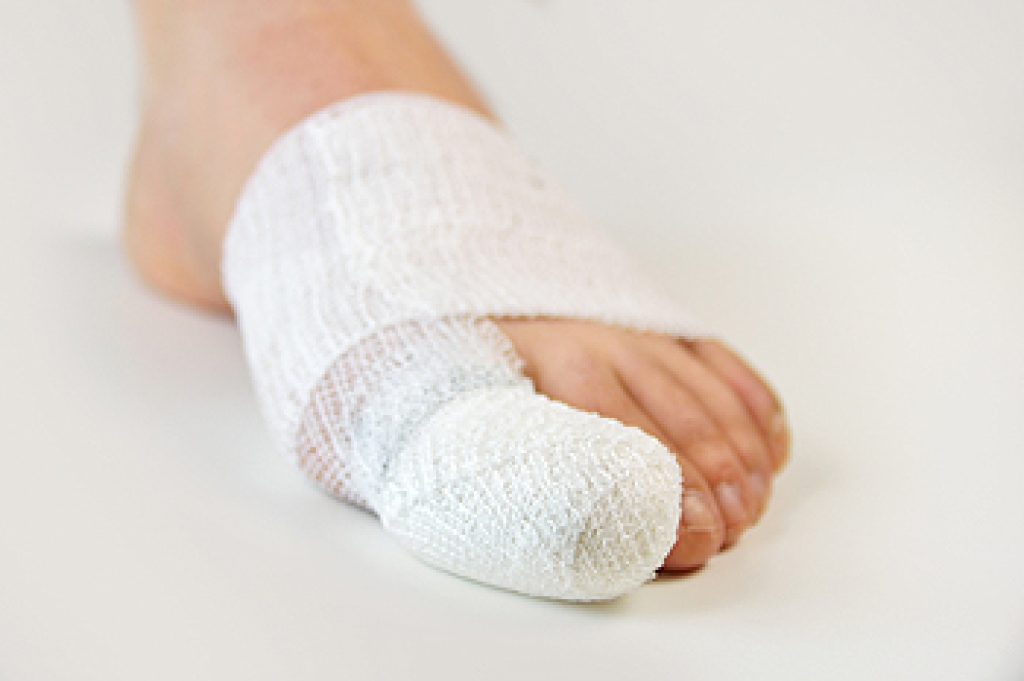
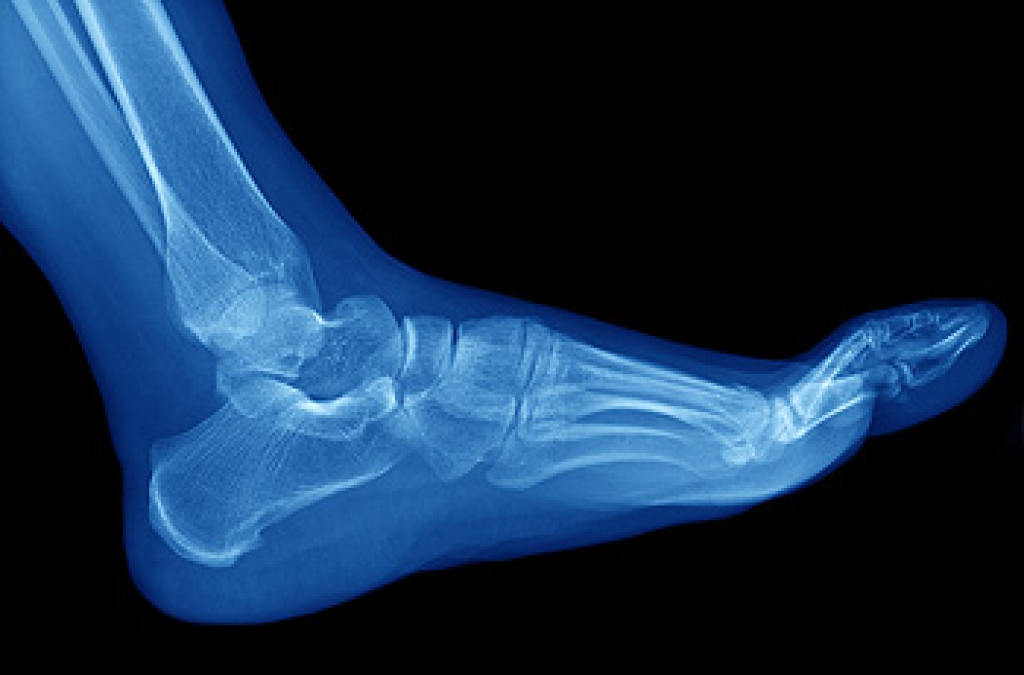
Having an X-ray performed is a common method of determining if a toe has been broken. When the toe is stubbed or if a heavy object has dropped on it, a traumatic fracture can occur. The symptoms that may accompany this type of broken toe can include consistent pain, bruising, and the affected toe may appear red. A stress fracture can develop gradually, and this generally happens as a result of repeated stress on and surrounding the bone. Runners can develop stress fractures of the toe. If this occurs, it is beneficial to refrain from this type of activity until the healing process is fully completed. An effective method for treating a broken toe is known as buddy taping. This is accomplished by taping the broken toe to the toe next to it to provide adequate stability as the healing process occurs. If you have broken your toe, please speak with a podiatrist who can effectively treat broken toes.

A broken toe can be very painful and lead to complications if not properly fixed. If you have any concerns about your feet, contact Gary Saphire, DPM from Parkway Podiatry. Our doctor will treat your foot and ankle needs.

What to Know About a Broken Toe

Although most people try to avoid foot trauma such as banging, stubbing, or dropping heavy objects on their feet, the unfortunate fact is that it is a common occurrence. Given the fact that toes are positioned in front of the feet, they typically sustain the brunt of such trauma. When trauma occurs to a toe, the result can be a painful break (fracture).

Symptoms of a Broken Toe

  • Throbbing pain
  • Swelling
  • Bruising on the skin and toenail
  • The inability to move the toe
  • Toe appears crooked or disfigured
  • Tingling or numbness in the toe

Generally, it is best to stay off of the injured toe with the affected foot elevated.

Severe toe fractures may be treated with a splint, cast, and in some cases, minor surgery. Due to its position and the pressure it endures with daily activity, future complications can occur if the big toe is not properly treated.

If you have any questions, please feel free to contact our office located in Brooklyn, NY . We offer the newest diagnostic and treatment technologies for all your foot care needs.
Read more about What to Know About a Broken Toe

Runners and Cuboid Syndrome

One of seven tarsal bones in the foot is referred to as the cuboid bone. It is found on the outside of the foot, has six sides, and resembles a cube. It enables the foot to maintain stability, and can be partially responsible for distributing body weight. The cuboid bone resembles a pulley, and functions with other bones in the foot. The condition that is known as cuboid syndrome commonly affects athletes and ballet dancers. These groups of people may be prone to ankle sprains, and as a result, the cuboid bone may become injured. Mild relief may be felt when the affected foot is elevated, and it may be beneficial to wrap an elastic bandage around the foot which can help to stabilize the ankle. If you have cuboid syndrome, please consult with a podiatrist who can effectively treat this ailment as quickly as possible.

Cuboid syndrome, also known as cuboid subluxation, occurs when the joints and ligaments near the cuboid bone in the foot become torn. If you have cuboid syndrome, consult with Gary Saphire, DPM from Parkway Podiatry. Our doctor will assess your condition and provide you with quality foot and ankle treatment.

Cuboid syndrome is a common cause of lateral foot pain, which is pain on the outside of the foot. The condition may happen suddenly due to an ankle sprain, or it may develop slowly overtime from repetitive tension through the bone and surrounding structures.

Causes

The most common causes of cuboid syndrome include:

  • Injury – The most common cause of this ailment is an ankle sprain.
  • Repetitive Strain – Tension placed through the peroneus longus muscle from repetitive activities such as jumping and running may cause excessive traction on the bone causing it to sublux.
  • Altered Foot Biomechanics – Most people suffering from cuboid subluxation have flat feet.

Symptoms

A common symptom of cuboid syndrome is pain along the outside of the foot which can be felt in the ankle and toes. This pain may create walking difficulties and may cause those with the condition to walk with a limp.

Diagnosis

Diagnosis of cuboid syndrome is often difficult, and it is often misdiagnosed. X-rays, MRIs and CT scans often fail to properly show the cuboid subluxation. Although there isn’t a specific test used to diagnose cuboid syndrome, your podiatrist will usually check if pain is felt while pressing firmly on the cuboid bone of your foot.

Treatment

Just as the range of causes varies widely, so do treatments. Some more common treatments are ice therapy, rest, exercise, taping, and orthotics.

If you have any questions, please feel free to contact our office located in Brooklyn, NY . We offer the newest diagnostic and treatment technologies for all your foot care needs.
Read more about Cuboid Syndrome

Foot Ulcers and Proper Wound Care

A foot ulcer is an open sore or wound that typically occurs on the bottom of the foot. It is common in individuals with diabetes or poor circulation, as high blood sugar and reduced blood flow can impair healing. Foot ulcers can develop due to pressure, friction, or injury, and without proper care, they can become infected or worsen over time. Effective wound care is an important way to prevent further complications. This involves cleaning the ulcer regularly, applying appropriate dressings, and ensuring the foot is protected from further injury. It is also important to manage underlying conditions, such as diabetes, by keeping blood sugar levels under control. In some cases, a podiatrist may recommend antibiotics if an infection is present. Wearing proper footwear and offloading pressure from the affected area are also essential in promoting healing and preventing recurrence. If you have developed a foot ulcer, it is strongly suggested that you are under the care of a podiatrist who can offer appropriate treatment solutions.

Wound care is an important part in dealing with diabetes. If you have diabetes and a foot wound or would like more information about wound care for diabetics, consult with Gary Saphire, DPM from Parkway Podiatry. Our doctor will assess your condition and provide you with quality foot and ankle treatment.

What Is Wound Care?

Wound care is the practice of taking proper care of a wound. This can range from the smallest to the largest of wounds. While everyone can benefit from proper wound care, it is much more important for diabetics. Diabetics often suffer from poor blood circulation which causes wounds to heal much slower than they would in a non-diabetic. 

What Is the Importance of Wound Care?

While it may not seem apparent with small ulcers on the foot, for diabetics, any size ulcer can become infected. Diabetics often also suffer from neuropathy, or nerve loss. This means they might not even feel when they have an ulcer on their foot. If the wound becomes severely infected, amputation may be necessary. Therefore, it is of the upmost importance to properly care for any and all foot wounds.

How to Care for Wounds

The best way to care for foot wounds is to prevent them. For diabetics, this means daily inspections of the feet for any signs of abnormalities or ulcers. It is also recommended to see a podiatrist several times a year for a foot inspection. If you do have an ulcer, run the wound under water to clear dirt from the wound; then apply antibiotic ointment to the wound and cover with a bandage. Bandages should be changed daily and keeping pressure off the wound is smart. It is advised to see a podiatrist, who can keep an eye on it.

If you have any questions please contact our office located in Brooklyn, NY . We offer the newest diagnostic and treatment technologies for all your foot and ankle needs.

Read more about Wound Care

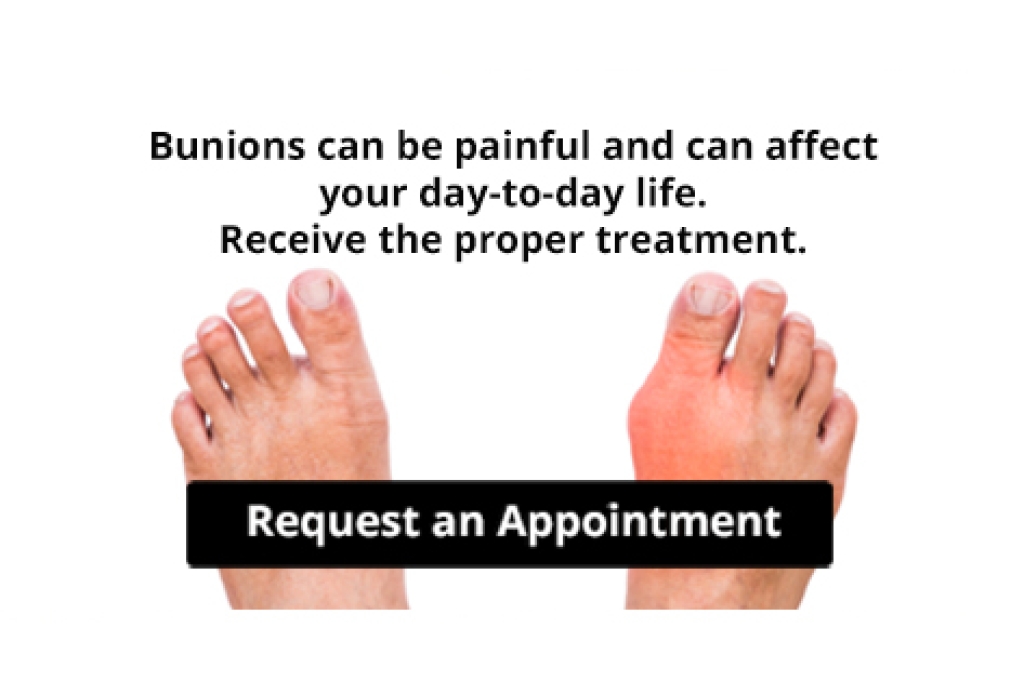
Are Bunions Affecting Your Everyday Life?

Have you noticed a bony protrusion on the side of your big toe? If so, you may have developed the foot condition known as a bunion. Don't let bunions interfere with your daily activities.

How Arthroscopic Ankle Surgery Works

Arthroscopic ankle surgery is a procedure that allows a podiatrist to see inside the ankle joint and address problems without making a large incision. Small cuts are created around the ankle so that a tiny camera and instruments can be inserted. This gives the podiatrist a clear view of the joint surfaces, cartilage, and ligaments. Arthroscopic ankle surgery can help identify and treat arthritis, torn ligaments, or bone spurs. Loose pieces of cartilage or bone that cause pain and stiffness can be removed, and inflamed tissue lining the joint can be treated to improve motion. The procedure generally lasts 30 to 45 minutes, and most patients return home the same day. Swelling and soreness are common for several weeks, and many people regain mobility with proper care. If you have an ankle injury that may require surgery, it is suggested that you consult a podiatrist for an evaluation and available treatment options.

Foot surgery is sometimes necessary to treat a foot ailment. To learn more, contact Gary Saphire, DPM of Parkway Podiatry. Our doctor will assist you with all of your foot and ankle needs.

When Is Surgery Necessary?

Foot and ankle surgery is generally reserved for cases in which less invasive, conservative procedures have failed to alleviate the problem. Some of the cases in which surgery may be necessary include:

  • Removing foot deformities like bunions and bone spurs
  • Severe arthritis that has caused bone issues
  • Cosmetic reconstruction

What Types of Surgery Are There?

The type of surgery you receive will depend on the nature of the problem you have. Some of the possible surgeries include:

  • Bunionectomy for painful bunions
  • Surgical fusion for realignment of bones
  • Neuropathy decompression surgery to treat nerve damage

Benefits of Surgery

Although surgery is usually a last resort, it can provide more complete pain relief compared to non-surgical methods and may allow you to finally resume full activity.

Surgical techniques have also become increasingly sophisticated. Techniques like endoscopic surgery allow for smaller incisions and faster recovery times.

If you have any questions, please feel free to contact our office located in Brooklyn, NY . We offer the newest diagnostic and treatment technologies for all your foot care needs.

Read more about Foot and Ankle Surgery

Avoiding Foot Pain With a Podiatrist’s Help

Foot pain can interfere with daily life, but taking simple steps can help keep your feet healthy. Wearing supportive shoes with proper cushioning and fit reduces strain and pressure. Stretching your feet and legs regularly improves flexibility and balance, lowering the risk of injuries. Practicing balance exercises strengthens the muscles that support the feet and ankles. Additionally, trimming toenails straight across prevents painful ingrown nails, while promptly treating wounds or infections protects overall foot health. A podiatrist can provide personalized advice, address underlying conditions, and offer treatments that keep your feet strong and pain-free. If you have foot pain or are struggling with minor or chronic foot discomfort, it is suggested that you schedule a visit with a podiatrist for expert guidance and relief.

Foot Pain

Foot pain can be extremely painful and debilitating. If you have a foot pain, consult with Gary Saphire, DPM from Parkway Podiatry. Our doctor will assess your condition and provide you with quality foot and ankle treatment.

Causes

Foot pain is a very broad condition that could be caused by one or more ailments. The most common include:

  • Bunions
  • Hammertoes
  • Plantar Fasciitis
  • Bone Spurs
  • Corns
  • Tarsal Tunnel Syndrome
  • Ingrown Toenails
  • Arthritis (such as Gout, Rheumatoid, and Osteoarthritis)
  • Flat Feet
  • Injury (from stress fractures, broken toe, foot, ankle, Achilles tendon ruptures, and sprains)
  • And more

Diagnosis

To figure out the cause of foot pain, podiatrists utilize several different methods. This can range from simple visual inspections and sensation tests to X-rays and MRI scans. Prior medical history, family medical history, and any recent physical traumatic events will all be taken into consideration for a proper diagnosis.

Treatment

Treatment depends upon the cause of the foot pain. Whether it is resting, staying off the foot, or having surgery; podiatrists have a number of treatment options available for foot pain.

If you have any questions, please feel free to contact our office located in Brooklyn, NY . We offer the newest diagnostic and treatment technologies for all your foot care needs.

Read more about Foot Pain

Understanding Gout and the Foods to Avoid

Gout is a form of arthritis caused by the buildup of uric acid crystals in the joints, most often affecting the big toe. It has long been called the disease of kings, due to its association with rich foods and indulgence. A gout attack can bring sudden, intense pain, swelling, and redness, making it difficult to walk or wear shoes. To help manage gout, it is best to avoid foods high in purines such as red meat, shellfish, and alcohol while choosing more fruits, vegetables, whole grains, and low fat dairy. A podiatrist can provide treatment for pain relief and guidance for prevention. If you are experiencing gout symptoms, it is suggested that you are under the care of a podiatrist who can help you with effective management and prevention tips. 

Gout is a painful condition that can be treated. If you are seeking treatment, contact Gary Saphire, DPM from Parkway Podiatry. Our doctor will treat your foot and ankle needs.

What Is Gout?

Gout is a form of arthritis that is characterized by sudden, severe attacks of pain, redness, and tenderness in the joints. The condition usually affects the joint at the base of the big toe. A gout attack can occur at any random time, such as the middle of the night while you are asleep.

Symptoms

  • Intense Joint Pain - Usually around the large joint of your big toe, and it most severe within the first four to twelve hours
  • Lingering Discomfort - Joint discomfort may last from a few days to a few weeks
  • Inflammation and Redness -Affected joints may become swollen, tender, warm and red
  • Limited Range of Motion - May experience a decrease in joint mobility

Risk Factors

  • Genetics - If family members have gout, you’re more likely to have it
  • Medications - Diuretic medications can raise uric acid levels
  • Gender/Age - Gout is more common in men until the age of 60. It is believed that estrogen protects women until that point
  • Diet - Eating red meat and shellfish increases your risk
  • Alcohol - Having more than two alcoholic drinks per day increases your risk
  • Obesity - Obese people are at a higher risk for gout

Prior to visiting your podiatrist to receive treatment for gout, there are a few things you should do beforehand. If you have gout you should write down your symptoms--including when they started and how often you experience them, important medical information you may have, and any questions you may have. Writing down these three things will help your podiatrist in assessing your specific situation so that he or she may provide the best route of treatment for you.

If you have any questions, please feel free to contact our office located in Brooklyn, NY . We offer the newest diagnostic and treatment technologies for all your foot care needs.

Read more about Everything You Need to Know About Gout

Walking Pattern Changes After an Ankle Fracture

An ankle fracture can leave lasting effects on the way a person walks, even after the bone has healed. Limited joint movement, lingering stiffness, and changes in muscle strength may cause the body to adapt in ways that alter natural stride patterns. Some individuals shorten their steps, place less weight on the injured side, or roll the foot differently to avoid discomfort. These adjustments can strain other joints, such as the knees, hips, and lower back, over time. Restoring a balanced gait often involves targeted exercises to improve flexibility, rebuild strength, and retrain walking mechanics. Wearing supportive footwear or orthotics may also help distribute pressure more evenly across the foot. Addressing gait changes early can prevent secondary problems and improve long-term mobility. If walking feels awkward or uncomfortable after an ankle fracture, it is suggested that you see a podiatrist for evaluation and guidance.

Broken ankles need immediate treatment. If you are seeking treatment, contact Gary Saphire, DPM from Parkway Podiatry. Our doctor can provide the care you need to keep you pain-free and on your feet. 

Broken Ankles
A broken ankle is experienced when a person fractures their tibia or fibula in the lower leg and ankle area. Both of these bones are attached at the bottom of the leg and combine to form what we know to be our ankle.

When a physician is referring to a break of the ankle, he or she is usually referring to a break in the area where the tibia and fibula are joined to create our ankle joint. Ankles are more prone to fractures because the ankle is an area that suffers a lot of pressure and stress. There are some obvious signs when a person experiences a fractured ankle, and the following symptoms may be present.

Symptoms of a Fractured Ankle

  • Excessive pain when the area is touched or when any pressure is placed on the ankle
  • Swelling around the area
  • Bruising of the area
  • Area appears to be deformed

If you suspect an ankle fracture, it is recommended to seek treatment as soon as possible. The sooner you have your podiatrist diagnose the fracture, the quicker you’ll be on the way towards recovery.

If you have any questions, please feel free to contact our office located in Brooklyn, NY . We offer the newest diagnostic and treatment technologies for all your foot care needs.

Read more about All About Broken Ankle

Are You Suffering From Nerve Damage?

Neuropathy is a condition that can lead to numbness or loss of sensation in the feet, but it can also cause pain. This condition is more likely to develop for those who are diabetic, obese, or with high blood pressure.

Care for Foot Fractures That Affect the Joints

Fractures that extend into the joints of the foot require careful and timely treatment to protect long-term mobility. These injuries can damage cartilage, disrupt joint alignment, and lead to persistent pain, if not managed appropriately. A podiatrist will assess the location and severity of the fracture, often using imaging to determine the best approach. Treatment may involve immobilization, use of supportive devices, or surgical repair to restore joint stability. Early rehabilitation is important to maintain range of motion and reduce stiffness. Without proper care, there is a higher risk of post-traumatic arthritis and chronic discomfort. Monitoring recovery closely helps ensure proper healing and reduces the chance of future complications. If you experience a foot injury with swelling, pain, or difficulty bearing weight, it is suggested you seek evaluation from a podiatrist.

A broken foot requires immediate medical attention and treatment. If you need your feet checked, contact Gary Saphire, DPM from Parkway Podiatry. Our doctor can provide the care you need to keep you pain-free and on your feet.

Broken Foot Causes, Symptoms, and Treatment

A broken foot is caused by one of the bones in the foot typically breaking when bended, crushed, or stretched beyond its natural capabilities. Usually the location of the fracture indicates how the break occurred, whether it was through an object, fall, or any other type of injury. 

Common Symptoms of Broken Feet:

  • Bruising
  • Pain
  • Redness
  • Swelling
  • Blue in color
  • Numbness
  • Cold
  • Misshapen
  • Cuts
  • Deformities

Those that suspect they have a broken foot shoot seek urgent medical attention where a medical professional could diagnose the severity.

Treatment for broken bones varies depending on the cause, severity and location. Some will require the use of splints, casts or crutches while others could even involve surgery to repair the broken bones. Personal care includes the use of ice and keeping the foot stabilized and elevated.

If you have any questions, please feel free to contact our office located in Brooklyn, NY . We offer the newest diagnostic and treatment technologies for all your foot care needs.

Read more about Causes, Symptoms, and Treatment for a Broken Foot
scroll to top