Like us on facebook
Follow us on twitter
review us on google

Pain or No Pain With Flat Feet

The majority of babies are born with flat feet, and the arch generally develops during childhood years. The arch runs lengthwise along the bottom of the foot, and it may not become developed in adults for various reasons. These may include genetic reasons, or it may not form if an injury has occurred. Additionally, there may be existing medical conditions which may cause flat feet, such as rheumatoid arthritis or diabetes. Many people do not have pain with flat feet, and there are some patients who have pain from wearing shoes that do not fit correctly. There may also be changes in the work environment, which may involve standing on different surfaces. There are specific stretches that can be performed which may help people who have flat feet. A calf stretch can be effective in strengthening the lower part of the leg. This is done by standing on a step and lowering one heel at a time until a gentle stretch is felt. If you have flat feet, it is suggested that you are under the care of a podiatrist who can prescribe custom-made orthotics for relief, if needed. 

Flatfoot is a condition many people suffer from. If you have flat feet, contact Gary Saphire, DPM from Parkway Podiatry. Our doctor will treat your foot and ankle needs.

What Are Flat Feet?

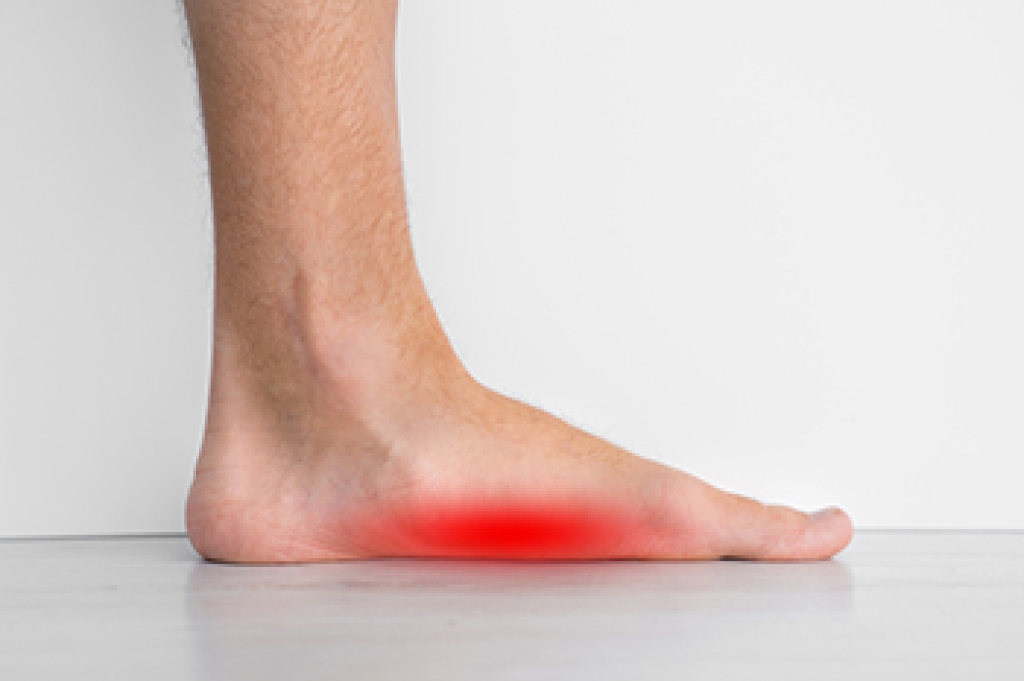
Flatfoot is a condition in which the arch of the foot is depressed and the sole of the foot is almost completely in contact with the ground. About 20-30% of the population generally has flat feet because their arches never formed during growth.

Conditions & Problems:

Having flat feet makes it difficult to run or walk because of the stress placed on the ankles.

Alignment – The general alignment of your legs can be disrupted, because the ankles move inward which can cause major discomfort.

Knees – If you have complications with your knees, flat feet can be a contributor to arthritis in that area.  

Symptoms

  • Pain around the heel or arch area
  • Trouble standing on the tip toe
  • Swelling around the inside of the ankle
  • Flat look to one or both feet
  • Having your shoes feel uneven when worn

Treatment

If you are experiencing pain and stress on the foot you may weaken the posterior tibial tendon, which runs around the inside of the ankle. 

If you have any questions, please feel free to contact our office located in Brooklyn, NY . We offer the newest diagnostic and treatment technologies for all your foot care needs.

Read more about What is Flexible Flat Foot?

Reasons for Heel Pain

Heel pain is a common foot condition and can be caused by various reasons. Plantar fasciitis is the most common reason patients may have heel pain, followed by Achilles tendonitis and arthritis. When heel pain occurs in physically active children and young adults, it may indicate that Sever’s disease has developed. Heel pain often comes from overuse, or from wearing shoes that do not fit correctly. Additionally, there may be existing medical conditions that can lead to experiencing heel pain, such as flat feet or obesity. A stress fracture of the heel bone will often lead to heel pain, or it can come from osteomyelitis, which is a heel bone infection. Heel pain may be prevented by gently stretching the heel before engaging in running and jumping activities. If you have heel pain, it is strongly suggested that you are under the care of a podiatrist who can determine what the cause is, and offer correct treatment options.

Many people suffer from bouts of heel pain. For more information, contact Gary Saphire, DPM of Parkway Podiatry. Our doctor can provide the care you need to keep you pain-free and on your feet.

Causes of Heel Pain

Heel pain is often associated with plantar fasciitis. The plantar fascia is a band of tissues that extends along the bottom of the foot. A rip or tear in this ligament can cause inflammation of the tissue.

Achilles tendonitis is another cause of heel pain. Inflammation of the Achilles tendon will cause pain from fractures and muscle tearing. Lack of flexibility is also another symptom.

Heel spurs are another cause of pain. When the tissues of the plantar fascia undergo a great deal of stress, it can lead to ligament separation from the heel bone, causing heel spurs.

Why Might Heel Pain Occur?

  • Wearing ill-fitting shoes                
  • Wearing non-supportive shoes
  • Weight change           
  • Excessive running

Treatments

Heel pain should be treated as soon as possible for immediate results. Keeping your feet in a stress-free environment will help. If you suffer from Achilles tendonitis or plantar fasciitis, applying ice will reduce the swelling. Stretching before an exercise like running will help the muscles. Using all these tips will help make heel pain a condition of the past.

If you have any questions, please feel free to contact our office located in Brooklyn, NY . We offer the newest diagnostic and treatment technologies for all your foot care needs.
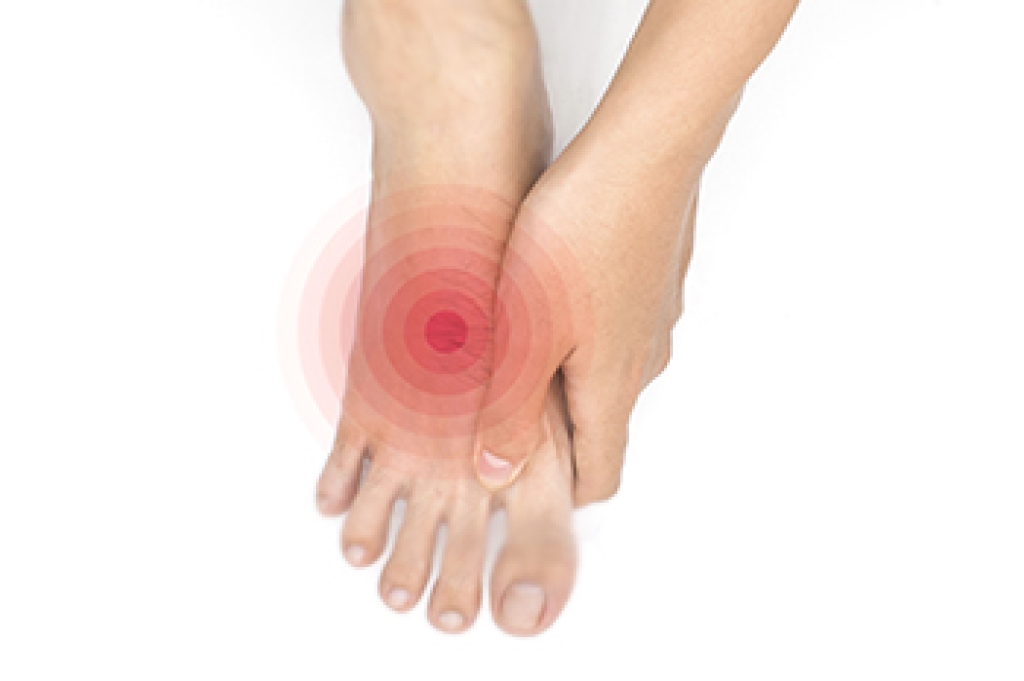
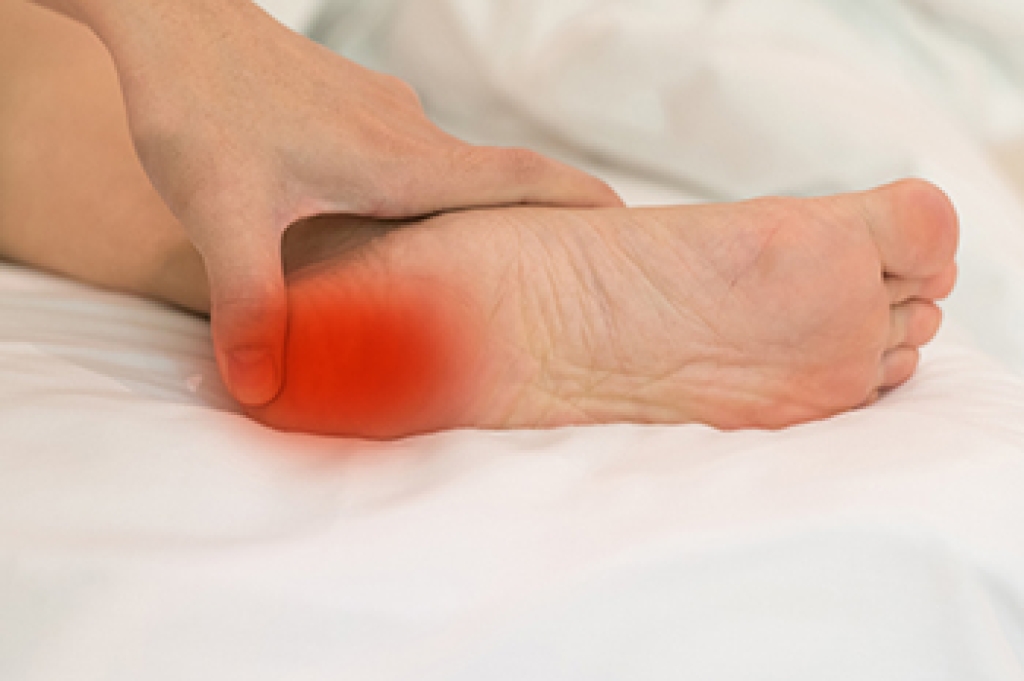
Read more about Heel Pain

Heel Pain in the Morning?

Heel pain can negatively affect your day-to-day life. Simple activities like walking can become incredibly uncomfortable or painful due to heel pain.

Don’t live with heel pain and get treated.

Neuropathy, Cuts on the Feet, and Diabetes

One of the most important things diabetic patients can do is examine their feet daily. Inspect the feet even when they feel fine to determine if any cuts may have developed. Neuropathy, or nerve damage, is the inability to feel any sores on the feet and this condition often accompanies diabetes. It can become a serious complication for people with diabetes if a cut is left unnoticed, therefore untreated. A small wound on the foot may become infected, leading to a diabetic foot ulcer. A good diabetic foot care routine can begin with washing and drying the feet thoroughly, followed by inspecting the soles. It is important to refrain from walking barefoot, and it can help to wear socks and shoes that fit correctly. If you have diabetes, it is strongly suggested that you are under the care of a podiatrist who can help you to manage this condition. 

Diabetic foot care is important in preventing foot ailments such as ulcers. If you are suffering from diabetes or have any other concerns about your feet, contact Gary Saphire, DPM from Parkway Podiatry. Our doctor can provide the care you need to keep you pain-free and on your feet.

Diabetic Foot Care

Diabetes affects millions of people every year. The condition can damage blood vessels in many parts of the body, especially the feet. Because of this, taking care of your feet is essential if you have diabetes, and having a podiatrist help monitor your foot health is highly recommended.

The Importance of Caring for Your Feet

  • Routinely inspect your feet for bruises or sores.
  • Wear socks that fit your feet comfortably.
  • Wear comfortable shoes that provide adequate support.

Patients with diabetes should have their doctor monitor their blood levels, as blood sugar levels play such a huge role in diabetic care. Monitoring these levels on a regular basis is highly advised.

It is always best to inform your healthcare professional of any concerns you may have regarding your feet, especially for diabetic patients. Early treatment and routine foot examinations are keys to maintaining proper health, especially because severe complications can arise if proper treatment is not applied.

If you have any questions, please feel free to contact our office located in Brooklyn, NY . We offer the newest diagnostic and treatment technologies for all your foot care needs.
Read more about Diabetic Foot Care

Erythromelalgia and the Feet

Erythromelalgia, or EM, can affect the feet. It is considered to be a rare foot condition, and common symptoms are redness, burning, and the skin can feel warm. There are two categories of erythromelalgia, consisting of primary and secondary. The former type may be associated with family history and can be more prevalent among children. The above symptoms can become debilitating and will generally affect both feet. The latter classification may be linked to autoimmune diseases or conditions that affect the blood and bone marrow and can be more common among adults. Research has shown that erythromelalgia may be linked to heavy metal poisoning, which may happen if exposed to air or water pollution, lead-based paints, or specific types of medication. There is no cure for this foot condition, but relief may be found by treating the symptoms. This can include taking aspirin, antihistamines, or other kinds of medicine. If you have symptoms of EM, it is strongly suggested that you are under the care of a podiatrist who can help offer relief options that are correct for you.

Some foot conditions may require additional professional care. If you have any concerns, contact Gary Saphire, DPM of Parkway Podiatry. Our doctor can provide the care you need to keep you pain-free and on your feet.

Rare Foot Conditions

The majority of foot conditions are common and can be treated by a podiatrist.  Standard diagnostic procedures are generally used to identify specific conditions and treatment can be rendered. A podiatrist also treats rare foot conditions which can be difficult to diagnose and may need extra attention and care. 

There are many rare foot conditions that can affect children. Some of these can include:

  • Freiberg’s disease
  • Kohler’s disease
  • Maffucci syndrome

Freiberg’s disease - This can be seen as a deterioration and flattening of a metatarsal bone that exists in the ball of the foot. It typically affects pre-teen and teenage girls, but can affect anyone at any age. Symptoms that can accompany this can be swelling, stiffness, and the patient may limp. 

Kohler’s disease - This often targets the bone in the arch of the foot and affects younger boys. It can lead to an interruption of the blood supply which ultimately can lead to bone deterioration. The patient may limp or experience tenderness, swelling, and redness.

Maffucci syndrome - This affects the long bones in a child’s foot leading to the development of abnormal bone lesions. They are benign growths and typically develop in early childhood and the bones may be susceptible to breaking. 

A podiatrist can properly diagnose and treat all types of rare foot conditions. If your child is affected by any of these symptoms or conditions, please don’t hesitate to call our office so the correct treatment method can begin.

If you have any questions, please feel free to contact our office located in Brooklyn, NY . We offer the newest diagnostic and treatment technologies for all your foot care needs.

Read more about Rare Foot Conditions
scroll to top