Like us on facebook
Follow us on twitter
review us on google

Painful Corns

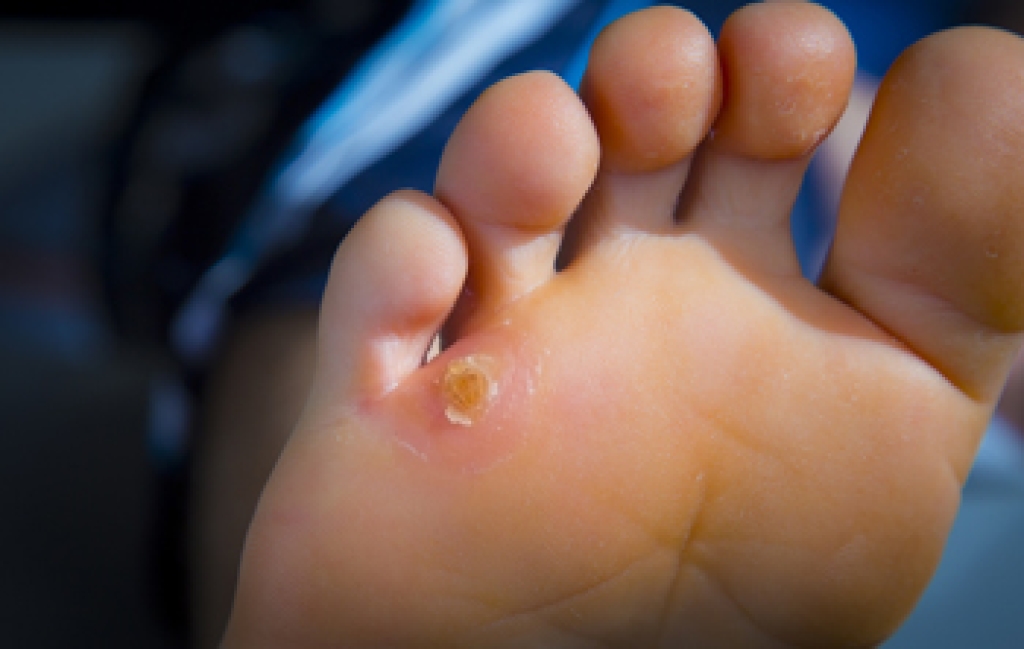
Corns are a common skin condition, with distinct characteristics and causes. Corns are thickened patches of skin that develop due to friction or pressure, often on the toes or soles. They are usually smaller than warts and have a hard center surrounded by inflamed skin. Symptoms of problematic corns include localized pain and tenderness. Wearing shoes with plenty of room for the toes is the best way to prevent corns. If your toes cannot wiggle and move around, the shoes are likely too tight. Persistent corns that cause significant discomfort may require medical intervention. A podiatrist may recommend cryotherapy, laser treatment, or surgical removal. If you have corns that do not improve, it is suggested you schedule an appointment with a podiatrist for a thorough evaluation and effective treatment options.

Corns can make walking very painful and should be treated immediately. If you have questions regarding your feet and ankles, contact Gary Saphire, DPM of Parkway Podiatry. Our doctor will treat your foot and ankle needs.

Corns: What Are They? And How Do You Get Rid of Them?
Corns are thickened areas on the skin that can become painful. They are caused by excessive pressure and friction on the skin. Corns press into the deeper layers of the skin and are usually round in shape.

Ways to Prevent Corns
There are many ways to get rid of painful corns such as:

  • Wearing properly fitting shoes that have been measured by a professional
  • Wearing shoes that are not sharply pointed or have high heels
  • Wearing only shoes that offer support

Treating Corns

Although most corns slowly disappear when the friction or pressure stops, this isn’t always the case. Consult with your podiatrist to determine the best treatment option for your case of corns.

If you have any questions, please feel free to contact our office located in Brooklyn, NY . We offer the newest diagnostic and treatment technologies for all your foot care needs.


Read more about Corns and Calluses

Preventing Same Level Falls in the Workplace

Same level falls occur when individuals trip, slip, or stumble on surfaces at the same height they are standing on, often leading to injuries that can affect productivity and morale. To prevent these incidents in the workplace, it is vital to implement several strategies. First, using appropriate flooring can significantly reduce the risk. Non-slip surfaces are ideal in high-traffic areas. Regularly removing obstacles such as clutter, cords, and equipment can create a safer environment. Promptly cleaning up spills and ensuring that wet floors are marked with clear signage is essential for alerting employees to potential hazards. Additionally, wearing protective gear, such as slip-resistant shoes, can further enhance safety. Falling can seriously impact the feet, which may cause a loss of work and wages. If you have had a foot injury from falling, it is suggested that you consult a podiatrist who can treat various foot injuries, and guide you on appropriate fall prevention methods in the work environment.

Preventing falls among the elderly is very important. If you are older and have fallen or fear that you are prone to falling, consult with Gary Saphire, DPM from Parkway Podiatry. Our doctor will assess your condition and provide you with quality advice and care.

Every 11 seconds, an elderly American is being treated in an emergency room for a fall related injury. Falls are the leading cause of head and hip injuries for those 65 and older. Due to decreases in strength, balance, senses, and lack of awareness, elderly persons are very susceptible to falling. Thankfully, there are a number of things older persons can do to prevent falls.

How to Prevent Falls

Some effective methods that older persons can do to prevent falls include:

  • Enrolling in strength and balance exercise program to increase balance and strength
  • Periodically having your sight and hearing checked
  • Discuss any medications you have with a doctor to see if it increases the risk of falling
  • Clearing the house of falling hazards and installing devices like grab bars and railings
  • Utilizing a walker or cane
  • Wearing shoes that provide good support and cushioning
  • Talking to family members about falling and increasing awareness

Falling can be a traumatic and embarrassing experience for elderly persons; this can make them less willing to leave the house, and less willing to talk to someone about their fears of falling. Doing such things, however, will increase the likelihood of tripping or losing one’s balance. Knowing the causes of falling and how to prevent them is the best way to mitigate the risk of serious injury.  

If you have any questions, please feel free to contact our office located in Brooklyn, NY . We offer the newest diagnostic and treatment technologies for all your foot care needs.

Read more about Falls Prevention

Do Your Child's Feet Hurt?

Have your child's feet been examined lately? Healthy feet are happy feet. If your child is complaining of foot pain, it may be a sign of underlying problems.

Facts About Dislocated Toes

A dislocated toe occurs when the bones in the toe become misaligned, often leading to significant discomfort and mobility issues. Common symptoms include intense pain at the site of the injury, noticeable swelling, and bruising. The affected toe may appear deformed or out of place, and there may be difficulty moving it or walking without pain. Several factors contribute to dislocated toes, with sports injuries being a leading cause. Activities involving running, jumping, or sudden changes in direction can put excessive stress on the toe joints. Also, accidents such as stubbing the toe or dropping a heavy object on it can lead to dislocation. If you have sustained an injury that may have dislocated your toe, it is suggested that you promptly contact a podiatrist who can provide an accurate diagnosis and treatment.

Toe pain can disrupt your daily activities. If you have any concerns, contact Gary Saphire, DPM of Parkway Podiatry. Our doctor can provide the care you need to keep you pain-free and on your feet.

What Causes Toe Pain?

Most severe toe pain is caused due to a sports injury, trauma from dropping something heavy on the toe, or bumping into something rigid. Other problems can develop over time for various reasons.

Toe pain can be caused by one or more ailments. The most common include:

  • Trauma
  • Sports injury
  • Wearing shoes that are too tight
  • Arthritis
  • Gout
  • Corns and calluses
  • Hammertoe
  • Bunions
  • Blisters
  • Ingrown toenails
  • Sprains
  • Fractures (broken bones)
  • Dislocations

When to See a Podiatrist

  • Severe pain
  • Persistent pain that lasts more than a week
  • Signs of infection
  • Continued swelling
  • Pain that prevents walking

Diagnosis

In many cases the cause of toe pain is obvious, but in others, a podiatrist may want to use more advanced methods to determine the problem. These can range from simple visual inspections and sensation tests to X-rays and MRI scans. Prior medical history, family medical history, and any recent physical traumatic events will all be taken into consideration for a proper diagnosis.

Treatment

Treatments for toe pain and injuries vary and may include shoe inserts, padding, taping, medicines, injections, and in some cases, surgery. If you believe that you have broken a toe, please see a podiatrist as soon as possible.

If you have any questions please contact our office located in Brooklyn, NY . We offer the newest diagnostic and treatment technologies for all your foot and ankle needs.

Read more about Toe Pain

How to Tell if Your Foot Is Broken

Determining whether your foot is broken involves assessing several key symptoms. Pain is often the most immediate sign. A broken foot typically causes sharp, intense pain that worsens with movement. To gauge the severity, compare the injured foot to the uninjured one. Look for any visible deformities or misalignments, such as an unusual angle or protruding bone. Swelling is another common indicator, as a broken foot usually swells significantly around the injury site, sometimes accompanied by bruising. If you experience severe pain, noticeable changes in foot shape, or significant swelling, it is important to seek medical attention from a podiatrist, who can perform an X-ray or other imaging tests that can confirm a fracture and determine the appropriate treatment for recovery. If you have broken your foot, it is suggested that you confer with this type of doctor who can treat this condition.

A broken foot requires immediate medical attention and treatment. If you need your feet checked, contact Gary Saphire, DPM from Parkway Podiatry. Our doctor can provide the care you need to keep you pain-free and on your feet.

Broken Foot Causes, Symptoms, and Treatment

A broken foot is caused by one of the bones in the foot typically breaking when bended, crushed, or stretched beyond its natural capabilities. Usually the location of the fracture indicates how the break occurred, whether it was through an object, fall, or any other type of injury. 

Common Symptoms of Broken Feet:

  • Bruising
  • Pain
  • Redness
  • Swelling
  • Blue in color
  • Numbness
  • Cold
  • Misshapen
  • Cuts
  • Deformities

Those that suspect they have a broken foot shoot seek urgent medical attention where a medical professional could diagnose the severity.

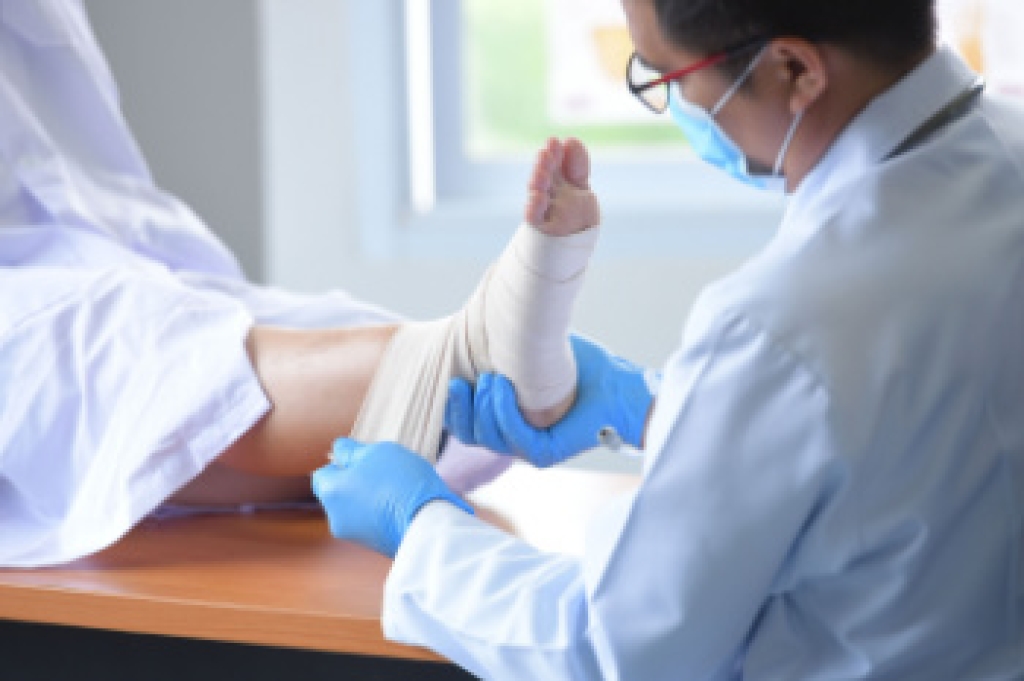
Treatment for broken bones varies depending on the cause, severity and location. Some will require the use of splints, casts or crutches while others could even involve surgery to repair the broken bones. Personal care includes the use of ice and keeping the foot stabilized and elevated.

If you have any questions, please feel free to contact our office located in Brooklyn, NY . We offer the newest diagnostic and treatment technologies for all your foot care needs.
Read more about Causes, Symptoms, and Treatment for a Broken Foot

Common Types of Heel Spurs

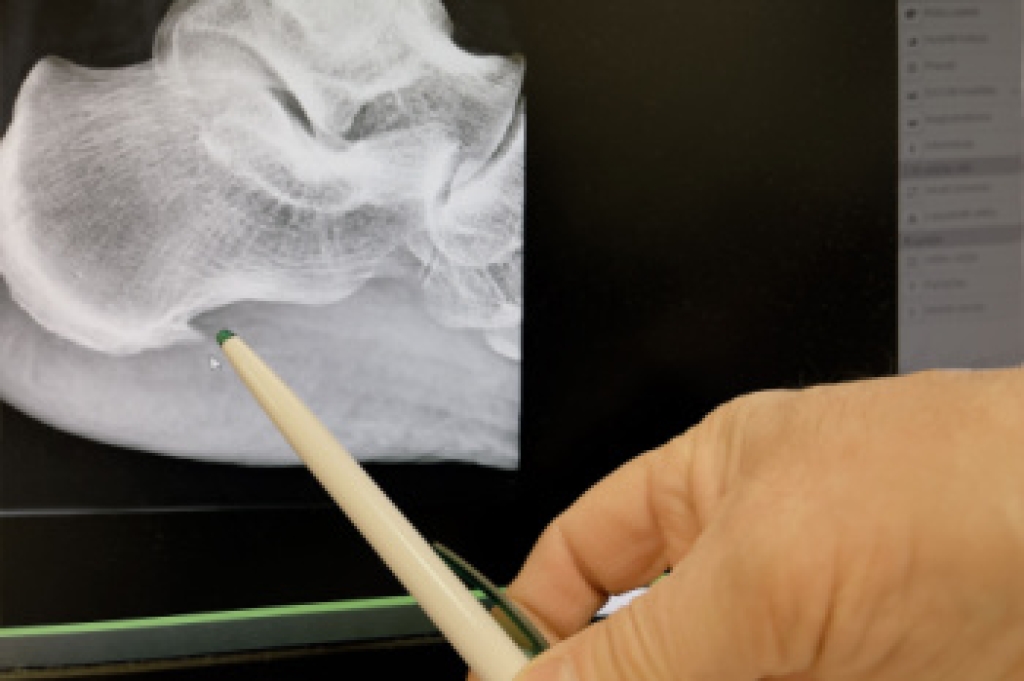
Heel spurs are bony growths that develop on the bottom or back of the heel. They are often associated with foot conditions like plantar fasciitis and Achilles tendonitis. When a spur forms on the bottom of the heel, it is typically linked to heel spur syndrome. This occurs where the plantar fascia, a band of tissue supporting the arches of the foot, connects to the heel bone. These heel spurs often develop due to stress, overuse, or some kind of injury to the heel area. Another common type is a dorsal spur. This forms at the back of the heel, where the Achilles tendon attaches. It is often the result of insertional Achilles tendonitis, or inflammation. While heel spurs are common, many people do not experience pain. However, those with symptoms may notice discomfort during walking or running. A podiatrist can diagnose the cause of your heel pain and provide custom orthotics that can help prevent further damage. If you believe you may have developed a heel spur, it is suggested that you schedule an appointment with a podiatrist for an exam and treatment.

Heel spurs can be incredibly painful and sometimes may make you unable to participate in physical activities. To get medical care for your heel spurs, contact Gary Saphire, DPM from Parkway Podiatry. Our doctor will do everything possible to treat your condition.

Heels Spurs

Heel spurs are formed by calcium deposits on the back of the foot where the heel is. This can also be caused by small fragments of bone breaking off one section of the foot, attaching onto the back of the foot. Heel spurs can also be bone growth on the back of the foot and may grow in the direction of the arch of the foot.

Older individuals usually suffer from heel spurs and pain sometimes intensifies with age. One of the main condition's spurs are related to is plantar fasciitis.

Pain

The pain associated with spurs is often because of weight placed on the feet. When someone is walking, their entire weight is concentrated on the feet. Bone spurs then have the tendency to affect other bones and tissues around the foot. As the pain continues, the feet will become tender and sensitive over time.

Treatments

There are many ways to treat heel spurs. If one is suffering from heel spurs in conjunction with pain, there are several methods for healing. Medication, surgery, and herbal care are some options.

If you have any questions, please feel free to contact our office located in Brooklyn, NY . We offer the newest diagnostic and treatment technologies for all your foot care needs.
Read more about How to Treat Heel Spurs

What to Do if Your Child Complains of Heel Pain

Heel pain in children is often caused by repetitive stress or overuse, similar to adults. A common cause is plantar fasciitis, which occurs when the thick band of tissue along the bottom of the foot becomes inflamed due to excessive strain. Other potential causes include Sever's disease, Achilles tendonitis, or poorly fitting shoes that lack proper support. The first thing to do to address heel pain is to have the child rest and reduce activities, like running or jumping that might worsen the condition. Ensure your child wears well-fitted shoes with good arch support and cushioning. If the heel pain persists or worsens, it is suggested that you schedule an appointment with a podiatrist to rule out more serious conditions and explore treatments such as orthotics, targeted exercises, or other interventions. Just as with adults, early treatment is essential to prevent long-term foot issues in children. 

Many people suffer from bouts of heel pain. For more information, contact Gary Saphire, DPM of Parkway Podiatry. Our doctor can provide the care you need to keep you pain-free and on your feet.

Causes of Heel Pain

Heel pain is often associated with plantar fasciitis. The plantar fascia is a band of tissues that extends along the bottom of the foot. A rip or tear in this ligament can cause inflammation of the tissue.

Achilles tendonitis is another cause of heel pain. Inflammation of the Achilles tendon will cause pain from fractures and muscle tearing. Lack of flexibility is also another symptom.

Heel spurs are another cause of pain. When the tissues of the plantar fascia undergo a great deal of stress, it can lead to ligament separation from the heel bone, causing heel spurs.

Why Might Heel Pain Occur?

  • Wearing ill-fitting shoes                
  • Wearing non-supportive shoes
  • Weight change           
  • Excessive running

Treatments

Heel pain should be treated as soon as possible for immediate results. Keeping your feet in a stress-free environment will help. If you suffer from Achilles tendonitis or plantar fasciitis, applying ice will reduce the swelling. Stretching before an exercise like running will help the muscles. Using all these tips will help make heel pain a condition of the past.

If you have any questions, please feel free to contact our office located in Brooklyn, NY . We offer the newest diagnostic and treatment technologies for all your foot care needs.

Read more about Heel Pain

Are You Suffering From Ingrown Toenails?

If left untreated, an ingrown toenail can lead to more serious concerns, such as an infection. Knowing proper nail care can help in the prevention of an ingrown toenail. Give us a call, and get treated!

How High Heels Affect the Feet

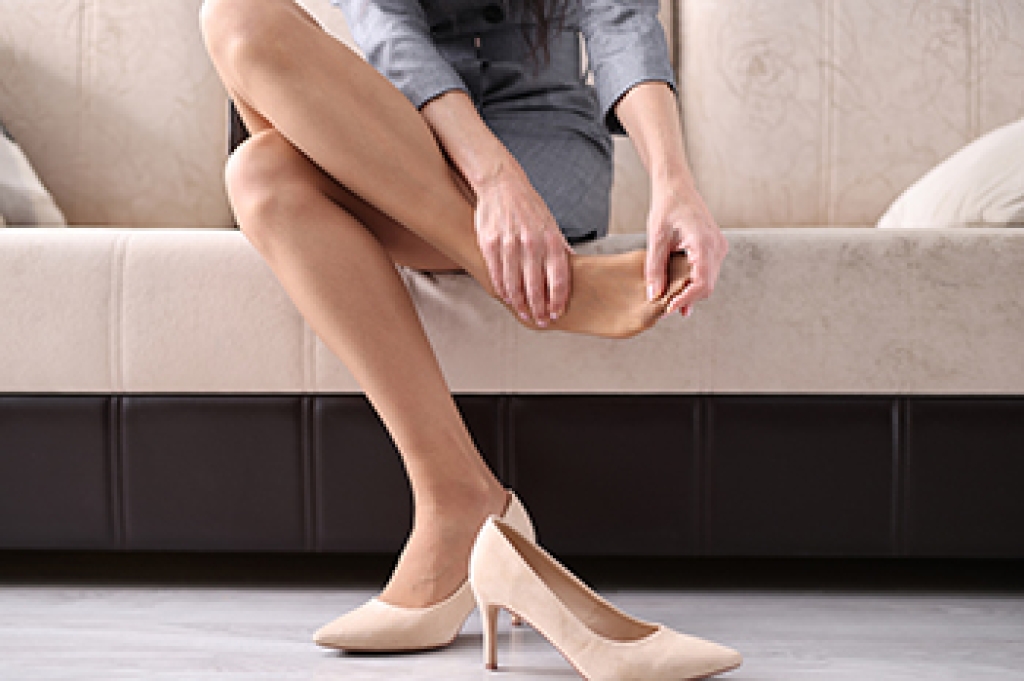
Wearing high heels can significantly alter foot posture and alignment, leading to various long-term issues. These shoes force the foot into an unnatural position, causing the bones and foot structure to deviate from their proper alignment. As a result, the biomechanics of walking are compromised, affecting overall foot function. High heels cause the foot to slide forward, compressing the forefoot, especially in narrower toe boxes, which often leads to increased foot supination. This abnormal alignment can increase the risk of overuse injuries and conditions like hammertoes and bunions. Over time, these biomechanical changes may lead to chronic pain and instability. A podiatrist can assess the damage and offer solutions to ease pain and prevent further complications. If you are experiencing foot pain from wearing high heels, it is suggested that you schedule an appointment with a podiatrist.

High heels have a history of causing foot and ankle problems. If you have any concerns about your feet or ankles, contact Gary Saphire, DPM from Parkway Podiatry. Our doctor can provide the care you need to keep you pain-free and on your feet.

Effects of High Heels on the Feet

High heels are popular shoes among women because of their many styles and societal appeal.  Despite this, high heels can still cause many health problems if worn too frequently.

Which Parts of My Body Will Be Affected by High Heels?

  • Ankle Joints
  • Achilles Tendon – May shorten and stiffen with prolonged wear
  • Balls of the Feet
  • Knees – Heels cause the knees to bend constantly, creating stress on them
  • Back – They decrease the spine’s ability to absorb shock, which may lead to back pain.  The vertebrae of the lower back may compress.

What Kinds of Foot Problems Can Develop from Wearing High Heels?

  • Corns
  • Calluses
  • Hammertoe
  • Bunions
  • Morton’s Neuroma
  • Plantar Fasciitis

How Can I Still Wear High Heels and Maintain Foot Health?

If you want to wear high heeled shoes, make sure that you are not wearing them every day, as this will help prevent long term physical problems.  Try wearing thicker heels as opposed to stilettos to distribute weight more evenly across the feet.  Always make sure you are wearing the proper shoes for the right occasion, such as sneakers for exercising.  If you walk to work, try carrying your heels with you and changing into them once you arrive at work.  Adding inserts to your heels can help cushion your feet and absorb shock. Full foot inserts or metatarsal pads are available. 

If you have any questions, please feel free to contact our office located in Brooklyn, NY . We offer the newest diagnostic and treatment technologies for all your foot care needs.

Read more about Effect of High Heels on the Feet

Features of Running and Walking Shoes

Running shoes and walking shoes are designed with distinct features tailored to their respective activities. Running shoes are built to handle the higher impact forces of running, featuring more cushioning in the heel to absorb shock and provide support during each stride. They often have a more pronounced heel-to-toe drop, which promotes a forward motion. In contrast, walking shoes are designed for lower impact and typically have a flatter sole, offering even cushioning and greater flexibility. The emphasis in walking shoes is on stability and comfort for the repetitive heel-to-toe motion of walking. Additionally, walking shoes usually have a more rigid midsole to support the arch and enhance stability. Choosing the appropriate shoe based on your activity helps prevent injury and ensures better performance and comfort. If you have endured a foot or ankle injury from wearing the wrong type of shoes, it is suggested that you consult a podiatrist who can treat various foot conditions, and guide you on which shoes to buy for your desired activity.

For more information about walking shoes versus running shoes, consult with Gary Saphire, DPM from Parkway Podiatry. Our doctor can measure your feet to determine what your needs are and help you find an appropriate pair of footwear.

Foot Health: The Differences between Walking & Running Shoes

There are great ways to stay in shape: running and walking are two great exercises to a healthy lifestyle. It is important to know that running shoes and walking shoes are not interchangeable. There is a key difference on how the feet hit the ground when someone is running or walking. This is why one should be aware that a shoe is designed differently for each activity.

You may be asking yourself what the real differences are between walking and running shoes and the answers may shock you.

Differences

Walking doesn’t involve as much stress or impact on the feet as running does. However, this doesn’t mean that you should be any less prepared. When you’re walking, you land on your heels and have your foot roll forward. This rolling motion requires additional support to the feet.

Flexibility – Walking shoes are designed to have soft, flexible soles. This allows the walker to push off easily with each step.

If you have any questions, please feel free to contact our office located in Brooklyn, NY . We offer the newest diagnostic and treatment technologies for all your foot care needs.
Read more about Differences between Walking and Running Shoes
scroll to top