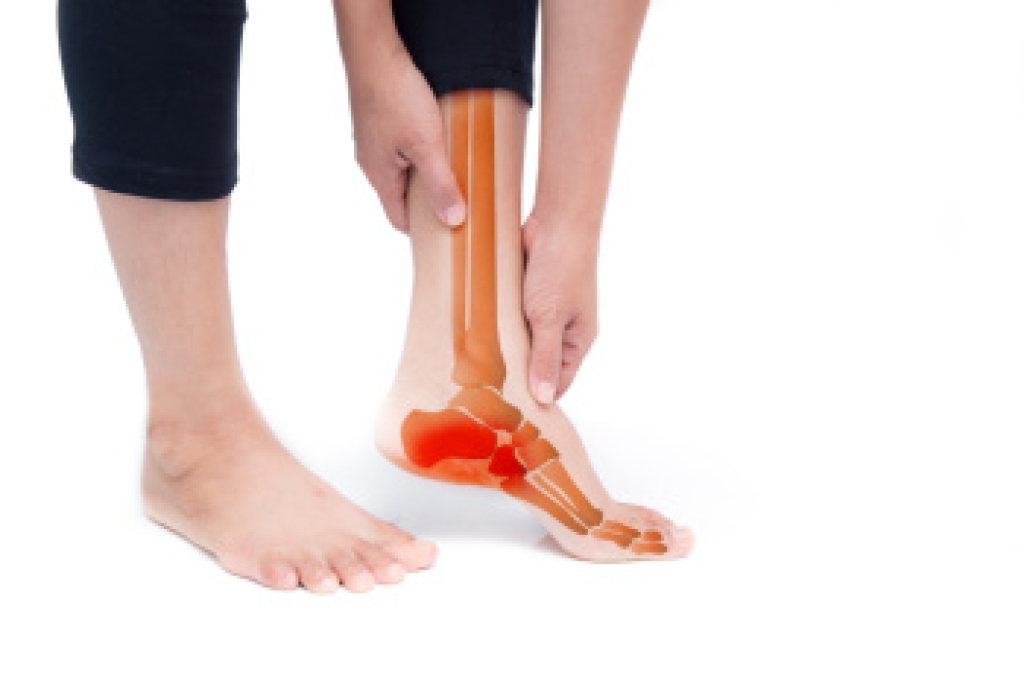
Constant care and regular evaluation are important for a foot or ankle fracture. If left untreated, foot or ankle fractures can worsen over time and create more serious problems.
Don't wait to be examined if you believe you've experienced a foot or ankle fracture.
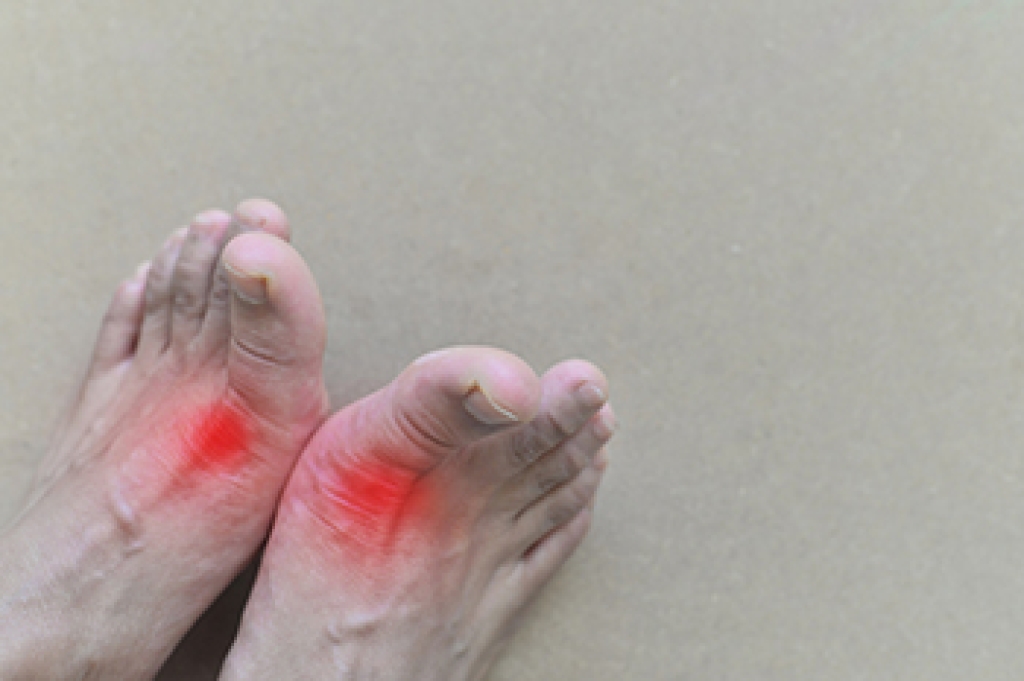
Gout is a form of arthritis that occurs when uric acid builds up in the bloodstream, forming crystals in the joints. It often affects the big toe but can also impact the ankles and other joints. Gout is more common in men, especially those over 40, and people with conditions like obesity, high blood pressure, or diabetes are at a higher risk. Symptoms of gout include sudden, intense pain, swelling, redness, and warmth in the affected joint, often occurring at night. The pain can be excruciating, and even the lightest touch can feel unbearable. Gout attacks typically last for a few days but can recur if untreated. Treatment involves medications to reduce inflammation and lower uric acid levels. Lifestyle changes, such as avoiding alcohol and foods high in purines, are also recommended. A podiatrist can help manage gout symptoms, offer pain relief strategies, and provide advice on footwear. If you are experiencing this condition, it is suggested that you make an appointment with a this type of doctor.
Gout is a foot condition that requires certain treatment and care. If you are seeking treatment, contact Gary Saphire, DPM from Parkway Podiatry. Our doctor will treat your foot and ankle needs.
What Is Gout?
Gout is a type of arthritis caused by a buildup of uric acid in the bloodstream. It often develops in the foot, especially the big toe area, although it can manifest in other parts of the body as well. Gout can make walking and standing very painful and is especially common in diabetics and the obese.
People typically get gout because of a poor diet. Genetic predisposition is also a factor. The children of parents who have had gout frequently have a chance of developing it themselves.
Gout can easily be identified by redness and inflammation of the big toe and the surrounding areas of the foot. Other symptoms include extreme fatigue, joint pain, and running high fevers. Sometimes corticosteroid drugs can be prescribed to treat gout, but the best way to combat this disease is to get more exercise and eat a better diet.
If you have any questions, please feel free to contact our office located in Brooklyn, NY. We offer the newest diagnostic and treatment technologies for all your foot care needs.
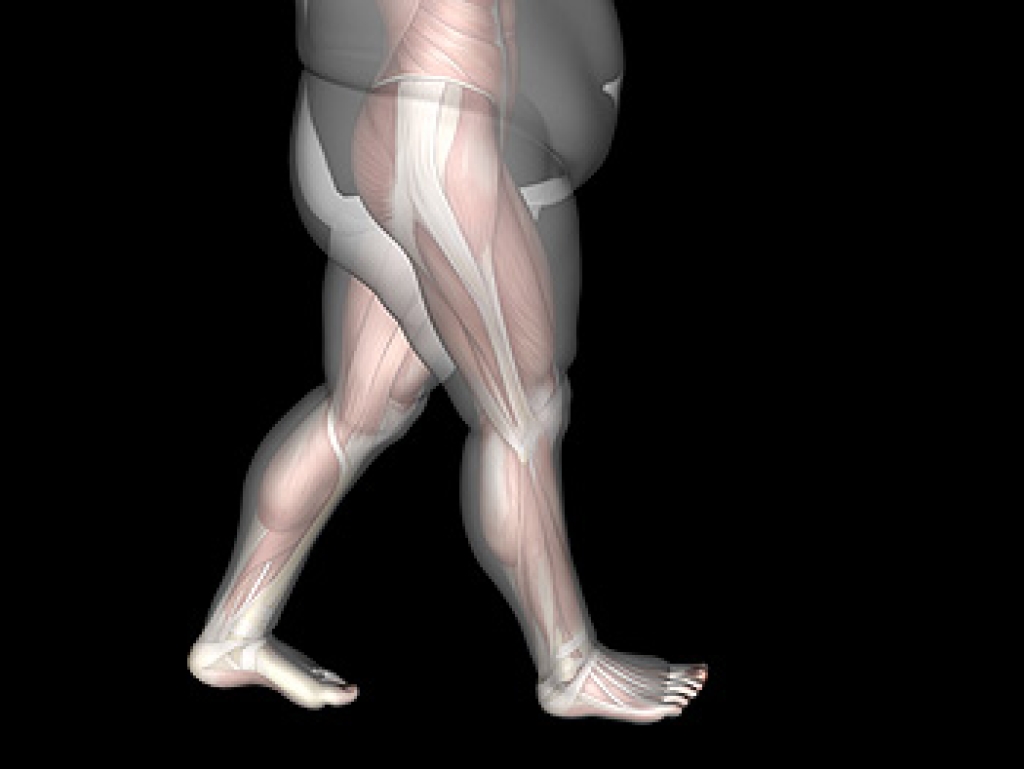
Carrying extra weight can place added stress on the lower limbs, which may contribute to discomfort like joint pain, flat feet, or plantar fasciitis. This strain on the knees, ankles, and feet can sometimes lead to arthritis, or make existing conditions feel worse. When surgery on the lower limbs is needed, the healing process may take longer due to the extra pressure on the area. For those living with diabetes or peripheral neuropathy, carrying additional weight may increase the chance of delayed healing or issues like ulcers due to reduced circulation and sensation. If you are experiencing foot or ankle pain, relief is possible with immobilization of the ankle, which can help reduce strain and promote healing. If you are a person carrying excess weight and you are struggling with lower extremity problems, it is suggested that you see a podiatrist for compassionate, personalized care to address your concerns, and help keep your feet and ankles healthy and strong.
Obesity has become very problematic at this point in time and can have extremely negative effects on the feet. If you’re an obese individual and are concerned about your feet, contact Gary Saphire, DPM from Parkway Podiatry. Our doctor can provide the care you need to keep you pain-free and on your feet.
Obesity and Your Feet
Since your feet are what support your entire weight when standing, any additional weight can result in pain and swelling. Being overweight is one of the main contributors to foot complications.
Problems & Complications
Extra Weight – Even putting on just a few extra pounds could create serious complications for your feet. As your weight increases, your balance and body will shift, creating new stresses on your feet. This uneven weight distribution can cause pain, even while doing the simplest tasks, such as walking.
Diabetes – People who are overweight are at serious risk of developing type-2 diabetes, which has a drastic impact on the health of your feet. As you get older, your diabetes might worsen, which could lead to loss of feeling in your feet, sores, and bruises. You could also become more prone to various infections.
Plantar fasciitis – Pressure and stress that is placed on muscles, joints, and tendons can trigger plantar fasciitis, which is an inflammation of tissue that forms along the bottom of the foot.
If you have any questions, please feel free to contact our office located in Brooklyn, NY. We offer the newest diagnostic and treatment technologies for all your foot care needs.
Peripheral neuropathy is a condition that affects the peripheral nervous system, causing damage to the nerves outside the brain and spinal cord. It can result from various factors, including diabetes, injury, infections, or certain medications. The symptoms often include pain, weakness, numbness, tingling, and a burning sensation, typically in the feet and hands. This discomfort can range from mild to severe and may make walking or performing daily tasks difficult. Treatment for peripheral neuropathy depends on the underlying cause but usually includes pain management, targeted exercises, and medications to reduce nerve inflammation. In some cases, lifestyle changes like controlling blood sugar or improving circulation may help alleviate symptoms. A podiatrist can assist by evaluating your condition, offering pain relief strategies, providing custom orthotics to improve mobility, and recommending exercises to maintain strength and flexibility. If you are experiencing symptoms of peripheral neuropathy, it is suggested that you schedule an appointment with a podiatrist for expert care and management.
Neuropathy
Neuropathy can be a potentially serious condition, especially if it is left undiagnosed. If you have any concerns that you may be experiencing nerve loss in your feet, consult with Gary Saphire, DPM from Parkway Podiatry. Our doctor will assess your condition and provide you with quality foot and ankle treatment for neuropathy.
What Is Neuropathy?
Neuropathy is a condition that leads to damage to the nerves in the body. Peripheral neuropathy, or neuropathy that affects your peripheral nervous system, usually occurs in the feet. Neuropathy can be triggered by a number of different causes. Such causes include diabetes, infections, cancers, disorders, and toxic substances.
Symptoms of Neuropathy Include:
Numbness
Sensation loss
Prickling and tingling sensations
Throbbing, freezing, burning pains
Muscle weakness
Those with diabetes are at serious risk due to being unable to feel an ulcer on their feet. Diabetics usually also suffer from poor blood circulation. This can lead to the wound not healing, infections occurring, and the limb may have to be amputated.
Treatment
To treat neuropathy in the foot, podiatrists will first diagnose the cause of the neuropathy. Figuring out the underlying cause of the neuropathy will allow the podiatrist to prescribe the best treatment, whether it be caused by diabetes, toxic substance exposure, infection, etc. If the nerve has not died, then it’s possible that sensation may be able to return to the foot.
Pain medication may be issued for pain. Electrical nerve stimulation can be used to stimulate nerves. If the neuropathy is caused from pressure on the nerves, then surgery may be necessary.
If you have any questions, please feel free to contact our office located in Brooklyn, NY. We offer the newest diagnostic and treatment technologies for all your foot care needs.
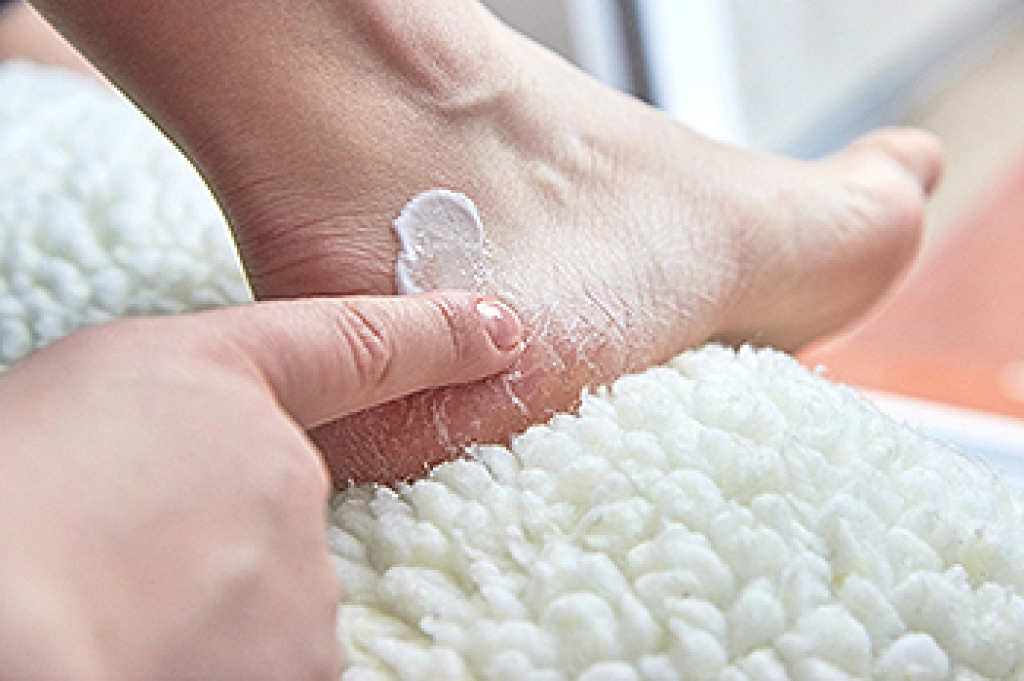
Cracked heels, or heel fissures, are common skin splits caused by dryness and thickened skin on the heel’s edges. These cracks often result from prolonged pressure or lack of moisture, making the skin lose elasticity and resilience. While anyone can develop cracked heels, they are more common in women due to factors like hormonal changes, which affect skin hydration, and lifestyle habits such as wearing open-backed shoes or high heels, which increase pressure on the heels. Cracked heels can worsen with standing for long hours, obesity, or walking barefoot. Preventing them involves regular moisturizing with thick creams or balms, exfoliating dead skin, and wearing supportive, closed shoes. Relief includes removing hardened skin with a pumice stone and using intensive foot creams. If you have severe cracked heels, it is strongly suggested that you consult a podiatrist to avoid infection and restore comfort.
If the skin on your feet starts to crack, you may want to see a podiatrist to find treatment. If you have any concerns, contact Gary Saphire, DPM from Parkway Podiatry. Our doctor can provide the care you need to keep you pain-free and on your feet.
Cracked Heels
It is important to moisturize your cracked heels in order to prevent pain, bleeding, and infection. The reason cracked heels form is because the skin on the foot is too dry to support the immense pressure placed on them. When the foot expands, the dry skin on the foot begins to split.
Ways to Help Heal Them
Invest in a good foot cream
Try Using Petroleum Jelly
Ease up on Soaps
Drink Plenty of Water
Ways to Prevent Cracked Heels
Moisturize After Showering
Skip a Shower
Keep Shower Water Lukewarm
Don’t Scrub Your Feet
If you are unsure how to proceed in treating cracked heels, seek guidance from a podiatrist. Your doctor will help you with any questions or information you may need.
If you have any questions, please feel free to contact our office located in Brooklyn, NY. We offer the newest diagnostic and treatment technologies for all your foot care needs.
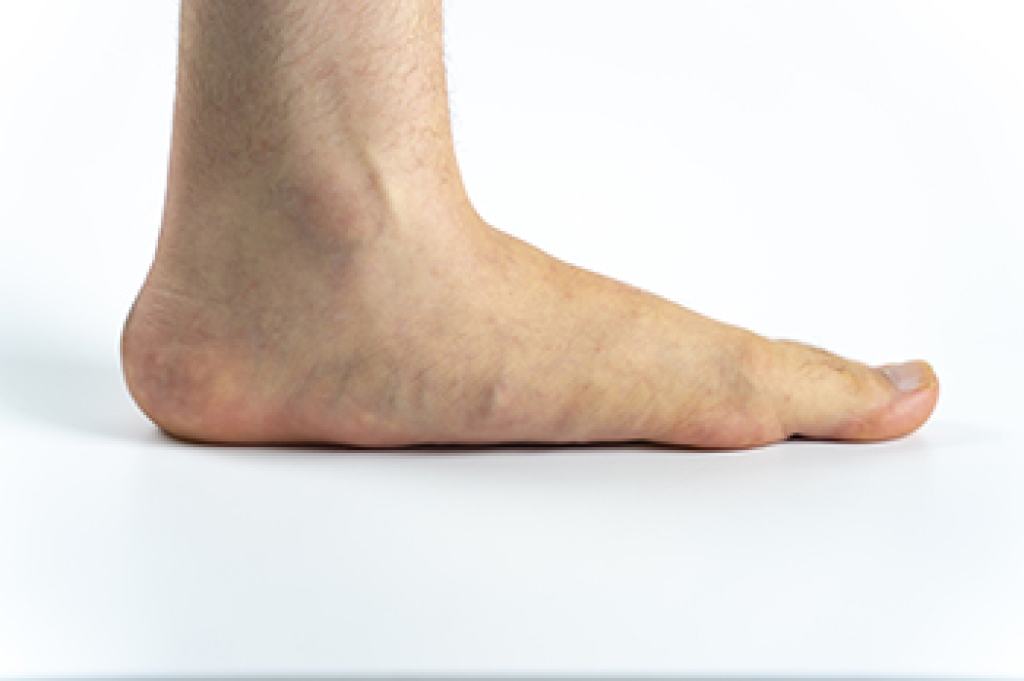
Flat feet, also known as fallen arches, occur when the arch of the foot collapses, causing the entire sole to make contact with the ground. This condition can be congenital, meaning some individuals are born with flat feet, or it can develop over time due to factors like aging, injury, or certain medical conditions. It can also be caused by overuse, particularly in athletes or individuals who stand for long periods of time. To test for flat feet, one simple method is the wet test, where a person steps on a wet surface and then onto a dry one, leaving an imprint of their foot. If the arch is absent or very small, it may indicate flat feet. Effective exercises for flat feet focus on strengthening the foot muscles and improving flexibility. These may include toe curls, arch lifts, and calf stretches. Wearing supportive footwear and using orthotics can also help manage the condition. If you have flat feet, it is suggested that you are under the care of a podiatrist who can offer you effective relief techniques.
Flatfoot is a condition many people suffer from. If you have flat feet, contact Gary Saphire, DPM from Parkway Podiatry. Our doctor will treat your foot and ankle needs.
What Are Flat Feet?
Flatfoot is a condition in which the arch of the foot is depressed and the sole of the foot is almost completely in contact with the ground. About 20-30% of the population generally has flat feet because their arches never formed during growth.
Conditions & Problems:
Having flat feet makes it difficult to run or walk because of the stress placed on the ankles.
Alignment – The general alignment of your legs can be disrupted, because the ankles move inward which can cause major discomfort.
Knees – If you have complications with your knees, flat feet can be a contributor to arthritis in that area.
Symptoms
Pain around the heel or arch area
Trouble standing on the tip toe
Swelling around the inside of the ankle
Flat look to one or both feet
Having your shoes feel uneven when worn
Treatment
If you are experiencing pain and stress on the foot you may weaken the posterior tibial tendon, which runs around the inside of the ankle.
If you have any questions, please feel free to contact our office located in Brooklyn, NY. We offer the newest diagnostic and treatment technologies for all your foot care needs.
Your feet are covered most of the day. If you're diabetic, periodic screening is important for good health. Numbness is often a sign of diabetic foot and can mask a sore or wound.
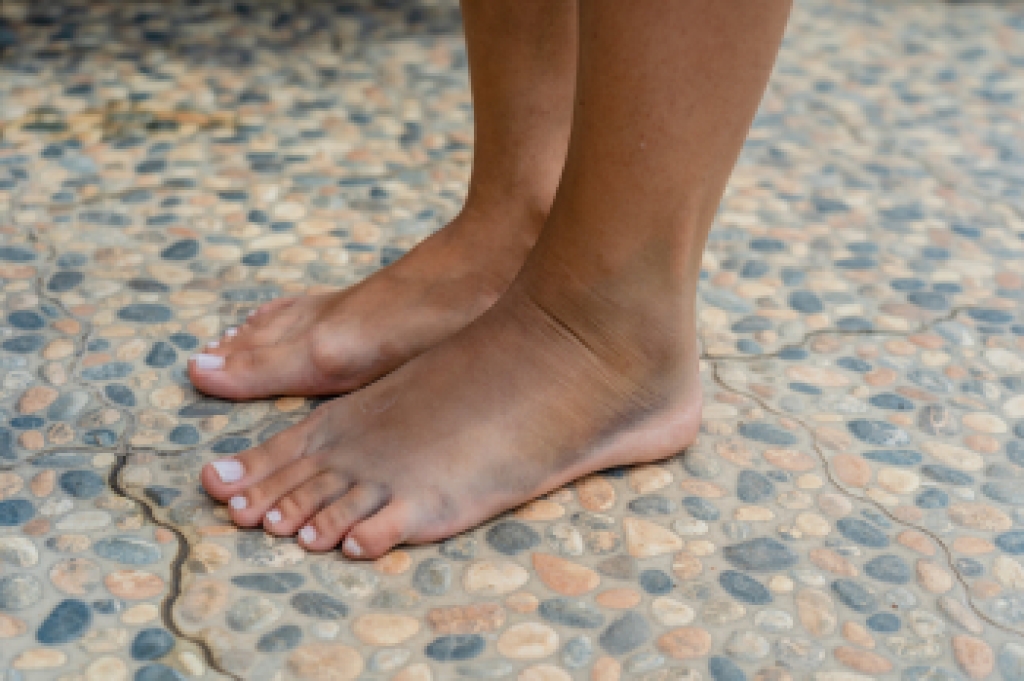
Foot pain caused by bruises, such as contusions and hematomas, can be both uncomfortable and concerning. These injuries occur when blood vessels beneath the skin are damaged, typically from a direct impact or trauma, like dropping something heavy on your foot or stubbing your toe. Contusions result in pain, swelling, and discoloration, while a hematoma occurs when blood collects in a confined area, creating larger, more painful swelling. The primary symptoms of bruises on the foot include pain, swelling, and a visible darkening or redness of the skin. If the pain persists or if there is significant swelling, a podiatrist can assess the injury and ensure there are no underlying fractures. This type of doctor can also recommend appropriate treatments for faster healing. If you have this condition, it is suggested that you schedule an appointment with a podiatrist.
Foot Pain
Foot pain can be extremely painful and debilitating. If you have a foot pain, consult with Gary Saphire, DPM from Parkway Podiatry. Our doctor will assess your condition and provide you with quality foot and ankle treatment.
Causes
Foot pain is a very broad condition that could be caused by one or more ailments. The most common include:
Bunions
Hammertoes
Plantar Fasciitis
Bone Spurs
Corns
Tarsal Tunnel Syndrome
Ingrown Toenails
Arthritis (such as Gout, Rheumatoid, and Osteoarthritis)
To figure out the cause of foot pain, podiatrists utilize several different methods. This can range from simple visual inspections and sensation tests to X-rays and MRI scans. Prior medical history, family medical history, and any recent physical traumatic events will all be taken into consideration for a proper diagnosis.
Treatment
Treatment depends upon the cause of the foot pain. Whether it is resting, staying off the foot, or having surgery; podiatrists have a number of treatment options available for foot pain.
If you have any questions, please feel free to contact our office located in Brooklyn, NY. We offer the newest diagnostic and treatment technologies for all your foot care needs.
Skateboarding places a significant amount of stress on the feet, which can lead to pain and discomfort. The most vulnerable areas include the heels, arches, and toes. The repetitive impact from jumping, landing, and pushing can cause bruising and strain, especially if the feet are not properly supported. The constant shifting of weight and pressure on different parts of the foot, combined with high-impact landings, can lead to stress fractures, sprains, or overuse injuries. When skateboarding, the feet move in various ways, including flexing, extending, and twisting, as skateboarders perform tricks and maneuvers. This dynamic movement puts pressure on the muscles, ligaments, and tendons in the feet, increasing the risk of injury. If you have sustained a foot injury while skateboarding, it is suggested that you consult a podiatrist who can treat various foot conditions.
Sports related foot and ankle injuries require proper treatment before players can go back to their regular routines. For more information, contact Gary Saphire, DPM of Parkway Podiatry. Our doctor can provide the care you need to keep you pain-free and on your feet.
Sports Related Foot and Ankle Injuries
Foot and ankle injuries are a common occurrence when it comes to athletes of any sport. While many athletes dismiss the initial aches and pains, the truth is that ignoring potential foot and ankle injuries can lead to serious problems. As athletes continue to place pressure and strain the area further, a mild injury can turn into something as serious as a rupture and may lead to a permanent disability. There are many factors that contribute to sports related foot and ankle injuries, which include failure to warm up properly, not providing support or wearing bad footwear. Common injuries and conditions athletes face, including:
Plantar Fasciitis
Achilles Tendinitis
Achilles Tendon Rupture
Ankle Sprains
Sports related injuries are commonly treated using the RICE method. This includes rest, applying ice to the injured area, compression and elevating the ankle. More serious sprains and injuries may require surgery, which could include arthroscopic and reconstructive surgery. Rehabilitation and therapy may also be required in order to get any recovering athlete to become fully functional again. Any unusual aches and pains an athlete sustains must be evaluated by a licensed, reputable medical professional.
If you have any questions please contact our office located in Brooklyn, NY. We offer the newest diagnostic and treatment technologies for all your foot and ankle needs.
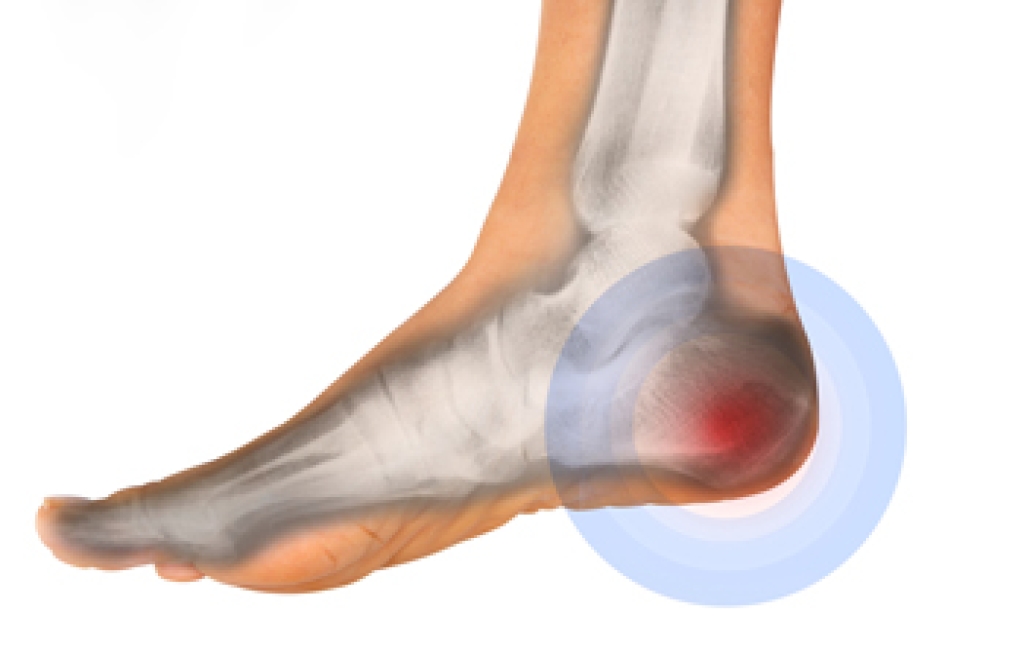
Heel pain can be caused by a variety of factors that place stress on the structures of the foot, particularly the heel bone, muscles, and ligaments. Some common causes of heel pain include abnormal walking patterns, obesity, wearing ill-fitting footwear, and prolonged standing or activities on hard surfaces. Physically active people, middle-aged adults, pregnant women, and those with arthritis or diabetes are at greater risk. Heel pain may also result from injuries like stress fractures, inflammation of soft tissues such as bursitis, or nerve issues like neuromas. Complications can include plantar fasciitis, where the connective tissue along the sole becomes inflamed, and heel spurs, which are calcified growths linked to chronic strain. A podiatrist can determine the cause of heel pain, identify contributing factors like gait abnormalities, and recommend treatment, such as custom orthotics or adjustments to footwear. If you are experiencing heel pain, it is suggested that you schedule an appointment with a podiatrist for a diagnosis and treatment options.
Many people suffer from bouts of heel pain. For more information, contact Gary Saphire, DPM of Parkway Podiatry. Our doctor can provide the care you need to keep you pain-free and on your feet.
Causes of Heel Pain
Heel pain is often associated with plantar fasciitis. The plantar fascia is a band of tissues that extends along the bottom of the foot. A rip or tear in this ligament can cause inflammation of the tissue.
Achilles tendonitis is another cause of heel pain. Inflammation of the Achilles tendon will cause pain from fractures and muscle tearing. Lack of flexibility is also another symptom.
Heel spurs are another cause of pain. When the tissues of the plantar fascia undergo a great deal of stress, it can lead to ligament separation from the heel bone, causing heel spurs.
Why Might Heel Pain Occur?
Wearing ill-fitting shoes
Wearing non-supportive shoes
Weight change
Excessive running
Treatments
Heel pain should be treated as soon as possible for immediate results. Keeping your feet in a stress-free environment will help. If you suffer from Achilles tendonitis or plantar fasciitis, applying ice will reduce the swelling. Stretching before an exercise like running will help the muscles. Using all these tips will help make heel pain a condition of the past.
If you have any questions, please feel free to contact our office located in Brooklyn, NY. We offer the newest diagnostic and treatment technologies for all your foot care needs.