Like us on facebook
Follow us on twitter
review us on google

How Pregnancy Affects Foot Health

During pregnancy, foot problems often arise due to weight gain, fluid retention, and hormonal changes. The hormone relaxin, which loosens joints to prepare for childbirth, also affects the feet by weakening ligaments and flattening arches. This can lead to fallen arches, overpronation, and heel or arch pain. As the body’s weight increases, more pressure is placed on the feet, sometimes resulting in plantar fasciitis or general foot fatigue. Swelling in the feet and ankles, particularly in the later months, is also common due to increased blood volume and fluid accumulation. Toenail growth may change, and swelling can contribute to the development of painful ingrown toenails. These issues may make walking or standing uncomfortable and increase the risk of balance problems. A podiatrist can evaluate foot structure, provide custom orthotics, and offer safe and effective treatment options to address pain or pressure. If you have foot problems during pregnancy, it is suggested that you schedule an appointment with a podiatrist for an exam and appropriate treatment options.

Pregnant women with swollen feet can be treated with a variety of different methods that are readily available. For more information about other cures for swollen feet during pregnancy, consult with Gary Saphire, DPM from Parkway Podiatry. Our doctor will attend to all of your foot and ankle needs.

What Foot Problems Can Arise During Pregnancy?

One problem that can occur is overpronation, which occurs when the arch of the foot flattens and tends to roll inward.  This can cause pain and discomfort in your heels while you’re walking or even just standing up, trying to support your baby.  

Another problem is edema, or swelling in the extremities. This often affects the feet during pregnancy but tends to occur in the later stages. 

How Can I Keep My Feet Healthy During Pregnancy?

  • Wearing orthotics can provide extra support for the feet and help distribute weight evenly
  • Minimize the amount of time spent walking barefoot
  • Wear shoes with good arch support
  • Wear shoes that allow for good circulation to the feet
  • Elevate feet if you experience swelling
  • Massage your feet
  • Get regular, light exercise, such as walking, to promote blood circulation to the feet

If you have any questions, please feel free to contact our office located in Brooklyn, NY . We offer the newest diagnostic and treatment technologies for all your foot care needs.

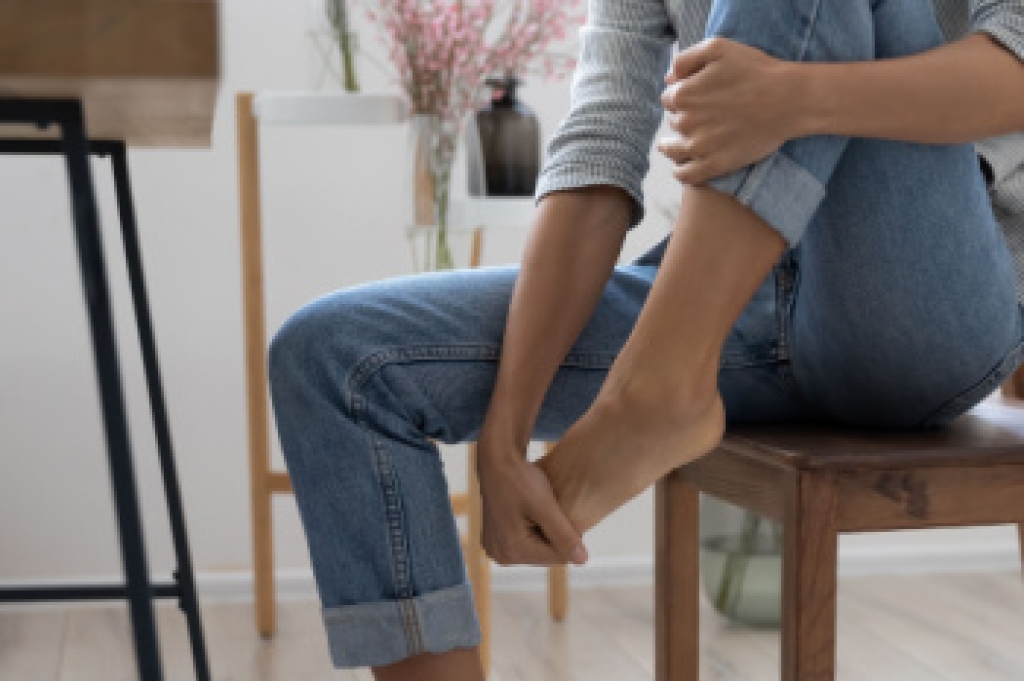
Read more about Pregnancy and Foot Health

When Children Experience Forefoot and Midfoot Problems

Foot pain is not just an adult issue. Children can develop a range of conditions in the forefoot and midfoot that affect how they move and play. Pain in this part of the foot can stem from injuries, repeated strain, or even an underlying infection. Some common concerns include ingrown toenails, early bunion formation, or issues involving the small bones beneath the big toe joint. Structural changes, like an overlapping fifth toe present from birth, can also lead to discomfort or difficulty with shoes. Children who are active in sports may develop overuse injuries or even fractures that affect the middle or front portion of the foot. A podiatrist will assess the child’s foot shape, movement, and symptoms to identify the source of the problem. Treatment may involve footwear adjustments, orthotics, or activity modification. If your child shows signs of foot pain or changes in walking, it is suggested you schedule a podiatry visit for an accurate diagnosis and appropriate treatment.

Making sure that your children maintain good foot health is very important as they grow. If you have any questions, contact Gary Saphire, DPM of Parkway Podiatry. Our doctor can provide the care you need to keep you pain-free and on your feet.

Keeping Children's Feet Healthy

Having healthy feet during childhood can help prevent medical problems later in life, namely in the back and legs. As children grow, their feet require different types of care. Here are some things to consider...

Although babies do not walk yet, it is still very important to take care of their feet.

Avoid putting tight shoes or socks on his or her feet.

Allow the baby to stretch and kick his or her feet to feel comfortable.

As a toddler, kids are now on the move and begin to develop differently. At this age, toddlers are getting a feel for walking, so don’t be alarmed if your toddler is unsteady or ‘walks funny’. 

As your child gets older, it is important to teach them how to take care of their feet.

Show them proper hygiene to prevent infections such as fungus.

Be watchful for any pain or injury.

Have all injuries checked by a doctor as soon as possible.

Comfortable, protective shoes should always be worn, especially at play.

If you have any questions, please feel free to contact our office located in Brooklyn, NY . We offer the newest diagnostic and treatment technologies for all your foot care needs.
Read more about What to Do to Keep Your Child’s Feet Healthy

Toe Pain Caused by Arthritis

Arthritis in the toes occurs when the joints become inflamed, often causing pain, stiffness, and swelling. The big toe is frequently affected, although smaller toes may also become painful. Common causes include osteoarthritis, rheumatoid arthritis, or gout, as well as past injuries such as sprains or fractures. Risk factors include aging, excess weight, family history, or wearing tight, high-heeled shoes. As cartilage between the toe joints wears away, bones may rub together, leading to inflammation and pain. Symptoms range from a dull ache to sharp stabbing sensations, particularly during walking. Stiffness and swelling can make it hard to move the toes or wear shoes comfortably. In some cases, clicking or grinding noises may occur as the joint deteriorates. The toe may even change shape, appear larger, or shift position. If you are experiencing symptoms of arthritic toe pain, it is suggested that you schedule an appointment with a podiatrist for an exam and appropriate treatment options.

Arthritis can be a difficult condition to live with. If you are seeking treatment, contact Gary Saphire, DPM from Parkway Podiatry. Our doctor can provide the care you need to keep you pain-free and on your feet.

Arthritic Foot Care  

Arthritis is a term that is commonly used to describe joint pain.  The condition itself can occur to anyone of any age, race, or gender, and there are over 100 types of it.  Nevertheless, arthritis is more commonly found in women compared to men, and it is also more prevalent in those who are overweight. The causes of arthritis vary depending on which type of arthritis you have. Osteoarthritis for example, is often caused by injury, while rheumatoid arthritis is caused by a misdirected immune system.

Symptoms

  • Swelling
  • Pain
  • Stiffness
  • Decreased Range of Motion

Arthritic symptoms range in severity, and they may come and go. Some symptoms stay the same for several years but could potentially get worse with time. Severe cases of arthritis can prevent its sufferers from performing daily activities and make walking difficult.

Risk Factors

  • Occupation – Occupations requiring repetitive knee movements have been linked to osteoarthritis
  • Obesity – Excess weight can contribute to osteoarthritis development
  • Infection – Microbial agents can infect the joints and trigger arthritis
  • Joint Injuries – Damage to joints may lead to osteoarthritis
  • Age – Risk increases with age
  • Gender –Most types are more common in women
  • Genetics – Arthritis can be hereditary

If you suspect your arthritis is affecting your feet, it is crucial that you see a podiatrist immediately. Your doctor will be able to address your specific case and help you decide which treatment method is best for you.

If you have any questions please feel free to contact our office located in Brooklyn, NY . We offer the newest diagnostic tools and technology to treat your foot and ankle needs.

Read more about How to Care for Your Arthritic Foot

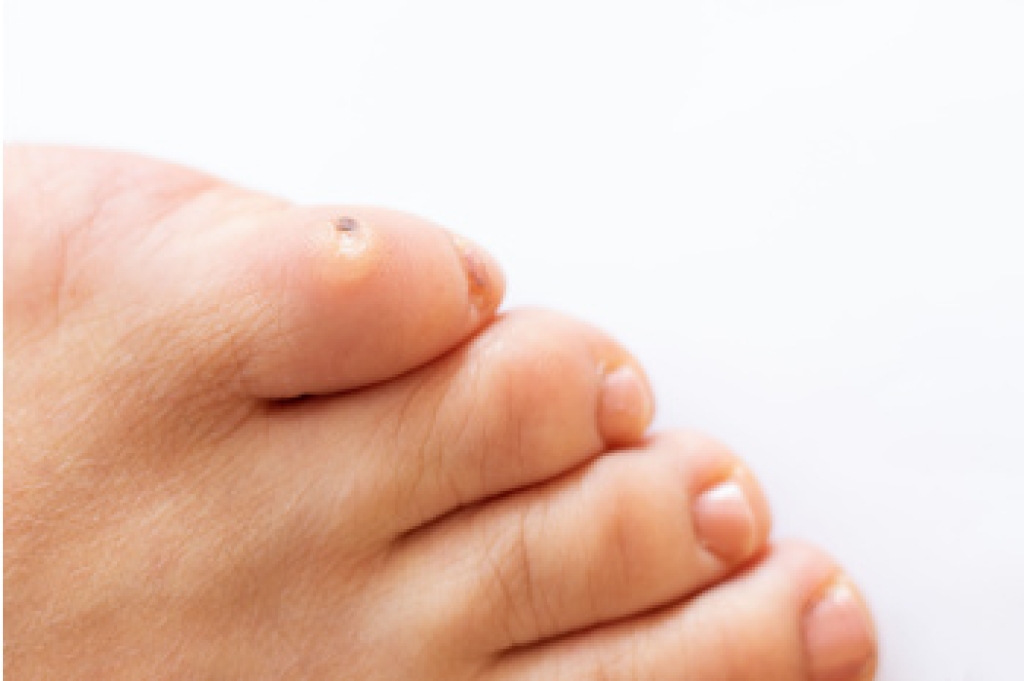
Types of Corns on the Feet

Corns are small, thick areas of skin that form on the feet in response to repeated rubbing or pressure. Unlike calluses, which tend to be broader and more spread out, corns on the feet or toes are usually round and well-defined. They can become painful, especially when they press against bones or shoes. There are a few common types of corns. Hard corns often appear on the top or side of the toes, especially over joints where the skin rubs against footwear. Soft corns form between the toes and stay moist due to trapped sweat, which can make the skin break down or lead to infection. Seed corns, which are smaller, are typically found on the soles in areas that do not carry much weight. They usually do not cause pain. If you have a painful corn on your foot, it is suggested that you schedule an appointment with a podiatrist for safe and sterile treatment.

If you have any concerns regarding your feet and ankles, contact Gary Saphire, DPM of Parkway Podiatry. Our doctor will treat your foot and ankle needs.

Corns: What Are They? and How Do You Get Rid of Them?
Corns can be described as areas of the skin that have thickened to the point of becoming painful or irritating. They are often layers and layers of the skin that have become dry and rough, and are normally smaller than calluses.

Ways to Prevent Corns
There are many ways to get rid of painful corns such as wearing:

  • Well-fitting socks
  • Comfortable shoes that are not tight around your foot
  • Shoes that offer support

Treating Corns
Treatment of corns involves removing the dead skin that has built up in the specific area of the foot. Consult with Our doctor to determine the best treatment option for your case of corns.

If you have any questions, please feel free to contact our office located in Brooklyn, NY . We offer the newest diagnostic and treatment technologies for all your foot care needs.

Read more about Corns: What Are They, and How Do You Get Rid of Them

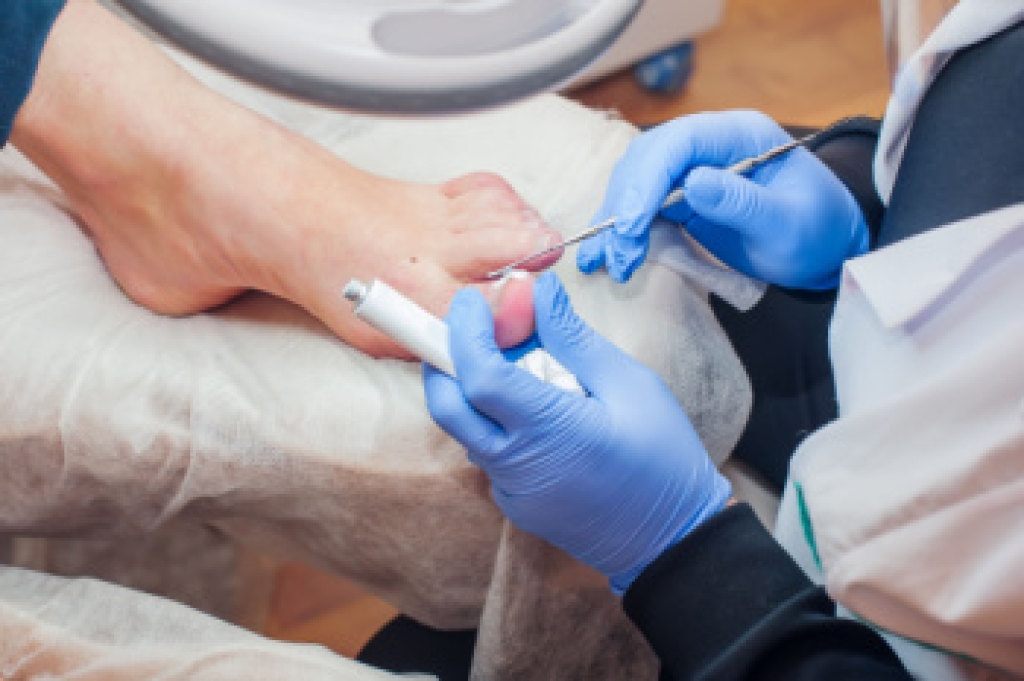
Let the Expert Treat Your Ingrown Toenails

Ingrown toenails can be painful and can make wearing shoes or walking uncomfortable. Seek professional help if you believe you've developed an ingrown toenail and be treated safely. 

Safe Exercises for Common Foot Conditions

Exercise can support healing and strength for many foot conditions when done at the right level. Gentle stretching and strengthening movements may help improve flexibility and reduce discomfort. It is important to aim for minimal or acceptable pain during activity, which means a mild ache that does not increase or linger. Excessive pain, sharp discomfort, or swelling after exercise may signal overuse or improper technique. A podiatrist can recommend specific exercises based on your condition, monitor progress, and guide you on safe intensity. If you have ongoing foot pain or are unsure of which stretches are best, it is suggested that you visit a podiatrist to create a plan that supports recovery, mobility, and long-term foot health.

Stretching the feet is a great way to prevent injuries. If you have any concerns with your feet consult with Gary Saphire, DPM from Parkway Podiatry. Our doctor will assess your condition and provide you with quality foot and ankle treatment.

Stretching the Feet

Stretching the muscles in the foot is an important part in any physical activity. Feet that are tight can lead to less flexibility and make you more prone to injury. One of the most common forms of foot pain, plantar fasciitis, can be stretched out to help ease the pain. Stretching can not only ease pain from plantar fasciitis but also prevent it as well. However, it is important to see a podiatrist first if stretching is right for you. Podiatrists can also recommend other ways to stretch your feet. Once you know whether stretching is right for you, here are some excellent stretches you can do.

  • Using a foam roller or any cylindrical object (a water bottle or soda can will do), roll the object under your foot back and forth. You should also exert pressure on the object. Be sure to do this to both feet for a minute. Do this exercise three times each.
  • Similar to the previous one, take a ball, such as a tennis ball, and roll it under your foot while seated and exert pressure on it.
  • Grab a resistance band or towel and take a seat. If you are using a towel, fold it length wise. Next put either one between the ball of your foot and heel and pull with both hands on each side towards you. Hold this for 15 seconds and then switch feet. Do this three times for each foot.
  • Finally hold your big toe while crossing one leg over the other. Pull the toe towards you and hold for 15 seconds. Once again do this three times per foot.

It is best to go easy when first stretching your foot and work your way up. If your foot starts hurting, stop exercising and ice and rest the foot. It is advised to then see a podiatrist for help.

If you have any questions please contact our office located in Brooklyn, NY . We offer the newest diagnostic and treatment technologies for all your foot and ankle needs.

Read more about Stretching Your Feet

Recognizing the Stages of Toenail Fungus

Toenail fungus progresses through early, moderate, and advanced stages. In the early stage, the nail may develop white or yellow spots and mild discoloration. The moderate stage brings thickening, increased discoloration, and brittleness. In the advanced stage, the nail may become deformed, separate from the nail bed, and emit an odor. Risk factors include walking barefoot in damp areas, wearing tight shoes, or having diabetes or poor circulation. Symptoms worsen over time and can cause pain or difficulty walking. A podiatrist can diagnose the severity of the infection and provide treatment, such as debridement, antifungal therapy, or laser treatment. If you have symptoms of toenail fungus, it is strongly suggested that you consult a podiatrist who can offer effective treatment solutions, which may include prescribed medication.

For more information about treatment, contact Gary Saphire, DPM of Parkway Podiatry. Our doctor can provide the care you need to keep you pain-free and on your feet.

Toenail Fungus Treatment

Toenail fungus is a condition that affects many people and can be especially hard to get rid of. Fortunately, there are several methods to go about treating and avoiding it.

Antifungals & Deterrence

Oral antifungal medicine has been shown to be effective in many cases. It is important to consult with a podiatrist to determine the proper regiment for you, or potentially explore other options.

Applying foot powder on the feet and shoes helps keep the feet free of moisture and sweat.

Sandals or open toed shoes – Wearing these will allow air movement and help keep feet dry. They also expose your feet to light, which fungus cannot tolerate. Socks with moisture wicking material also help as well.

If you have any questions please contact our office located in Brooklyn, NY . We offer the newest diagnostic and treatment technologies for all your foot and ankle needs.

Read more about Treating Toenail Fungus

Managing Foot and Ankle Pain on Multi-Day Bike Rides

Foot and ankle pain during multi-day bike rides is common and can affect performance and enjoyment. One issue is hot foot, or burning pain and numbness in the ball of the foot caused by pressure on nerves from wearing tight shoes or long hours of pedaling. Pain along the outside edge of the foot may result from improper foot positioning or cleat alignment. Achilles tendonitis, marked by pain and stiffness in the back of the ankle, often stems from overuse or poor bike fit. A podiatrist can assess biomechanical problems, recommend footwear, and offer custom orthotics to relieve pain. For lasting relief and injury prevention, it is suggested that you schedule a consultation with a podiatrist who can accurately diagnose and offer effective treatment solutions.

Sports related foot and ankle injuries require proper treatment before players can go back to their regular routines. For more information, contact Gary Saphire, DPM of Parkway Podiatry. Our doctor can provide the care you need to keep you pain-free and on your feet.

Sports Related Foot and Ankle Injuries

Foot and ankle injuries are a common occurrence when it comes to athletes of any sport. While many athletes dismiss the initial aches and pains, the truth is that ignoring potential foot and ankle injuries can lead to serious problems. As athletes continue to place pressure and strain the area further, a mild injury can turn into something as serious as a rupture and may lead to a permanent disability. There are many factors that contribute to sports related foot and ankle injuries, which include failure to warm up properly, not providing support or wearing bad footwear. Common injuries and conditions athletes face, including:

  • Plantar Fasciitis
  • Achilles Tendinitis
  • Achilles Tendon Rupture
  • Ankle Sprains

Sports related injuries are commonly treated using the RICE method. This includes rest, applying ice to the injured area, compression and elevating the ankle. More serious sprains and injuries may require surgery, which could include arthroscopic and reconstructive surgery. Rehabilitation and therapy may also be required in order to get any recovering athlete to become fully functional again. Any unusual aches and pains an athlete sustains must be evaluated by a licensed, reputable medical professional.

If you have any questions please contact our office located in Brooklyn, NY . We offer the newest diagnostic and treatment technologies for all your foot and ankle needs.

Read more about Sports Related Foot And Ankle Injuries

Listening to Children About Their Footwear Choices

Children have clear opinions about the shoes they wear, and their feedback offers important insight. While adults may focus on fit or durability, children often base their choices on how shoes feel during play, how easy they are to put on, or even how they look to peers. Comfort is often described in ways that reflect movement, whether shoes feel tight, squishy, or too hard. When kids resist wearing certain shoes, it may not just be about style. It could signal that the shoes feel restrictive, awkward, or even painful. Engaging with children about what they notice helps caregivers and providers make better choices that support growing feet without causing frustration or discomfort. The right shoes can promote healthy development and make activity more enjoyable. If a child regularly avoids wearing shoes or complains of foot discomfort, it is suggested that you schedule an appointment with a podiatrist for a diagnosis and appropriate treatment.

The health of a child’s feet is vital to their overall well-being. If you have any questions regarding foot health, contact Gary Saphire, DPM of Parkway Podiatry. Our doctor can provide the care you need to keep you pain-free and on your feet.

Tips for Keeping Children's Feet Healthy

  • Make sure their shoes fit properly
  • Look for any signs of in-toeing or out-toeing
  • Check to see if they have Clubfoot (condition that affects your child’s foot and ankle, twisting the heel and toes inward) which is one of the most common nonmajor birth defects.
  • Lightly cover your baby’s feet (Tight covers may keep your baby from moving their feet freely, and could prevent normal development)
  • Allow your toddler to go shoeless (Shoes can be restricting for a young child’s foot)
  • Cut toenails straight across to avoid ingrown toenails
  • Keep your child’s foot clean and dry
  • Cover cuts and scrapes. Wash any scratches with soap and water and cover them with a bandage until they’ve healed.

If you have any questions, please feel free to contact our office located in Brooklyn, NY . We offer the newest diagnostic and treatment technologies for all your foot care needs.

Read more about How to Care for Your Child's Feet
scroll to top