Have your feet inspected by a professional before starting a new sport or physical activity. Taking charge of your foot health will keep you in good physical condition and can help you avoid a potential injury, such as a fracture or sprained ankle.
Some people develop a hard lump under the toenail, often near the big toe. This bump, known as subungual exostosis, is an overgrowth of bone that can push the nail upward or make shoes feel uncomfortable. Over time, the pressure may lead to a painful ingrown toenail, a condition called chronic onychocryptosis. This happens when the nail grows into the surrounding skin, causing swelling, redness, and sometimes infection. The bone growth and the ongoing nail problem often go hand in hand, making the toe sore and hard to treat at home. A podiatrist can take X-rays to confirm the bone growth and suggest the best treatment, which may include minor surgery to remove the bump and help the nail grow normally again. If you have a painful or abnormal toenail that does not get better, it is suggested that you see a podiatrist for a proper diagnosis and appropriate treatment.
Toe pain can disrupt your daily activities. If you have any concerns, contact Gary Saphire, DPM of Parkway Podiatry. Our doctor can provide the care you need to keep you pain-free and on your feet.
What Causes Toe Pain?
Most severe toe pain is caused due to a sports injury, trauma from dropping something heavy on the toe, or bumping into something rigid. Other problems can develop over time for various reasons.
Toe pain can be caused by one or more ailments. The most common include:
Trauma
Sports injury
Wearing shoes that are too tight
Arthritis
Gout
Corns and calluses
Hammertoe
Bunions
Blisters
Ingrown toenails
Sprains
Fractures (broken bones)
Dislocations
When to See a Podiatrist
Severe pain
Persistent pain that lasts more than a week
Signs of infection
Continued swelling
Pain that prevents walking
Diagnosis
In many cases the cause of toe pain is obvious, but in others, a podiatrist may want to use more advanced methods to determine the problem. These can range from simple visual inspections and sensation tests to X-rays and MRI scans. Prior medical history, family medical history, and any recent physical traumatic events will all be taken into consideration for a proper diagnosis.
Treatment
Treatments for toe pain and injuries vary and may include shoe inserts, padding, taping, medicines, injections, and in some cases, surgery. If you believe that you have broken a toe, please see a podiatrist as soon as possible.
If you have any questions please contact our office located in Brooklyn, NY. We offer the newest diagnostic and treatment technologies for all your foot and ankle needs.
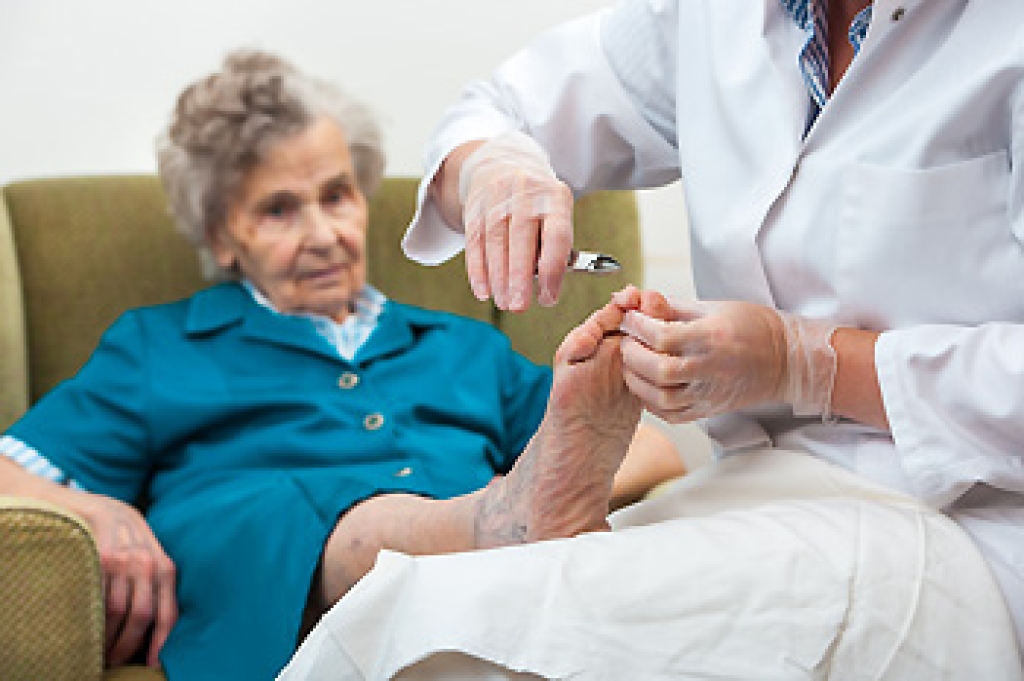
As we age, changes in circulation, skin health, and nerve function can increase the risk of foot problems. Regular foot exams help detect issues early, such as skin breakdown, poor circulation, deformities, or loss of sensation. These changes can lead to serious complications if not addressed promptly. During a foot exam, a podiatrist checks for signs of corns, calluses, ulcers, nail disorders, and circulation problems. They also assess for conditions like neuropathy, arthritis, or balance issues that can affect mobility and increase the risk of falls. Routine foot care and exams are an important part of staying active and independent. Older adults with diabetes, vascular disease, or difficulty trimming their nails benefit especially from regular professional care. If you or a loved one are experiencing foot discomfort or mobility issues, it is suggested that you schedule an appointment with a podiatrist to ensure early diagnosis and proper treatment.
Proper foot care is something many older adults forget to consider. If you have any concerns about your feet and ankles, contact Gary Saphire, DPM from Parkway Podiatry. Our doctor can provide the care you need to keep you pain-free and on your feet.
The Elderly and Their Feet
As we age we start to notice many changes in our body, but the elder population may not notice them right away. Medical conditions may prevent the elderly to take notice of their foot health right away. Poor vision is a lead contributor to not taking action for the elderly.
Common Conditions
Neuropathy – can reduce feeling in the feet and can hide many life-threatening medical conditions.
Reduced flexibility – prevents the ability of proper toenail trimming, and foot cleaning. If left untreated, it may lead to further medical issues.
Foot sores – amongst the older population can be serious before they are discovered. Some of the problematic conditions they may face are:
Gouging toenails affecting nearby toe
Shoes that don’t fit properly
Pressure sores
Loss of circulation in legs & feet
Edema & swelling of feet and ankles
Susceptible Infections
Diabetes and poor circulation can cause general loss of sensitivity over the years, turning a simple cut into a serious issue.
If you have any questions, please feel free to contact our office located in Brooklyn, NY. We offer the newest diagnostic and treatment technologies for all your foot care needs.
Foot and ankle injuries are frequent in athletes, whether from high-impact sports like basketball or repetitive activities such as running. Sprains, fractures, tendonitis, and overuse injuries can sideline even the most dedicated athletes, if not properly managed. Effective treatment begins with an accurate diagnosis. A detailed assessment of how the injury occurred, along with a physical exam and imaging when necessary, helps identify the extent of the damage. Early intervention is key. Rest, compression, and elevation are often the first steps taken to reduce pain and swelling. Supportive devices, such as braces or orthotics, may be recommended to protect the injured area and prevent further damage. Target exercises focus on restoring strength, flexibility, and balance to the foot and ankle. A gradual return to sport is important to avoid setbacks. To prevent future injuries, athletes may need to adjust footwear, training routines, or technique. If you have an active lifestyle and have incurred a foot or ankle injury, it is suggested that you schedule an appointment with a podiatrist for a comprehensive evaluation and personalized treatment plan.
Ankle and foot injuries are common among athletes and in many sports. They can be caused by several problems and may be potentially serious. If you are feeling pain or think you were injured in a sporting event or when exercising, consult with Gary Saphire, DPM from Parkway Podiatry. Our doctor will assess your condition and provide you with quality foot and ankle treatment.
Common Injuries
The most common injuries that occur in sporting activities include:
Achilles Tendonitis
Achilles Tendon Rupture
Ankle Sprains
Broken Foot
Plantar Fasciitis
Stress Fractures
Turf Toe
Symptoms
Symptoms vary depending upon the injury and in some cases, there may be no symptoms at all. However, in most cases, some form of symptom is experienced. Pain, aching, burning, bruising, tenderness, tightness or stiffness, sensation loss, difficulty moving, and swelling are the most common symptoms.
Treatment
Just as symptoms vary depending upon the injury, so do treatment options. A common treatment method is known as the RICE method. This method involves rest, applying ice, compression and elevating the afflicted foot or ankle. If the injury appears to be more serious, surgery might be required, such as arthroscopic or reconstructive surgery. Lastly, rehabilitation or therapy might be needed to gain full functionality in the afflicted area. Any discomfort experienced by an athlete must be evaluated by a licensed, reputable medical professional.
If you have any questions please contact our office located in Brooklyn, NY. We offer the newest diagnostic and treatment technologies for all your foot and ankle needs.
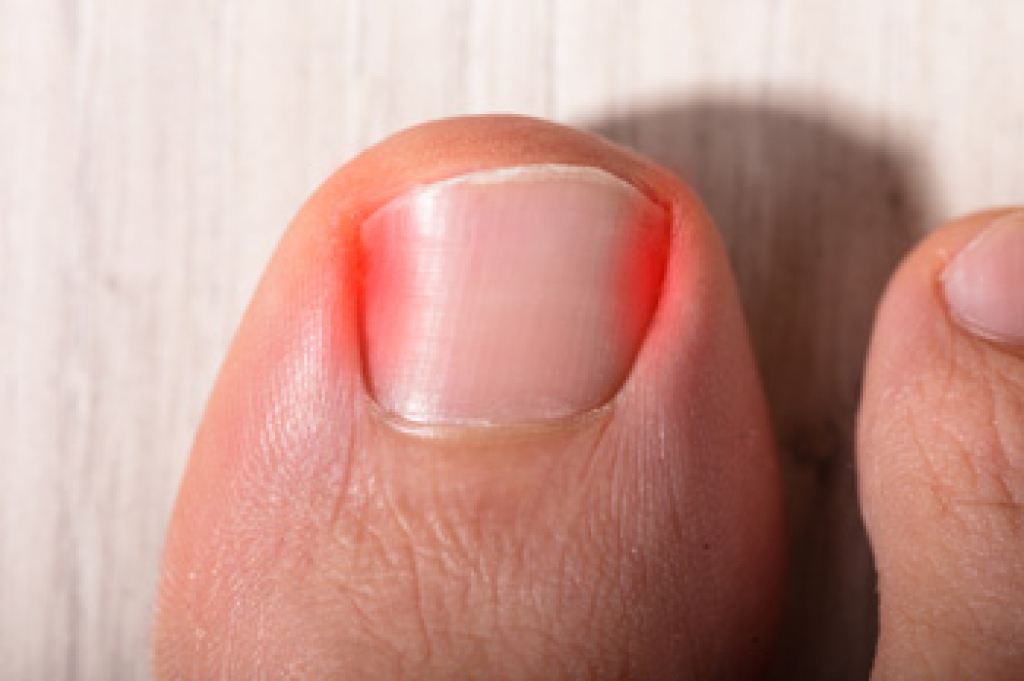
Ingrown toenails occur when the edges of the nail grow into the surrounding skin, causing pain, redness, and swelling. The area may become tender, and in some cases, it can become infected, leading to pus or an increased risk of complications. The primary causes of ingrown toenails include improper nail trimming, wearing tight shoes, or having naturally curved nails. This condition often results in sharp, throbbing pain, especially when pressure is applied, such as while walking or wearing shoes. A podiatrist can help by gently lifting the ingrown nail or, in more severe cases, removing part of the nail. This type of doctor may also recommend methods to prevent recurrence, such as proper nail care and footwear adjustments. If you are experiencing painful ingrown toenails, it is suggested that you schedule an appointment with a podiatrist.
Ingrown toenails may initially present themselves as a minor discomfort, but they may progress into an infection in the skin without proper treatment. For more information about ingrown toenails, contact Gary Saphire, DPM of Parkway Podiatry. Our doctor can provide the care you need to keep you pain-free and on your feet.
Ingrown Toenails
Ingrown toenails are caused when the corner or side of a toenail grows into the soft flesh surrounding it. They often result in redness, swelling, pain, and in some cases, infection. This condition typically affects the big toe and may recur if it is not treated properly.
Causes
Improper toenail trimming
Genetics
Improper shoe fitting
Injury from pedicures or nail picking
Abnormal gait
Poor hygiene
You are more likely to develop an ingrown toenail if you are obese, have diabetes, arthritis, or have any fungal infection in your nails. Additionally, people who have foot or toe deformities are at a higher risk of developing an ingrown toenail.
Symptoms
Some symptoms of ingrown toenails are redness, swelling, and pain. In rare cases, there may be a yellowish drainage coming from the nail.
Treatment
Ignoring an ingrown toenail can have serious complications. Infections of the nail border can progress to a deeper soft-tissue infection, which can then turn into a bone infection. You should always speak with your podiatrist if you suspect you have an ingrown toenail, especially if you have diabetes or poor circulation.
If you have any questions, please feel free to contact our office located in Brooklyn, NY. We offer the newest diagnostic and treatment technologies for all your foot care needs.
Foot or ankle pain can negatively affect your day-to-day life and can occur due to several different conditions. Pain can also be an indicator of a more serious underlying condition, which is why you should seek professional help as soon as you notice any abnormalities in your feet.
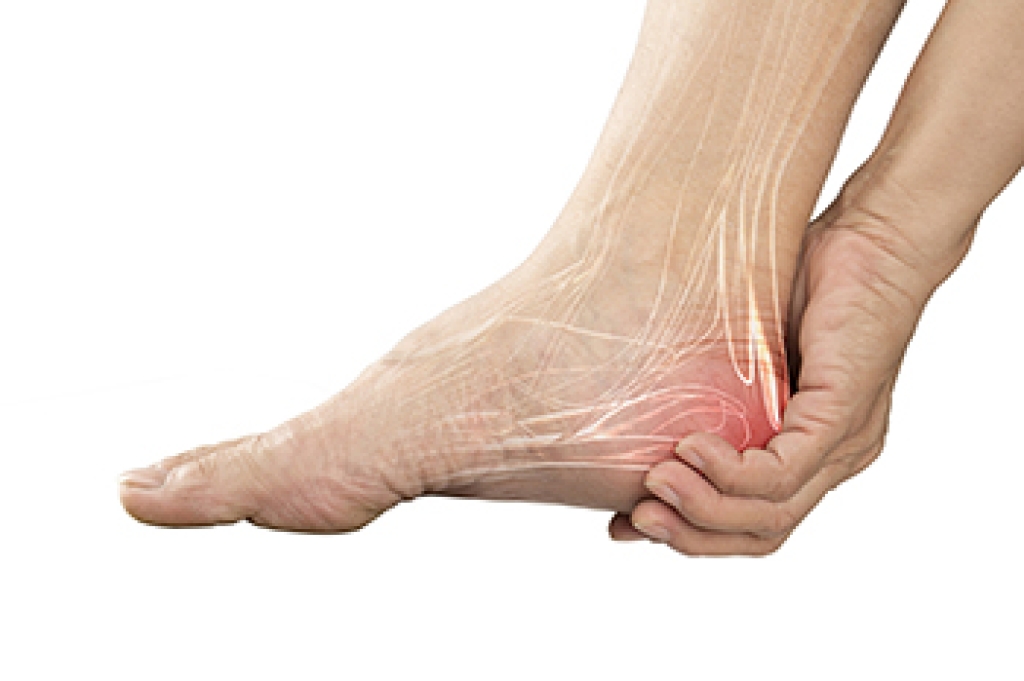
Heel spurs and plantar fasciitis are common causes of heel pain, but they are distinct conditions. A heel spur is a bony growth that develops on the heel bone due to prolonged strain on the foot muscles and ligaments. It often forms in response to repeated stress, but it does not always cause pain. Plantar fasciitis, on the other hand, is inflammation of the plantar fascia, a thick band of tissue that runs along the bottom of the foot. It results in sharp pain, especially in the morning or after long periods of rest. While heel spurs can be present in individuals with plantar fasciitis, they do not always contribute to discomfort. If you have heel pain, it is suggested that you consult a podiatrist who can accurately diagnose either condition, and guide you toward appropriate treatment solutions.
Many people suffer from bouts of heel pain. For more information, contact Gary Saphire, DPM of Parkway Podiatry. Our doctor can provide the care you need to keep you pain-free and on your feet.
Causes of Heel Pain
Heel pain is often associated with plantar fasciitis. The plantar fascia is a band of tissues that extends along the bottom of the foot. A rip or tear in this ligament can cause inflammation of the tissue.
Achilles tendonitis is another cause of heel pain. Inflammation of the Achilles tendon will cause pain from fractures and muscle tearing. Lack of flexibility is also another symptom.
Heel spurs are another cause of pain. When the tissues of the plantar fascia undergo a great deal of stress, it can lead to ligament separation from the heel bone, causing heel spurs.
Why Might Heel Pain Occur?
Wearing ill-fitting shoes
Wearing non-supportive shoes
Weight change
Excessive running
Treatments
Heel pain should be treated as soon as possible for immediate results. Keeping your feet in a stress-free environment will help. If you suffer from Achilles tendonitis or plantar fasciitis, applying ice will reduce the swelling. Stretching before an exercise like running will help the muscles. Using all these tips will help make heel pain a condition of the past.
If you have any questions, please feel free to contact our office located in Brooklyn, NY. We offer the newest diagnostic and treatment technologies for all your foot care needs.
Ball of the foot pain, medically known as metatarsalgia, often develops gradually and affects the area between the arch and toes, particularly around the metatarsal bones. Common symptoms of ball of the foot pain include a sharp, burning pain or the sensation of stepping on small stones. Some patients also experience numbness or tingling in the toes. Symptoms typically intensify with prolonged standing, walking, running, or when participating in high-impact sports like jumping. Wearing ill-fitting footwear, especially shoes that are too tight, too loose, or lack proper cushioning, can significantly contribute to discomfort. High heels frequently shift extra weight onto the front of the foot, further aggravating symptoms. Additionally, foot abnormalities such as high arches, longer second toes, bunions, or hammertoes increase susceptibility. For persistent discomfort, a podiatrist can assess your condition, perform diagnostic tests like X-rays or MRI scans, and provide customized treatment options, potentially including orthotics or surgery. If you experience ongoing pain in the ball of your foot, it is suggested that you schedule an appointment with a podiatrist for an exam, diagnosis, and treatment.
Foot Pain
Foot pain can be extremely painful and debilitating. If you have a foot pain, consult with Gary Saphire, DPM from Parkway Podiatry. Our doctor will assess your condition and provide you with quality foot and ankle treatment.
Causes
Foot pain is a very broad condition that could be caused by one or more ailments. The most common include:
Bunions
Hammertoes
Plantar Fasciitis
Bone Spurs
Corns
Tarsal Tunnel Syndrome
Ingrown Toenails
Arthritis (such as Gout, Rheumatoid, and Osteoarthritis)
To figure out the cause of foot pain, podiatrists utilize several different methods. This can range from simple visual inspections and sensation tests to X-rays and MRI scans. Prior medical history, family medical history, and any recent physical traumatic events will all be taken into consideration for a proper diagnosis.
Treatment
Treatment depends upon the cause of the foot pain. Whether it is resting, staying off the foot, or having surgery; podiatrists have a number of treatment options available for foot pain.
If you have any questions, please feel free to contact our office located in Brooklyn, NY. We offer the newest diagnostic and treatment technologies for all your foot care needs.
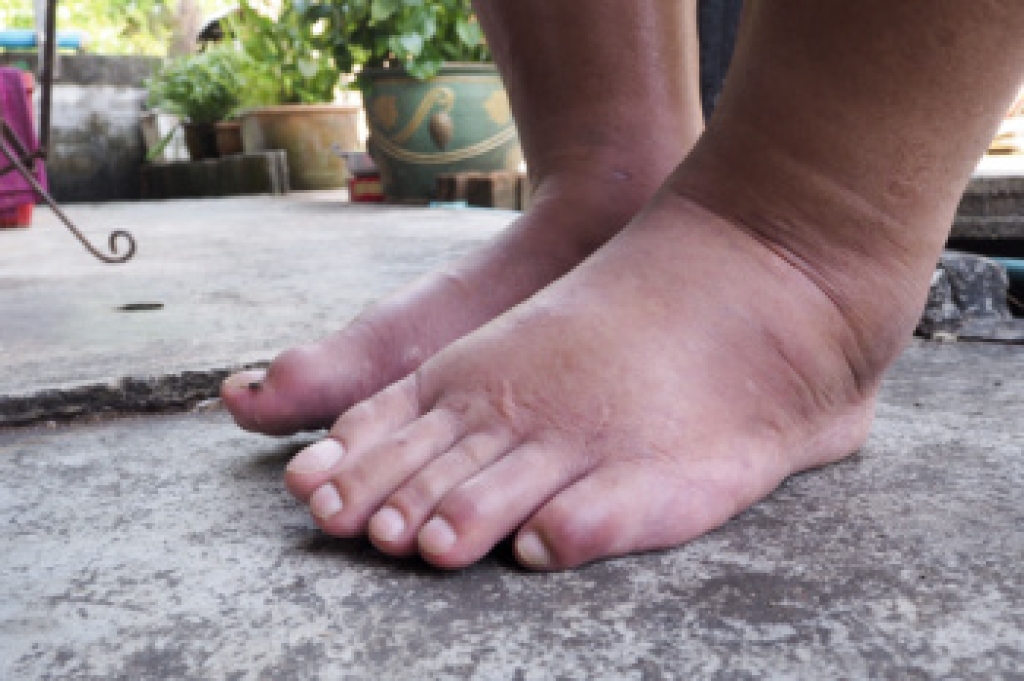
Swollen feet and ankles can result from various conditions, including circulatory problems, kidney disease, or injury. Fluid retention, or edema, often occurs when the body struggles to regulate fluid movement due to issues such as heart or liver disease. Venous insufficiency, a condition in which vein valves do not function properly, can cause blood to pool in the lower legs, leading to persistent foot and ankle swelling. Ankle sprains and other foot injuries frequently cause localized swelling due to soft tissue damage. Infections, including cellulitis, can also lead to swelling, particularly in people with diabetes who may have a higher risk of foot complications. A blood clot in a leg vein, also termed deep vein thrombosis, can result in swelling and requires immediate attention. A podiatrist can evaluate the cause of swelling, recommend appropriate treatment, and help manage symptoms to prevent complications. If you have unusual or painful swollen feet or ankles, it is suggested that you schedule an appointment with a podiatrist for an exam, diagnosis, and treatment options.
Swollen feet can be a sign of an underlying condition. If you have any concerns, contact Gary Saphire, DPM of Parkway Podiatry. Our doctor can provide the care you need to keep you pain-free and on your feet.
Swollen feet are a common ailment among pregnant women and people who stand or sit for extended periods. Aging may increase the possibility of swollen feet and patients who are obese often notice when their feet are swelling too. There may be medical reasons why swollen feet occur:
Phlebitis - A condition that causes the veins to become inflamed and can also cause leg pain.
Liver disease - This may lead to low blood levels of albumin which is a protein. This can cause fluid in the blood to pass into the tissues and several areas of the body can become swollen.
Heart failure - When the heart doesn’t pump properly the blood that is normally pumped back to the heart can pool in the veins of the legs causing swollen feet.
Kidney disease - One of the main functions of the kidneys is releasing excess fluid in the body. This type of condition can make it difficult for the kidneys to function properly, and as a result the feet may become swollen.
Deep-vein thrombosis (DVT)- This is a serious condition where blood clots form in the veins of the legs. They can block the return of blood from the legs to the heart which may cause the feet to swell. It is important to be treated by a podiatrist if this condition is present.
Swollen feet can also be caused by bone and tendon conditions, including fractures, arthritis, and tendinitis. Additionally, there may be skin and toenail conditions and an infection may cause the feet to swell. Patients who take medicine to treat high blood pressure may be prone to getting swollen feet.
Many patients elevate their feet to help relieve the swelling and this is generally a temporary remedy. When a podiatrist is consulted the reason behind the swelling can be uncovered and subsequently treated.
If you have any questions please contact our office located in Brooklyn, NY. We offer the newest diagnostic and treatment technologies for all your foot and ankle needs.
A diabetic foot wound refers to an open sore or infection that occurs on the feet of people with diabetes. This condition often arises due to poor circulation, nerve damage, and high blood sugar levels, which impair the body’s ability to heal. The main causes include prolonged pressure on a certain area, trauma, and infections that can occur unnoticed due to lack of sensation. Symptoms may include redness, swelling, pain, and foul-smelling discharge. If left untreated, these wounds can lead to serious complications, such as gangrene. Proper care for diabetic foot wounds involves cleaning the area gently, dressing it regularly, and monitoring for signs of infection. Controlling blood sugar levels and maintaining good hygiene are essential in preventing further complications. If you have diabetes, it is strongly suggested that you are under the care of a podiatrist who can treat such foot wounds, and help you to manage this serious condition.
Wound care is an important part in dealing with diabetes. If you have diabetes and a foot wound or would like more information about wound care for diabetics, consult with Gary Saphire, DPM from Parkway Podiatry. Our doctor will assess your condition and provide you with quality foot and ankle treatment.
What Is Wound Care?
Wound care is the practice of taking proper care of a wound. This can range from the smallest to the largest of wounds. While everyone can benefit from proper wound care, it is much more important for diabetics. Diabetics often suffer from poor blood circulation which causes wounds to heal much slower than they would in a non-diabetic.
What Is the Importance of Wound Care?
While it may not seem apparent with small ulcers on the foot, for diabetics, any size ulcer can become infected. Diabetics often also suffer from neuropathy, or nerve loss. This means they might not even feel when they have an ulcer on their foot. If the wound becomes severely infected, amputation may be necessary. Therefore, it is of the upmost importance to properly care for any and all foot wounds.
How to Care for Wounds
The best way to care for foot wounds is to prevent them. For diabetics, this means daily inspections of the feet for any signs of abnormalities or ulcers. It is also recommended to see a podiatrist several times a year for a foot inspection. If you do have an ulcer, run the wound under water to clear dirt from the wound; then apply antibiotic ointment to the wound and cover with a bandage. Bandages should be changed daily and keeping pressure off the wound is smart. It is advised to see a podiatrist, who can keep an eye on it.
If you have any questions please contact our office located in Brooklyn, NY. We offer the newest diagnostic and treatment technologies for all your foot and ankle needs.