Like us on facebook
Follow us on twitter
review us on google

Reasons You Might Have Heel Pain

Heel pain can develop for many reasons, and identifying the source of the discomfort often helps guide care. Plantar fasciitis typically causes sharp pain on the bottom of the heel when stepping out of bed, while Achilles tendonitis leads to tightening or burning at the back of the heel. Bursitis can create a deep ache where soft tissue becomes irritated near the heel bone, and a heel spur may cause sharp pain during weight-bearing. Stress fractures of the heel bone cause swelling and tenderness that worsen with activity, and fat pad atrophy leads to a bruised feeling under the heel. Children may experience Sever’s disease, which causes pain at the back of the heel during running and jumping. A podiatrist can identify the reason for the pain, decide whether imaging or surgery is needed, and offer treatment like orthotics, when appropriate. If you have persistent or unexplained heel pain, it is suggested that you schedule an appointment with a podiatrist for a diagnosis and options for treatment.

Many people suffer from bouts of heel pain. For more information, contact Gary Saphire, DPM of Parkway Podiatry. Our doctor can provide the care you need to keep you pain-free and on your feet.

Causes of Heel Pain

Heel pain is often associated with plantar fasciitis. The plantar fascia is a band of tissues that extends along the bottom of the foot. A rip or tear in this ligament can cause inflammation of the tissue.

Achilles tendonitis is another cause of heel pain. Inflammation of the Achilles tendon will cause pain from fractures and muscle tearing. Lack of flexibility is also another symptom.

Heel spurs are another cause of pain. When the tissues of the plantar fascia undergo a great deal of stress, it can lead to ligament separation from the heel bone, causing heel spurs.

Why Might Heel Pain Occur?

  • Wearing ill-fitting shoes                
  • Wearing non-supportive shoes
  • Weight change           
  • Excessive running

Treatments

Heel pain should be treated as soon as possible for immediate results. Keeping your feet in a stress-free environment will help. If you suffer from Achilles tendonitis or plantar fasciitis, applying ice will reduce the swelling. Stretching before an exercise like running will help the muscles. Using all these tips will help make heel pain a condition of the past.

If you have any questions, please feel free to contact our office located in Brooklyn, NY . We offer the newest diagnostic and treatment technologies for all your foot care needs.

Read more about Heel Pain

The Importance of Standing During the Work Day

A sedentary lifestyle may be linked to numerous health issues, including diabetes and high blood pressure.  For these individuals, it may be necessary to increase the amount of time standing during the day. This may be helpful in easing potential back problems as well as improving posture and strength.  There are many ways to incorporate standing throughout the work day, such as portioning your lunch time to include walking.  Meetings that consist of walking instead of sitting around a table may be beneficial as well. Standing desks may be another option, which can help increase alertness and therefore increase productivity.  Another helpful habit to acquire is using the stairs instead of an elevator, in addition to parking your car further away from the building you are entering to promote walking. If you are experiencing foot problems from sitting all day at work, it is suggested that you make an appointment with a podiatrist.

While working on the feet, it is important to take the proper care of them. For more information about working on your feet, contact Gary Saphire, DPM from Parkway Podiatry. Our doctor will treat your foot and ankle needs.

Working on Your Feet

Standing on your feet for long periods of time can cause stress and pain in your feet. Your whole body may experience change in terms of posture, back pain, bunions, callouses and or plantar warts. There are ways to avoid these conditions with proper foot care, smart choices and correct posture.

Positive Changes

Negative heeled shoe – Choosing this shoe type places the heel slightly lower than the ball of the foot. These are great for overall foot health. Find shoes that fit you correctly.

Go barefoot – Our feet were not designed to be enclosed for all hours of the day. Try to periodically expose your feet to air.

Eliminate Pain

Foot Exercises – Performing simple exercises, incorporating yoga and doing stretches are beneficial. This will allow increased blood flow to the area and muscles of the foot.

Achilles tendon – Stretching the foot out flat on the floor will relax the calf muscles and tendon. These exercises can be performed almost anywhere. Make sure you add these exercises to your daily regimen. 

With a little bit of this information and knowing more about foot health, you will notice changes. Foot stretches and proper footwear will help with pain and prevent further issues.

If you have any questions please contact our office located in Brooklyn, NY . We offer the newest diagnostic and treatment technologies for all your foot and ankle needs.

Read more about Working on Your Feet

Risk Factors for Toenail Fungus

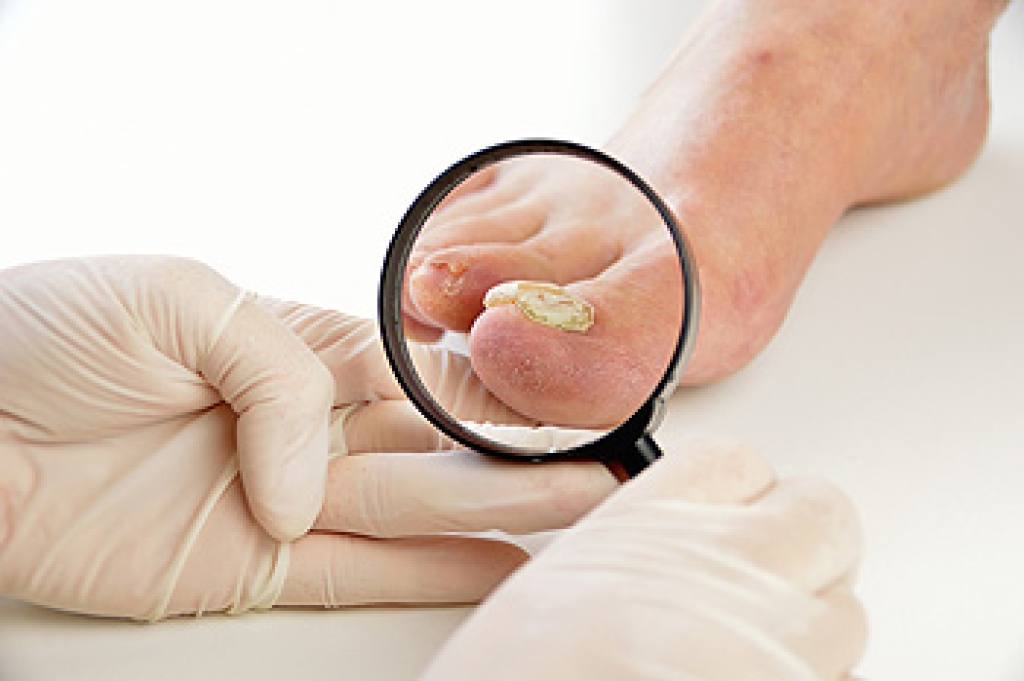
Toenail fungus develops when fungi enter the nail through small openings in the skin, and certain factors increase the risk of this happening. Tight shoes that place ongoing pressure on the toenails and walking barefoot in warm, damp areas like pools or locker rooms increase exposure to fungal organisms. Repeated nail damage from sports or rubbing inside shoes also creates openings where fungus can grow. People with circulation problems in the feet, including long-term vascular issues, have a higher risk because the body has a harder time fighting infections in the toes. Constant moisture around the toenails, artificial nails on the toes, and skin conditions that affect the nail surface can also increase vulnerability. A podiatrist can assess nail discoloration, thickening, or shape changes and provide the appropriate treatment, including surgery when needed. If you have toenails that have changed in appearance, it is suggested that you make an appointment with a podiatrist for a diagnosis and treatment.

If left untreated, toenail fungus may spread to other toenails, skin, or even fingernails. If you suspect you have toenail fungus it is important to seek treatment right away. For more information about treatment, contact Gary Saphire, DPM of Parkway Podiatry. Our doctor can provide the care you need to keep you pain-free and on your feet.

Symptoms

  • Warped or oddly shaped nails
  • Yellowish nails
  • Loose/separated nail
  • Buildup of bits and pieces of nail fragments under the nail
  • Brittle, broken, thickened nail

Treatment

If self-care strategies and over-the-counter medications does not help your fungus, your podiatrist may give you a prescription drug instead. Even if you find relief from your toenail fungus symptoms, you may experience a repeat infection in the future.

Prevention

In order to prevent getting toenail fungus in the future, you should always make sure to wash your feet with soap and water. After washing, it is important to dry your feet thoroughly especially in between the toes. When trimming your toenails, be sure to trim straight across instead of in a rounded shape. It is crucial not to cover up discolored nails with nail polish because that will prevent your nail from being able to “breathe”.

In some cases, surgical procedure may be needed to remove the toenail fungus. Consult with your podiatrist about the best treatment options for your case of toenail fungus.  

If you have any questions please contact our office located in Brooklyn, NY . We offer the newest diagnostic and treatment technologies for all your foot and ankle needs.

Read more about Toenail Fungus

Plantar Warts Can Be Treated!

Plantar warts are small growths that develop on parts of the feet that bear weight. They're typically found on the bottom of the foot. Don't live with plantar warts, and call us today!

Healing Cracked Heels and Fissures for Healthy Feet

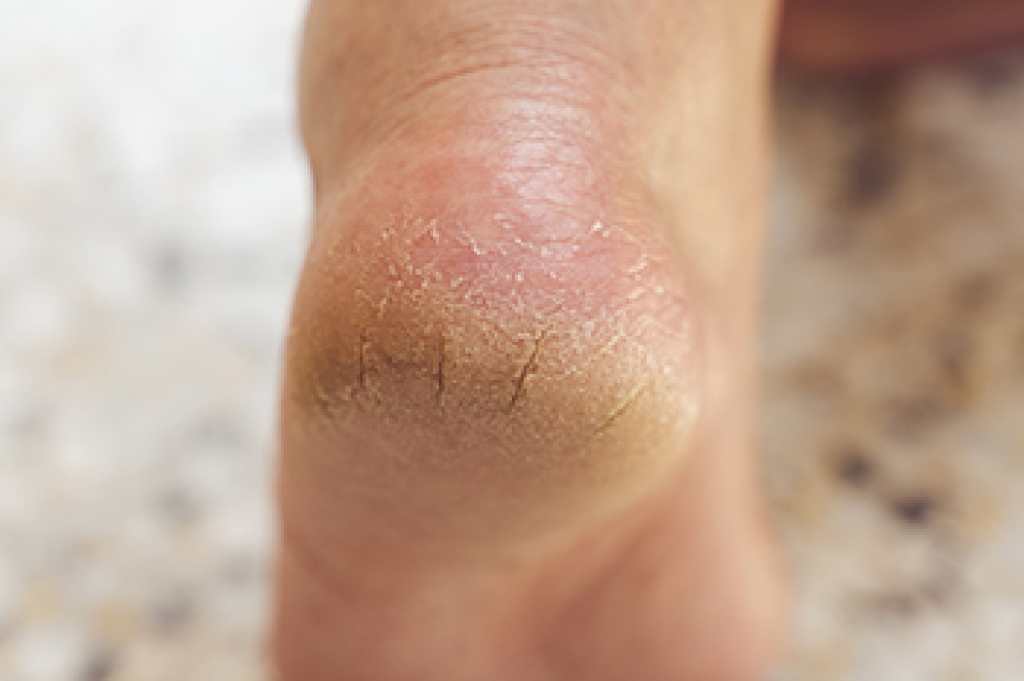
Cracked heels, also known as heel fissures, occur when the skin on the heels becomes dry, thickened, and splits, often caused by obesity, excessive pressure, or underlying conditions like eczema. The heels may look rough, dry, and sometimes develop deep cracks, or fissures. In severe cases, bleeding or infection can set in. Many individuals experience pain, burning, or itching, especially when walking or standing for extended periods. In some cases, heel fissures can worsen during dry seasons or with frequent exposure to open footwear, increasing the risk of discomfort and infection. A podiatrist can assess the severity of the heel fissures, examine the skin condition, and recommend treatments. Included are professional debridement, moisturizing therapies, protective dressings, and guidance on footwear or pressure relief techniques. Early intervention promotes healing, reduces pain, and prevents complications. If you notice persistent dryness, cracking, or discomfort in your heels, it is suggested that you make an appointment with a podiatrist.

Cracked heels are unsightly and can cause further damage to your shoes and feet. If you have any concerns, contact Gary Saphire, DPM from Parkway Podiatry. Our doctor can provide the care you need to keep you pain-free and on your feet.

Cracked Heels

Cracked heels appear unappealing and can make it harder for you walk around in sandals. Aside from looking unpleasant, cracked heels can also tear stockings, socks, and wear out your shoes. There are several methods to help restore a cracked heel and prevent further damage.

How Do You Get Them?

Dry skin is the number one culprit in creating cracked heels. Many athletes, walkers, joggers, and even swimmers suffer from cracked heels. Age and skin oil production play a role to getting cracked heels as well.

Promote Healing

Over the counter medicines can help, especially for those that need instant relief or who suffer from chronic dry feet.

Wear Socks – Wearing socks with medicated creams helps lock in moisture.

Moisturizers – Applying both day and night will help alleviate dryness which causes cracking.

Pumice Stones – These exfoliate and remove dead skin, which allows for smoother moisturizer application and better absorption into the skin. 

Change in Diet

Eating healthy with a well-balanced diet will give the skin a fresh and radiant look. Your body responds to the kinds of food you ingest. Omega-3 fatty acids and zinc supplements can also revitalize skin tissue.

Most importantly, seek professional help if unsure how to proceed in treating cracked heels. A podiatrist will help you with any questions or information needed. 

If you have any questions, please feel free to contact our office located in Brooklyn, NY . We offer the newest diagnostic and treatment technologies for all your foot care needs.

Read more about Solutions for Cracked Heels
scroll to top