Like us on facebook
Follow us on twitter
review us on google

Children’s Sports Injuries

Concerns exist regarding the impact of a sedentary lifestyle on children, but there are also issues related to sports injuries in children participating in organized sports, which often involve intensive training from a young age. This trend is driven by the belief that early training is essential for future success, leading to a younger demographic in sporting activities such as tennis, swimming, and gymnastics. Specialized training at a young age increases the risk of both acute and overuse injuries, with boys, especially during growth spurts, being more susceptible. Factors like physical attributes and playing conditions play a significant role in these injuries, which can range from ligamentous and meniscal injuries to fractures during peak growth periods. Stress fractures, although rare, are noteworthy in young athletes. The long-term consequences of overuse injuries remain a concern. While accidents are more common outside sports settings, the potential long-term impact of overuse injuries in sports such as gymnastics and soccer is an area of concern. If your child is involved in organized sports, it is suggested to consult a podiatrist to discuss preventive measures and address any foot and ankle issues that may arise from sports participation.

Making sure that your children maintain good foot health is very important as they grow. If you have any questions, contact Gary Saphire, DPM of Parkway Podiatry. Our doctor can provide the care you need to keep you pain-free and on your feet.

Keeping Children's Feet Healthy

Having healthy feet during childhood can help prevent medical problems later in life, namely in the back and legs. As children grow, their feet require different types of care. Here are some things to consider...

Although babies do not walk yet, it is still very important to take care of their feet.

Avoid putting tight shoes or socks on his or her feet.

Allow the baby to stretch and kick his or her feet to feel comfortable.

As a toddler, kids are now on the move and begin to develop differently. At this age, toddlers are getting a feel for walking, so don’t be alarmed if your toddler is unsteady or ‘walks funny’. 

As your child gets older, it is important to teach them how to take care of their feet.

Show them proper hygiene to prevent infections such as fungus.

Be watchful for any pain or injury.

Have all injuries checked by a doctor as soon as possible.

Comfortable, protective shoes should always be worn, especially at play.

If you have any questions, please feel free to contact our office located in Brooklyn, NY . We offer the newest diagnostic and treatment technologies for all your foot care needs.
Read more about What to Do to Keep Your Child’s Feet Healthy

Common Symptoms of a Broken Ankle

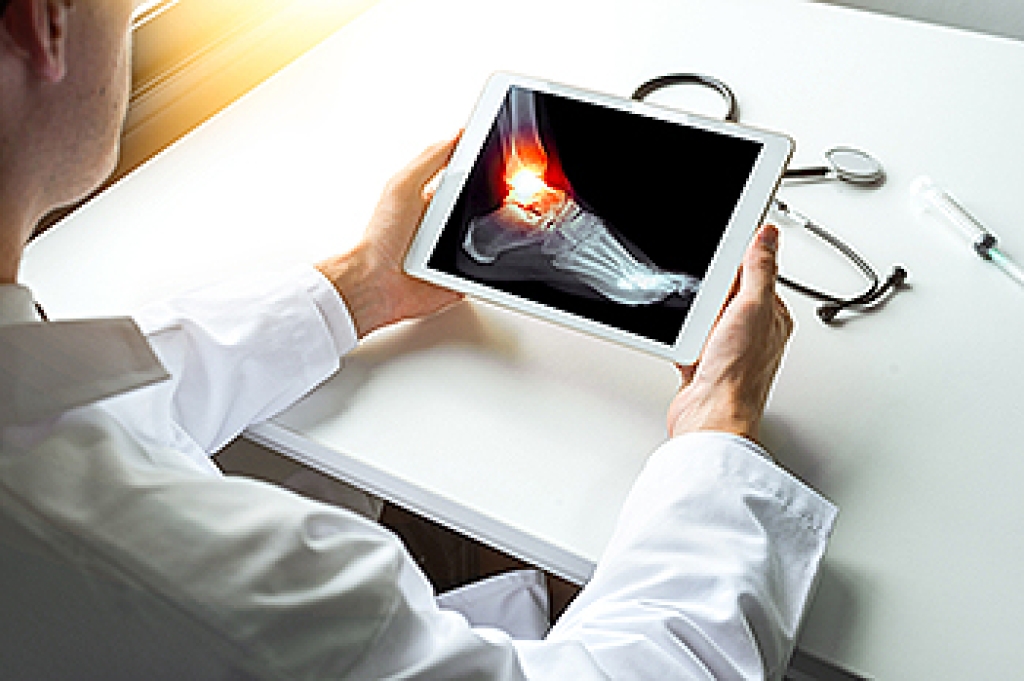
A broken ankle can swiftly transform routine movements into moments of intense pain and disruption. This injury typically occurs when the ankle joint endures excessive force, often from a sudden twist, fall, or impact. The causes are diverse, ranging from sports related injuries to accidental slips or missteps. The severity of a broken ankle varies, with fractures manifesting in the bones surrounding the ankle joint. Symptoms, unmistakable in their intensity, include immediate pain, swelling, and difficulty bearing weight on the affected foot. Bruising may also develop, accompanied by a noticeable deformity or misalignment of the ankle. The sharp, shooting pain and the inability to move the ankle freely are indicative signs that warrant prompt medical attention. If you have broken your ankle, it is strongly suggested that you consult a podiatrist as quickly as possible who can properly diagnose and treat this type of fracture.

Broken ankles need immediate treatment. If you are seeking treatment, contact Gary Saphire, DPM from Parkway Podiatry. Our doctor can provide the care you need to keep you pain-free and on your feet. 

Broken Ankles
A broken ankle is experienced when a person fractures their tibia or fibula in the lower leg and ankle area. Both of these bones are attached at the bottom of the leg and combine to form what we know to be our ankle.

When a physician is referring to a break of the ankle, he or she is usually referring to a break in the area where the tibia and fibula are joined to create our ankle joint. Ankles are more prone to fractures because the ankle is an area that suffers a lot of pressure and stress. There are some obvious signs when a person experiences a fractured ankle, and the following symptoms may be present.

Symptoms of a Fractured Ankle

  • Excessive pain when the area is touched or when any pressure is placed on the ankle
  • Swelling around the area
  • Bruising of the area
  • Area appears to be deformed

If you suspect an ankle fracture, it is recommended to seek treatment as soon as possible. The sooner you have your podiatrist diagnose the fracture, the quicker you’ll be on the way towards recovery.

If you have any questions, please feel free to contact our office located in Brooklyn, NY . We offer the newest diagnostic and treatment technologies for all your foot care needs.

Read more about All About Broken Ankles

Are You Suffering From Nerve Damage?

Neuropathy is a condition that can lead to numbness or loss of sensation in the feet, but it can also cause pain. This condition is more likely to develop for those who are diabetic, obese, or with high blood pressure.

Hammertoe in Children

Hammertoe, or curly toe in children is a deformity where the toe bends downward at the middle joint, resembling a hammer. It is often congenital, meaning children are born with it. Hammertoe may be flexible initially but can become fixed over time. It can occur due to an imbalance in the muscles, tendons, or ligaments that normally hold the toe straight. Wearing tight footwear and genetics can also contribute to the development of hammertoe. While it may not always cause discomfort, it can lead to issues like irritation or difficulty in fitting into shoes. If your child has hammertoe, it is suggested that you make an appointment with a podiatrist for a proper diagnosis and appropriate treatment based on its severity.

Hammertoe

Hammertoes can be a painful condition to live with. For more information, contact Gary Saphire, DPM from Parkway Podiatry. Our doctor will answer any of your foot- and ankle-related questions.

Hammertoe is a foot deformity that affects the joints of the second, third, fourth, or fifth toes of your feet. It is a painful foot condition in which these toes curl and arch up, which can often lead to pain when wearing footwear.

Symptoms

  • Pain in the affected toes
  • Development of corns or calluses due to friction
  • Inflammation
  • Redness
  • Contracture of the toes

Causes

Genetics – People who are genetically predisposed to hammertoe are often more susceptible

Arthritis – Because arthritis affects the joints in your toes, further deformities stemming from arthritis can occur

Trauma – Direct trauma to the toes could potentially lead to hammertoe

Ill-fitting shoes – Undue pressure on the front of the toes from ill-fitting shoes can potentially lead to the development of hammertoe

Treatment

Orthotics – Custom made inserts can be used to help relieve pressure placed on the toes and therefore relieve some of the pain associated with it

Medications – Oral medications such as anti-inflammatories or NSAIDs could be used to treat the pain and inflammation hammertoes causes. Injections of corticosteroids are also sometimes used

Surgery – In more severe cases where the hammertoes have become more rigid, foot surgery is a potential option

If you have any questions, please feel free to contact our office located in Brooklyn, NY . We offer the newest diagnostic and treatment technologies for all your foot care needs.

Read more about What Are Hammertoes?

Understanding Arthritis-Induced Toe Pain

Arthritis, a condition characterized by inflammation and stiffness of the joints, can affect various parts of the body, including the toes. When arthritis strikes the toes, it can lead to persistent and often debilitating pain. The most common forms of arthritis that affect the toes are osteoarthritis and rheumatoid arthritis. Osteoarthritis, often associated with aging and wear and tear, causes the cartilage in the toe joints to break down, resulting in pain, swelling, and reduced mobility. Conversely, rheumatoid arthritis is an autoimmune disease that attacks the joints, leading to inflammation, pain, and deformities in the toes. This type of toe pain can be particularly challenging, as we rely on our toes for balance and mobility. It can affect daily activities such as walking, standing, and even wearing shoes comfortably. Understanding the nature of this pain is the first step toward finding relief and maintaining a good quality of life. If you have toe pain, it is strongly suggested that you are under the care of a podiatrist who can diagnose toe arthritis, and offer appropriate management options.

Toe pain can disrupt your daily activities. If you have any concerns, contact Gary Saphire, DPM of Parkway Podiatry. Our doctor can provide the care you need to keep you pain-free and on your feet.

What Causes Toe Pain?

Most severe toe pain is caused due to a sports injury, trauma from dropping something heavy on the toe, or bumping into something rigid. Other problems can develop over time for various reasons.

Toe pain can be caused by one or more ailments. The most common include:

  • Trauma
  • Sports injury
  • Wearing shoes that are too tight
  • Arthritis
  • Gout
  • Corns and calluses
  • Hammertoe
  • Bunions
  • Blisters
  • Ingrown toenails
  • Sprains
  • Fractures (broken bones)
  • Dislocations

When to See a Podiatrist

  • Severe pain
  • Persistent pain that lasts more than a week
  • Signs of infection
  • Continued swelling
  • Pain that prevents walking

Diagnosis

In many cases the cause of toe pain is obvious, but in others, a podiatrist may want to use more advanced methods to determine the problem. These can range from simple visual inspections and sensation tests to X-rays and MRI scans. Prior medical history, family medical history, and any recent physical traumatic events will all be taken into consideration for a proper diagnosis.

Treatment

Treatments for toe pain and injuries vary and may include shoe inserts, padding, taping, medicines, injections, and in some cases, surgery. If you believe that you have broken a toe, please see a podiatrist as soon as possible.

If you have any questions please contact our office located in Brooklyn, NY . We offer the newest diagnostic and treatment technologies for all your foot and ankle needs.

Read more about Toe Pain

Unraveling the Mysteries Behind the Agony of Heel Pain

Heel pain is a common grievance that can impact people of all ages and lifestyles. To understand why it afflicts so many, it is essential to delve into its multifaceted causes. One of the primary culprits is plantar fasciitis, where the tissue connecting the heel to the toes becomes inflamed due to excessive strain, often stemming from prolonged standing, or from wearing improper footwear. Another common source of heel pain is Achilles tendonitis, an overuse injury affecting the tendon at the back of the heel, which can result from intense physical activities and inadequate rest. Heel spurs, small calcium deposits on the heel bone, can also trigger discomfort, often linked to conditions like plantar fasciitis. Additionally, various systemic diseases, such as arthritis, can manifest as heel pain. If you have heel pain for any reason, it is suggested that you visit a podiatrist who can determine what that cause is, and offer treatment options that are right for you.

Many people suffer from bouts of heel pain. For more information, contact Gary Saphire, DPM of Parkway Podiatry. Our doctor can provide the care you need to keep you pain-free and on your feet.

Causes of Heel Pain

Heel pain is often associated with plantar fasciitis. The plantar fascia is a band of tissues that extends along the bottom of the foot. A rip or tear in this ligament can cause inflammation of the tissue.

Achilles tendonitis is another cause of heel pain. Inflammation of the Achilles tendon will cause pain from fractures and muscle tearing. Lack of flexibility is also another symptom.

Heel spurs are another cause of pain. When the tissues of the plantar fascia undergo a great deal of stress, it can lead to ligament separation from the heel bone, causing heel spurs.

Why Might Heel Pain Occur?

  • Wearing ill-fitting shoes                
  • Wearing non-supportive shoes
  • Weight change           
  • Excessive running

Treatments

Heel pain should be treated as soon as possible for immediate results. Keeping your feet in a stress-free environment will help. If you suffer from Achilles tendonitis or plantar fasciitis, applying ice will reduce the swelling. Stretching before an exercise like running will help the muscles. Using all these tips will help make heel pain a condition of the past.

If you have any questions, please feel free to contact our office located in Brooklyn, NY . We offer the newest diagnostic and treatment technologies for all your foot care needs.

Read more about Heel Pain

Definition and Common Causes of Poor Circulation

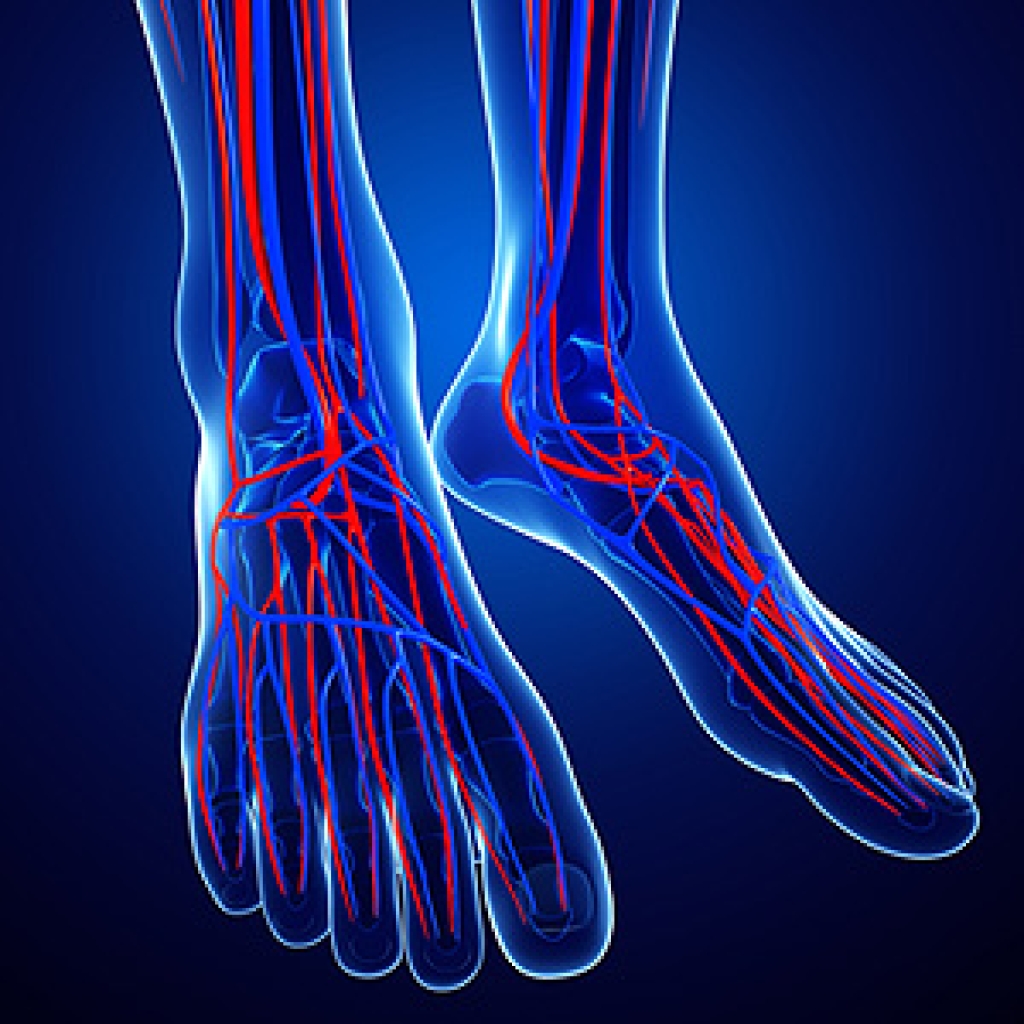
Poor circulation, a medical condition also known as circulatory insufficiency, refers to the inadequate flow of blood through the blood vessels, impairing the distribution of oxygen and nutrients to the body's cells and organs. The feet are often affected, leading to a variety of symptoms, including numbness, tingling, and muscle cramps. Several factors can contribute to poor circulation. Atherosclerosis, the buildup of plaque in arteries, narrows the blood vessels, reducing blood flow. Conditions such as diabetes can damage blood vessels and nerves, further impeding circulation. High blood pressure, obesity, and smoking are well-known risk factors that can harm blood vessels and hinder the circulatory system. In some cases, genetics can play a role, as a family history of circulatory issues may increase one's susceptibility. If your feet are cold for the majority of the day, it is suggested that you schedule an appointment with a podiatrist who can accurately diagnose poor circulation, and offer appropriate treatment methods.

Poor circulation is a serious condition and needs immediate medical attention. If you have any concerns with poor circulation in your feet contact Gary Saphire, DPM of Parkway Podiatry. Our doctor will treat your foot and ankle needs.

Poor Circulation in the Feet

Poor blood circulation in the feet and legs is can be caused by peripheral artery disease (PAD), which is the result of a buildup of plaque in the arteries.

Plaque buildup or atherosclerosis results from excess calcium and cholesterol in the bloodstream. This can restrict the amount of blood which can flow through the arteries. Poor blood circulation in the feet and legs are sometimes caused by inflammation in the blood vessels, known as vasculitis.

Causes

Lack of oxygen and oxygen from poor blood circulation restricts muscle growth and development. It can also cause:

  • Muscle pain, stiffness, or weakness 
  • Numbness or cramping in the legs
  • Skin discoloration
  • Slower nail & hair growth
  • Erectile dysfunction

Those who have diabetes or smoke are at greatest risk for poor circulation, as are those who are over 50. If you have poor circulation in the feet and legs it may be caused by PAD and is important to make changes to your lifestyle in order to reduce risk of getting a heart attack or stroke. Exercise and maintaining a healthy lifestyle will dramatically improve conditions.

As always, see a podiatrist as he or she will assist in finding a regimen that suits you. A podiatrist can also prescribe you any needed medication. 

If you have any questions, please feel free to contact our office located in Brooklyn, NY . We offer the newest diagnostic and treatment technologies for all your foot care needs.
Read more about Causes, Symptoms, and Treatment of Poor Blood Circulation in the Feet

The Intricate Relationship Between Gout and Kidney Disease

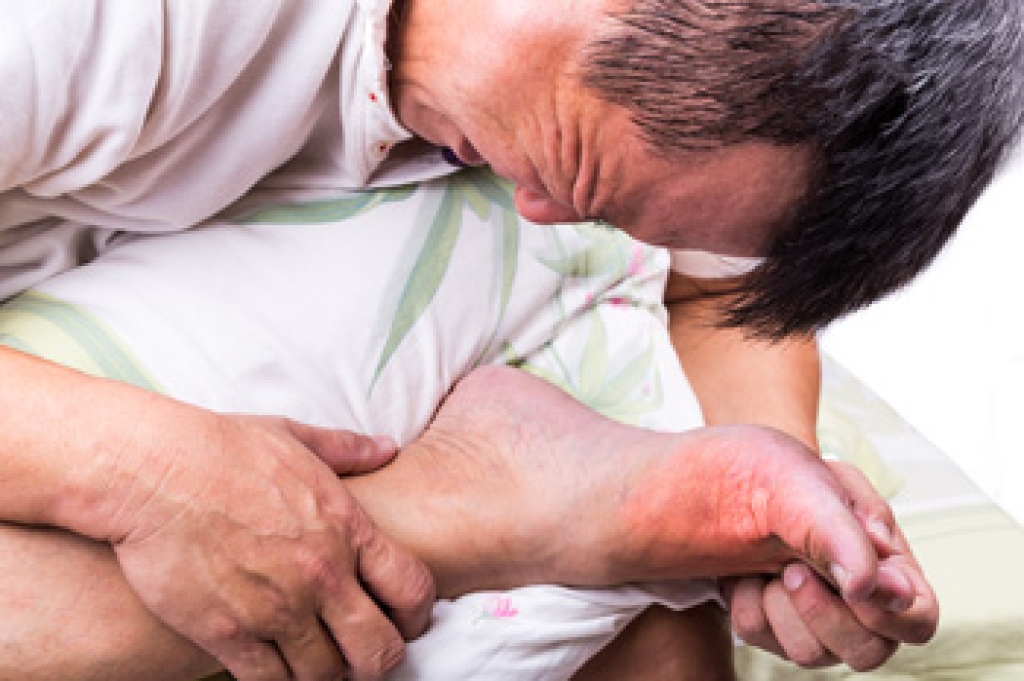
Gout, a form of arthritis, and kidney disease share a complex interconnection that significantly impacts an individual's health. Gout is characterized by the accumulation of uric acid crystals in joints, causing intense pain and inflammation, commonly beginning in the big toe. This can temporarily cause the inability to walk, and medical attention from a podiatrist is often sought. Interestingly, uric acid is primarily filtered and excreted through the kidneys. In individuals with gout, high levels of uric acid can strain the kidneys, potentially leading to kidney stones or reduced kidney function. Conversely, pre-existing kidney issues can hinder the efficient elimination of uric acid, contributing to elevated levels in the bloodstream and subsequent gout attacks. Furthermore, medications commonly prescribed for gout can impact renal function, posing challenges for those already grappling with kidney disease. Understanding and managing this intricate relationship between gout and kidney disease is crucial for comprehensive treatment strategies that address both conditions and enhance overall well-being. If you have developed gout, it is strongly suggested that you are under the care of a podiatrist who can help you manage this condition.

Gout is a foot condition that requires certain treatment and care. If you are seeking treatment, contact Gary Saphire, DPM from Parkway Podiatry. Our doctor will treat your foot and ankle needs.

What Is Gout?

Gout is a type of arthritis caused by a buildup of uric acid in the bloodstream. It often develops in the foot, especially the big toe area, although it can manifest in other parts of the body as well. Gout can make walking and standing very painful and is especially common in diabetics and the obese.

People typically get gout because of a poor diet. Genetic predisposition is also a factor. The children of parents who have had gout frequently have a chance of developing it themselves.

Gout can easily be identified by redness and inflammation of the big toe and the surrounding areas of the foot. Other symptoms include extreme fatigue, joint pain, and running high fevers. Sometimes corticosteroid drugs can be prescribed to treat gout, but the best way to combat this disease is to get more exercise and eat a better diet.

If you have any questions, please feel free to contact our office located in Brooklyn, NY . We offer the newest diagnostic and treatment technologies for all your foot care needs.
Read more about Gout

Causes and Effective Treatments for Foot Blisters

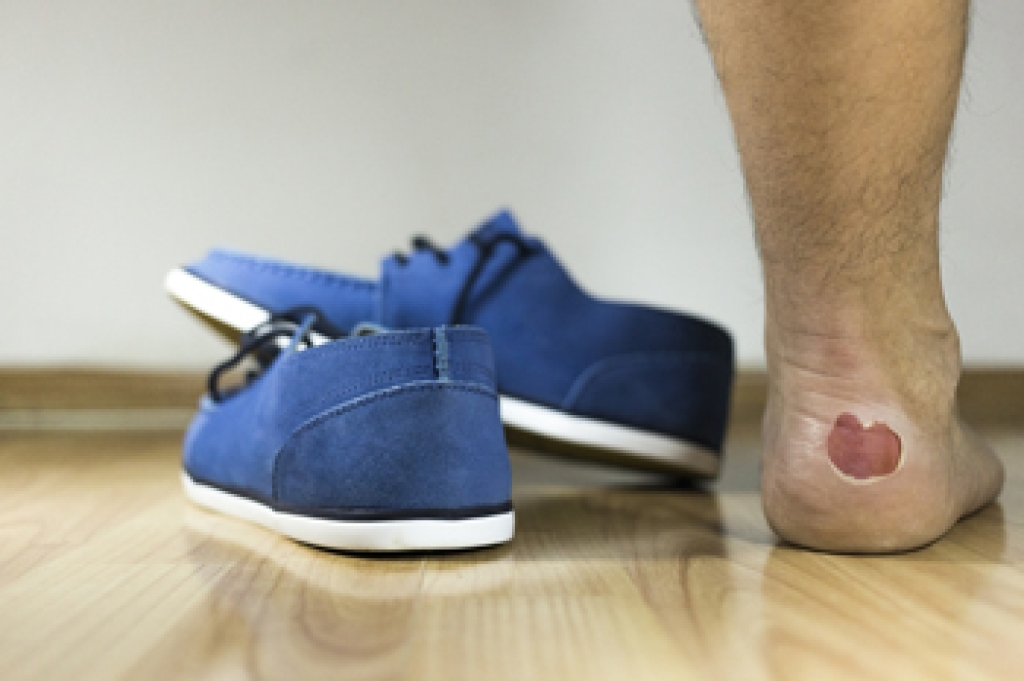
Foot blisters are a common issue, particularly among athletes and active individuals. These fluid-filled sacs typically form due to friction and pressure, often caused by ill-fitting shoes or repetitive movements. Moisture and heat can exacerbate the problem, making the feet more susceptible to blisters. When it comes to treatment, the first step is to keep the area clean to prevent infection. Refrain from popping the blister, as the fluid acts as a natural barrier that promotes healing. Cover the blister with a sterile bandage or moleskin to reduce friction. If the blister does burst, clean it gently with soap and water, apply an antibiotic ointment, and cover it. Wearing well-fitting, moisture-wicking socks and properly-sized shoes can help prevent future blisters. Using blister pads or bandages on areas prone to friction can also reduce the risk. Ultimately, taking steps to minimize friction and maintaining good foot hygiene can go a long way in preventing and treating foot blisters effectively. If you have discomfort from foot blisters, it is suggested that you make an appointment with a podiatrist for care.

Blisters may appear as a single bubble or in a cluster. They can cause a lot of pain and may be filled with pus, blood, or watery serum. If your feet are hurting, contact Gary Saphire, DPM of Parkway Podiatry. Our doctor can provide the care you need to keep you pain-free and on your feet.

Foot Blisters

Foot blisters are often the result of friction. This happens due to the constant rubbing from shoes, which can lead to pain.

What Are Foot Blisters?

A foot blister is a small fluid-filled pocket that forms on the upper-most layer of the skin. Blisters are filled with clear fluid and can lead to blood drainage or pus if the area becomes infected.

Symptoms

(Blister symptoms may vary depending on what is causing them)

  • Bubble of skin filled with fluid
  • Redness
  • Moderate to severe pain
  • Itching

Prevention & Treatment

In order to prevent blisters, you should be sure to wear comfortable shoes with socks that cushion your feet and absorb sweat. Breaking a blister open may increase your chances of developing an infection. However, if your blister breaks, you should wash the area with soap and water immediately and then apply a bandage to the affected area. If your blisters cause severe pain it is important that you call your podiatrist right away.

If you have any questions, please feel free to contact our office located in Brooklyn, NY . We offer the newest diagnostic and treatment technologies for all your foot care needs.

Read more about Blisters
scroll to top