
Like us on facebook
Follow us on twitter
review us on google

Risk Factors for Toenail Fungus

Toenail fungus develops when fungi enter the nail through small openings in the skin, and certain factors increase the risk of this happening. Tight shoes that place ongoing pressure on the toenails and walking barefoot in warm, damp areas like pools or locker rooms increase exposure to fungal organisms. Repeated nail damage from sports or rubbing inside shoes also creates openings where fungus can grow. People with circulation problems in the feet, including long-term vascular issues, have a higher risk because the body has a harder time fighting infections in the toes. Constant moisture around the toenails, artificial nails on the toes, and skin conditions that affect the nail surface can also increase vulnerability. A podiatrist can assess nail discoloration, thickening, or shape changes and provide the appropriate treatment, including surgery when needed. If you have toenails that have changed in appearance, it is suggested that you make an appointment with a podiatrist for a diagnosis and treatment.

If left untreated, toenail fungus may spread to other toenails, skin, or even fingernails. If you suspect you have toenail fungus it is important to seek treatment right away. For more information about treatment, contact Gary Saphire, DPM of Parkway Podiatry. Our doctor can provide the care you need to keep you pain-free and on your feet.

Symptoms

  • Warped or oddly shaped nails
  • Yellowish nails
  • Loose/separated nail
  • Buildup of bits and pieces of nail fragments under the nail
  • Brittle, broken, thickened nail

Treatment

If self-care strategies and over-the-counter medications does not help your fungus, your podiatrist may give you a prescription drug instead. Even if you find relief from your toenail fungus symptoms, you may experience a repeat infection in the future.

Prevention

In order to prevent getting toenail fungus in the future, you should always make sure to wash your feet with soap and water. After washing, it is important to dry your feet thoroughly especially in between the toes. When trimming your toenails, be sure to trim straight across instead of in a rounded shape. It is crucial not to cover up discolored nails with nail polish because that will prevent your nail from being able to “breathe”.

In some cases, surgical procedure may be needed to remove the toenail fungus. Consult with your podiatrist about the best treatment options for your case of toenail fungus.  

If you have any questions please contact our office located in Brooklyn, NY . We offer the newest diagnostic and treatment technologies for all your foot and ankle needs.

Read more about Toenail Fungus

Plantar Warts Can Be Treated!

Plantar warts are small growths that develop on parts of the feet that bear weight. They're typically found on the bottom of the foot. Don't live with plantar warts, and call us today!

Healing Cracked Heels and Fissures for Healthy Feet

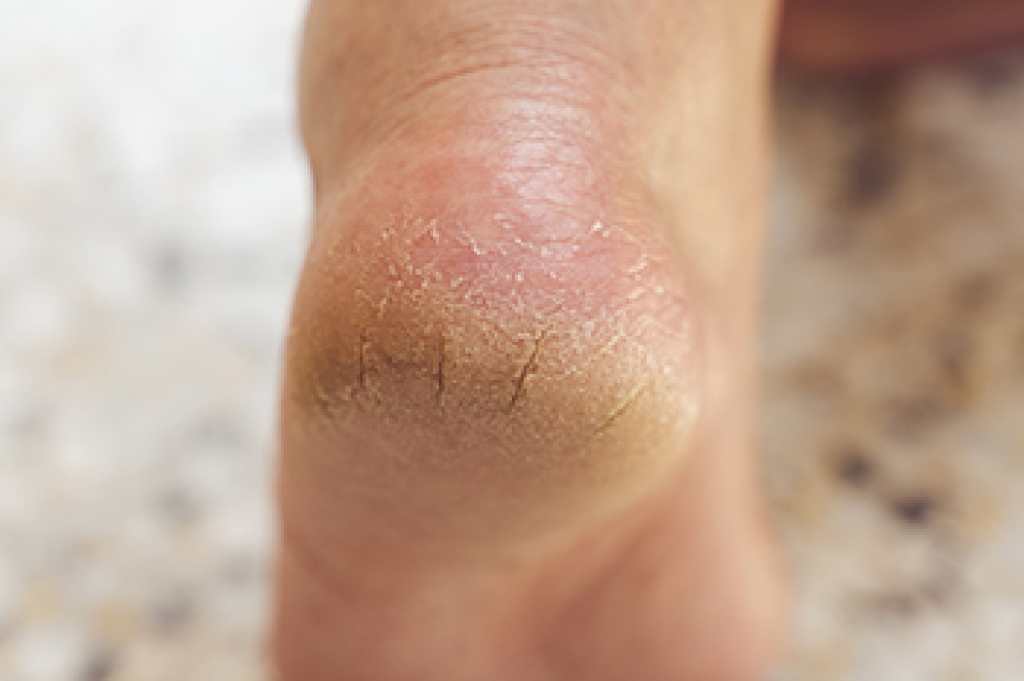
Cracked heels, also known as heel fissures, occur when the skin on the heels becomes dry, thickened, and splits, often caused by obesity, excessive pressure, or underlying conditions like eczema. The heels may look rough, dry, and sometimes develop deep cracks, or fissures. In severe cases, bleeding or infection can set in. Many individuals experience pain, burning, or itching, especially when walking or standing for extended periods. In some cases, heel fissures can worsen during dry seasons or with frequent exposure to open footwear, increasing the risk of discomfort and infection. A podiatrist can assess the severity of the heel fissures, examine the skin condition, and recommend treatments. Included are professional debridement, moisturizing therapies, protective dressings, and guidance on footwear or pressure relief techniques. Early intervention promotes healing, reduces pain, and prevents complications. If you notice persistent dryness, cracking, or discomfort in your heels, it is suggested that you make an appointment with a podiatrist.

Cracked heels are unsightly and can cause further damage to your shoes and feet. If you have any concerns, contact Gary Saphire, DPM from Parkway Podiatry. Our doctor can provide the care you need to keep you pain-free and on your feet.

Cracked Heels

Cracked heels appear unappealing and can make it harder for you walk around in sandals. Aside from looking unpleasant, cracked heels can also tear stockings, socks, and wear out your shoes. There are several methods to help restore a cracked heel and prevent further damage.

How Do You Get Them?

Dry skin is the number one culprit in creating cracked heels. Many athletes, walkers, joggers, and even swimmers suffer from cracked heels. Age and skin oil production play a role to getting cracked heels as well.

Promote Healing

Over the counter medicines can help, especially for those that need instant relief or who suffer from chronic dry feet.

Wear Socks – Wearing socks with medicated creams helps lock in moisture.

Moisturizers – Applying both day and night will help alleviate dryness which causes cracking.

Pumice Stones – These exfoliate and remove dead skin, which allows for smoother moisturizer application and better absorption into the skin. 

Change in Diet

Eating healthy with a well-balanced diet will give the skin a fresh and radiant look. Your body responds to the kinds of food you ingest. Omega-3 fatty acids and zinc supplements can also revitalize skin tissue.

Most importantly, seek professional help if unsure how to proceed in treating cracked heels. A podiatrist will help you with any questions or information needed. 

If you have any questions, please feel free to contact our office located in Brooklyn, NY . We offer the newest diagnostic and treatment technologies for all your foot care needs.

Read more about Solutions for Cracked Heels

Why Strengthening the Plantar Flexors Matters for Active Feet

Exercising the feet is essential for anyone who wants to move with power and stability. The plantar flexors, located in the calves and ankles, play a major role in pushing the body forward. These muscles help you sprint with speed, cut quickly during sports, and jump with greater force. When the plantar flexors are strong and flexible, they improve balance, reduce fatigue, and protect the feet and ankles from injury. Weakness in this area can limit performance and increase strain on surrounding joints. A podiatrist can assess your foot mechanics, identify muscle imbalances, and recommend targeted strengthening exercises tailored to your activity level. If you want to improve strength, agility, and overall foot health, it is suggested that you schedule a visit with a podiatrist to learn how focused training can support your goals.

Exercising your feet regularly with the proper foot wear is a great way to prevent injuries and build strength. If you have any concerns about your feet, contact Gary Saphire, DPM from Parkway Podiatry. Our doctor can provide the care you need to keep you pain-free and on your feet.

Exercise for Your Feet

Exercise for your feet can help you gain strength, mobility and flexibility in your feet. They say that strengthening your feet can be just as rewarding as strengthening another part of the body. Your feet are very important, and we often forget about them in our daily tasks. But it is because of our feet that are we able to get going and do what we need to. For those of us fortunate enough to not have any foot problems, it is an important gesture to take care of them to ensure good health in the long run.

Some foot health exercises can include ankle pumps, tip-toeing, toe rises, lifting off the floor doing reps and sets, and flexing the toes. It is best to speak with Our doctor to determine an appropriate regimen for your needs. Everyone’s needs and bodies are different, and the activities required to maintain strength in the feet vary from individual to individual. 

Once you get into a routine of doing regular exercise, you may notice a difference in your feet and how strong they may become.

If you have any questions, please feel free to contact our office located in Brooklyn, NY . We offer the newest diagnostic and treatment technologies for all your foot care needs.

Read more about Exercise for Your Feet

Facts About Lumps on the Side of the Foot

A lump on the side of the foot can develop from several causes related to foot structure, fluid buildup, inflammation, or benign growths. Structural issues such as bone prominence or joint misalignment may create noticeable bumps, while inflammation from overuse or irritation can lead to swollen areas. Fluid-filled cysts or soft tissue growths can also appear, causing discomfort or difficulty wearing shoes. A podiatrist can determine the exact cause through a thorough examination and imaging, offering treatment options such as custom orthotics, medication, or minor procedures. If you notice a lump on the side of your foot, it is suggested that you schedule an appointment with a podiatrist who can accurately diagnose the cause, and offer effective relief and management tips.

Foot Pain

Foot pain can be extremely painful and debilitating. If you have a foot pain, consult with Gary Saphire, DPM from Parkway Podiatry. Our doctor will assess your condition and provide you with quality foot and ankle treatment.

Causes

Foot pain is a very broad condition that could be caused by one or more ailments. The most common include:

  • Bunions
  • Hammertoes
  • Plantar Fasciitis
  • Bone Spurs
  • Corns
  • Tarsal Tunnel Syndrome
  • Ingrown Toenails
  • Arthritis (such as Gout, Rheumatoid, and Osteoarthritis)
  • Flat Feet
  • Injury (from stress fractures, broken toe, foot, ankle, Achilles tendon ruptures, and sprains)
  • And more

Diagnosis

To figure out the cause of foot pain, podiatrists utilize several different methods. This can range from simple visual inspections and sensation tests to X-rays and MRI scans. Prior medical history, family medical history, and any recent physical traumatic events will all be taken into consideration for a proper diagnosis.

Treatment

Treatment depends upon the cause of the foot pain. Whether it is resting, staying off the foot, or having surgery; podiatrists have a number of treatment options available for foot pain.

If you have any questions, please feel free to contact our office located in Brooklyn, NY . We offer the newest diagnostic and treatment technologies for all your foot care needs.

Read more about Foot Pain
scroll to top