Like us on facebook
Follow us on twitter
review us on google

When Foot Infections Become More Serious

Foot infections can affect anyone, but they tend to be more complicated in people with diabetes. Even a small cut, blister, or sore can worsen quickly when blood flow or sensation is reduced. In these cases, the body may not respond as efficiently, allowing the problem to spread deeper into the skin or surrounding tissue. Compared to those without diabetes, these infections are more likely to return after treatment, require hospital care, or lead to more extensive procedures. Healing can also take longer, especially if the issue is not addressed early. For individuals without diabetes, infections still need prompt attention, but they often resolve more quickly with appropriate care. The key in all cases is early recognition and treatment. If you notice redness, swelling, warmth, drainage, or increasing pain in your foot, it is strongly suggested that you see a podiatrist for proper diagnosis and appropriate treatment, which may require wound care.

Wound care is an important part in dealing with diabetes. If you have diabetes and a foot wound or would like more information about wound care for diabetics, consult with Gary Saphire, DPM from Parkway Podiatry. Our doctor will assess your condition and provide you with quality foot and ankle treatment.

What Is Wound Care?

Wound care is the practice of taking proper care of a wound. This can range from the smallest to the largest of wounds. While everyone can benefit from proper wound care, it is much more important for diabetics. Diabetics often suffer from poor blood circulation which causes wounds to heal much slower than they would in a non-diabetic. 

What Is the Importance of Wound Care?

While it may not seem apparent with small ulcers on the foot, for diabetics, any size ulcer can become infected. Diabetics often also suffer from neuropathy, or nerve loss. This means they might not even feel when they have an ulcer on their foot. If the wound becomes severely infected, amputation may be necessary. Therefore, it is of the upmost importance to properly care for any and all foot wounds.

How to Care for Wounds

The best way to care for foot wounds is to prevent them. For diabetics, this means daily inspections of the feet for any signs of abnormalities or ulcers. It is also recommended to see a podiatrist several times a year for a foot inspection. If you do have an ulcer, run the wound under water to clear dirt from the wound; then apply antibiotic ointment to the wound and cover with a bandage. Bandages should be changed daily and keeping pressure off the wound is smart. It is advised to see a podiatrist, who can keep an eye on it.

If you have any questions please contact our office located in Brooklyn, NY . We offer the newest diagnostic and treatment technologies for all your foot and ankle needs.

Read more about Wound Care

Do Your Child's Feet Hurt?

Have your child's feet been examined lately? Healthy feet are happy feet. If your child is complaining of foot pain, it may be a sign of underlying problems.

Stages of Toenail Fungus and When to Seek Care

Toenail fungus affects the nail and surrounding tissue, often beginning subtly and then progressing. In the early stage, the nail may show mild discoloration or small white or yellow spots. As it moves into a moderate stage, the nail can become thicker, brittle, and more noticeably discolored. In advanced stages, the nail may crumble, separate from the nail bed, and cause discomfort. Causes include fungal exposure in warm, moist environments. Risk factors include aging, diabetes, and poor circulation. Without treatment, the condition may worsen. A podiatrist can diagnose the infection and provide effective treatment options. If you notice nail changes, it is suggested that you consult a podiatrist who can effectively treat toenail fungus, which may include prescribed medication. 

For more information about treatment, contact Gary Saphire, DPM of Parkway Podiatry. Our doctor can provide the care you need to keep you pain-free and on your feet.

Toenail Fungus Treatment

Toenail fungus is a condition that affects many people and can be especially hard to get rid of. Fortunately, there are several methods to go about treating and avoiding it.

Antifungals & Deterrence

Oral antifungal medicine has been shown to be effective in many cases. It is important to consult with a podiatrist to determine the proper regiment for you, or potentially explore other options.

Applying foot powder on the feet and shoes helps keep the feet free of moisture and sweat.

Sandals or open toed shoes – Wearing these will allow air movement and help keep feet dry. They also expose your feet to light, which fungus cannot tolerate. Socks with moisture wicking material also help as well.

If you have any questions please contact our office located in Brooklyn, NY . We offer the newest diagnostic and treatment technologies for all your foot and ankle needs.

Read more about How to Treat Your Toenail Fungus

Painful Gout and Its Causes

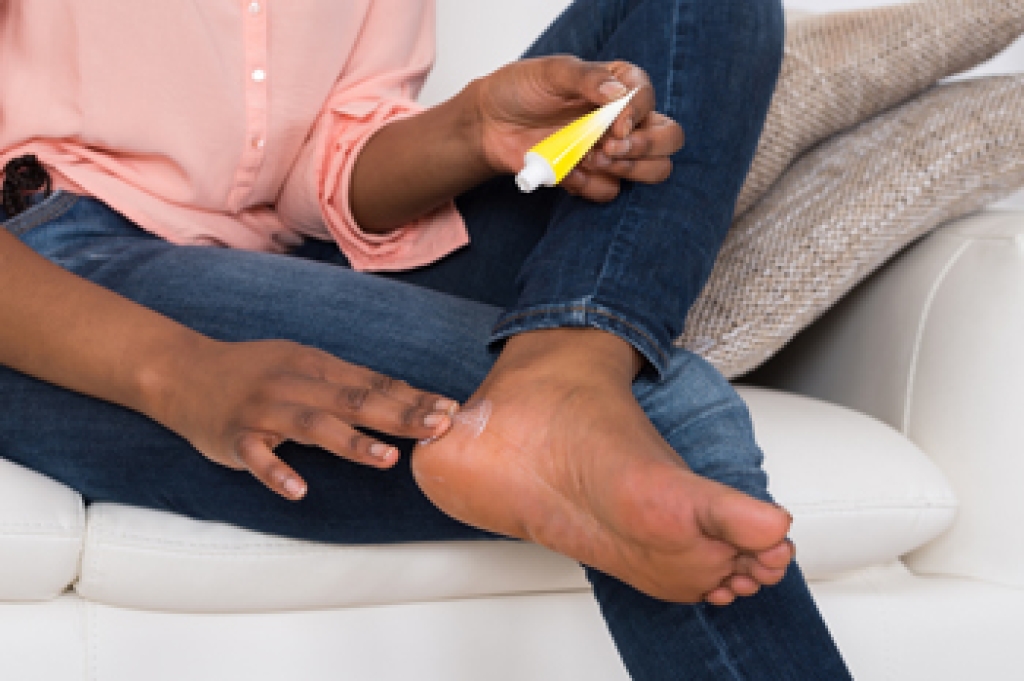
Gout is a form of inflammatory arthritis caused by a buildup of uric acid in the body, leading to crystal formation in the joints. This condition most commonly affects the big toe, but can also affect other parts of the feet and ankles. Gout often begins suddenly with intense pain, redness, warmth, and swelling. The joint may appear shiny and feel extremely tender, making even light pressure from bedding uncomfortable. Flare-ups can come on quickly, often at night, and may limit walking or standing. Contributing factors include diet, dehydration, certain medications, and underlying health conditions that affect how uric acid is processed. A podiatrist can recognize the signs of gout and may coordinate care to confirm the diagnosis. Treatment typically focuses on reducing inflammation and managing pain, along with long-term strategies to lower uric acid levels. Guidance may include lifestyle adjustments and preventive care to reduce future flare-ups. If you suspect you have gout, it is suggested that you make an appointment with a podiatrist.

Gout is a foot condition that requires certain treatment and care. If you are seeking treatment, contact Gary Saphire, DPM from Parkway Podiatry. Our doctor will treat your foot and ankle needs.

What Is Gout?

Gout is a type of arthritis caused by a buildup of uric acid in the bloodstream. It often develops in the foot, especially the big toe area, although it can manifest in other parts of the body as well. Gout can make walking and standing very painful and is especially common in diabetics and the obese.

People typically get gout because of a poor diet. Genetic predisposition is also a factor. The children of parents who have had gout frequently have a chance of developing it themselves.

Gout can easily be identified by redness and inflammation of the big toe and the surrounding areas of the foot. Other symptoms include extreme fatigue, joint pain, and running high fevers. Sometimes corticosteroid drugs can be prescribed to treat gout, but the best way to combat this disease is to get more exercise and eat a better diet.

If you have any questions, please feel free to contact our office located in Brooklyn, NY . We offer the newest diagnostic and treatment technologies for all your foot care needs.
Read more about Gout

Tarsal Tunnel Syndrome Facts

Tarsal tunnel syndrome is caused by compression of the posterior tibial nerve as it passes through a narrow space inside the ankle. This pressure can lead to tingling, burning, numbness, or shooting pain in the foot and ankle. Common causes include flat feet, swelling, injury, or underlying conditions that place stress on the nerve. Risk factors include repetitive activity, improper footwear, and prolonged standing. A podiatrist can perform a thorough evaluation, identify the source of nerve compression, and develop a personalized treatment plan. Options include orthotics, footwear guidance, or targeted therapies. Early diagnosis can prevent worsening symptoms and improve mobility. If you have any of the above symptoms, it is suggested that you consult a podiatrist who can accurately diagnose and treat what may be going on.

Tarsal tunnel syndrome can be very uncomfortable to live with. If you are experiencing tarsal tunnel syndrome, contact Gary Saphire, DPM of Parkway Podiatry. Our doctor can provide the care you need to keep you pain-free and on your feet.

Tarsal Tunnel Syndrome

Tarsal tunnel syndrome, which can also be called tibial nerve dysfunction, is an uncommon condition of misfiring peripheral nerves in the foot. The tibial nerve is the peripheral nerve in the leg responsible for sensation and movement of the foot and calf muscles. In tarsal tunnel syndrome, the tibial nerve is damaged, causing problems with movement and feeling in the foot of the affected leg.

Common Cause of Tarsal Tunnel Syndrome

  • Involves pressure or an injury, direct pressure on the tibial nerve for an extended period of time, sometimes caused by other body structures close by or near the knee.
  • Diseases that damage nerves, including diabetes, may cause tarsal tunnel syndrome.
  • At times, tarsal tunnel syndrome can appear without an obvious cause in some cases.

The Effects of Tarsal Tunnel Syndrome

  • Different sensations, an afflicted person may experience pain, tingling, burning or other unusual sensations in the foot of the affected leg.
  • The foot muscles, toes and ankle become weaker, and curling your toes or flexing your foot can become difficult.
  • If condition worsens, infections and ulcers may develop on the foot that is experiencing the syndrome.

A physical exam of the leg can help identify the presence of tarsal tunnel syndrome. Medical tests, such as a nerve biopsy, are also used to diagnose the condition. Patients may receive physical therapy and prescriptive medication. In extreme cases, some may require surgery.

If you have any questions please contact our office located in Brooklyn, NY . We offer the newest diagnostic and treatment technologies for all your foot and ankle needs.

Read more about Tarsal Tunnel Syndrome
scroll to top